

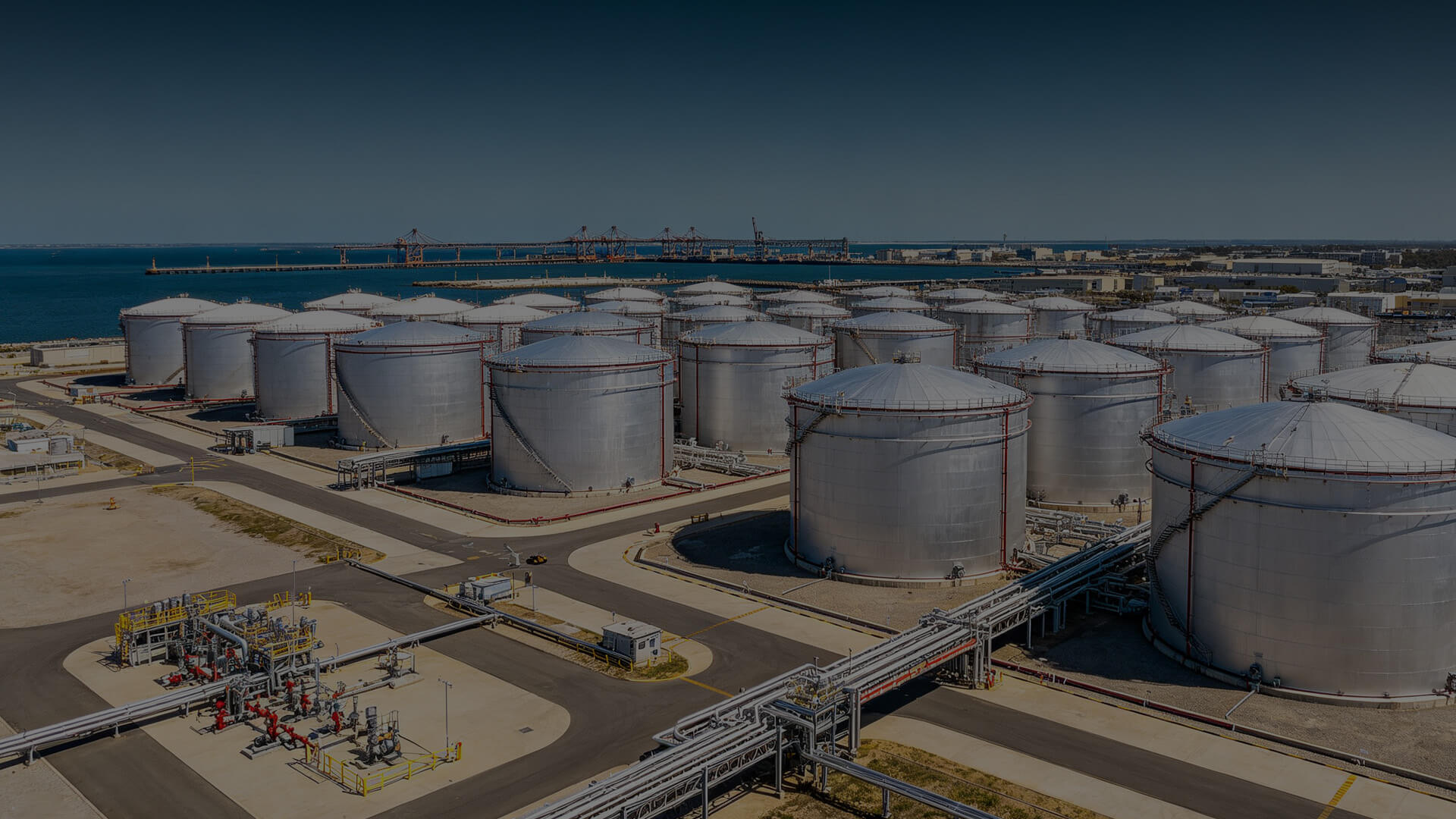
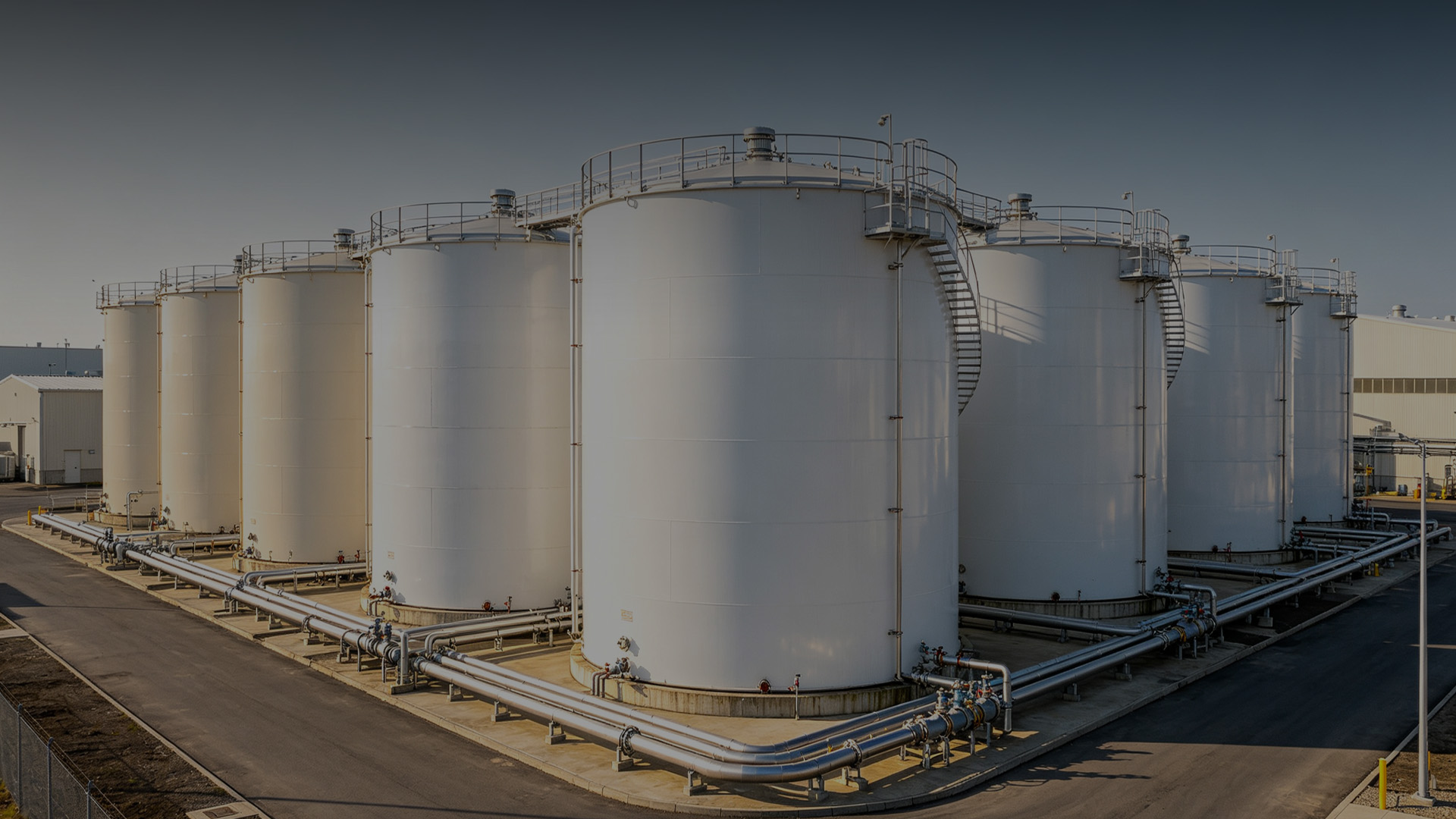
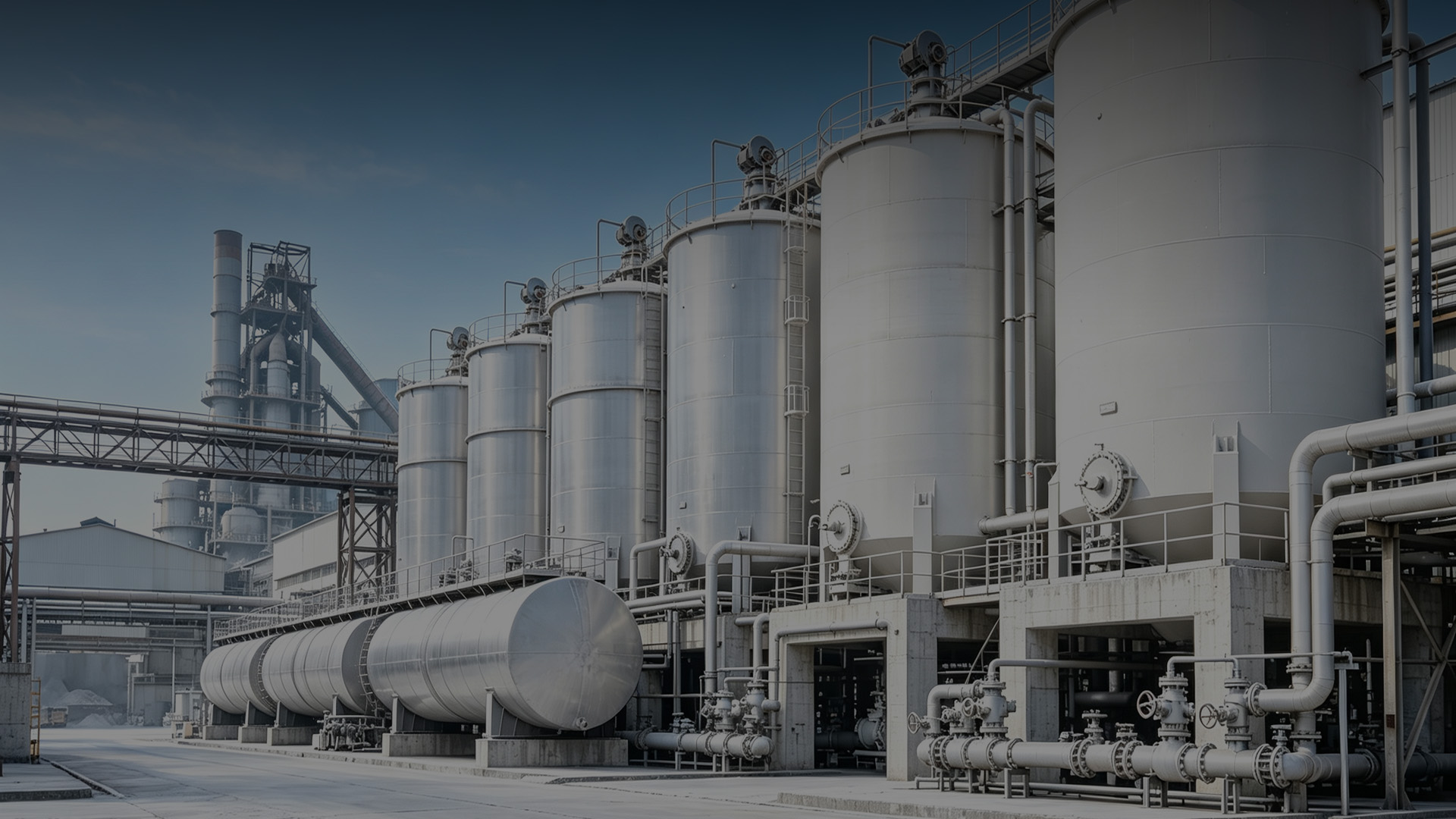
Three industry cleaning misconceptions · Hidden loss calculation
Low-cost jet equipment solves tank-bottom sediment losses
Misconception 1: Manual Tank Cleaning Is Cheap
Only the single cleaning fee is counted, ignoring hazardous waste disposal, shutdown losses, oil discount and personnel safety rectification costs. Hidden losses over a cycle can reach hundreds of thousands to millions.
→ Calculate your hidden tank losses for freeMisconception 2: Thin Sediment Loss Is Negligible
The thin bottom layer has extremely high oil content, accumulating year after year and permanently occupying rated tank volume. Effective storage keeps shrinking, and the inability to stock up in peak season directly reduces revenue.
→ Calculate your hidden tank losses for freeMisconception 3: Tank-Bottom Loss Has Little Economic Value
Sediment keeps accumulating and never disappears; every extra year of storage adds another year of loss, compounding over the long term. A one-time investment of tens of thousands in equipment recovers tank-bottom losses continuously for 20 years, eliminating frequent cleaning.
→ Calculate your hidden tank losses for freeCustom homogenization solutions for three industries
Dedicated loss-reduction solutions for petrochemical, vegetable oil and alumina
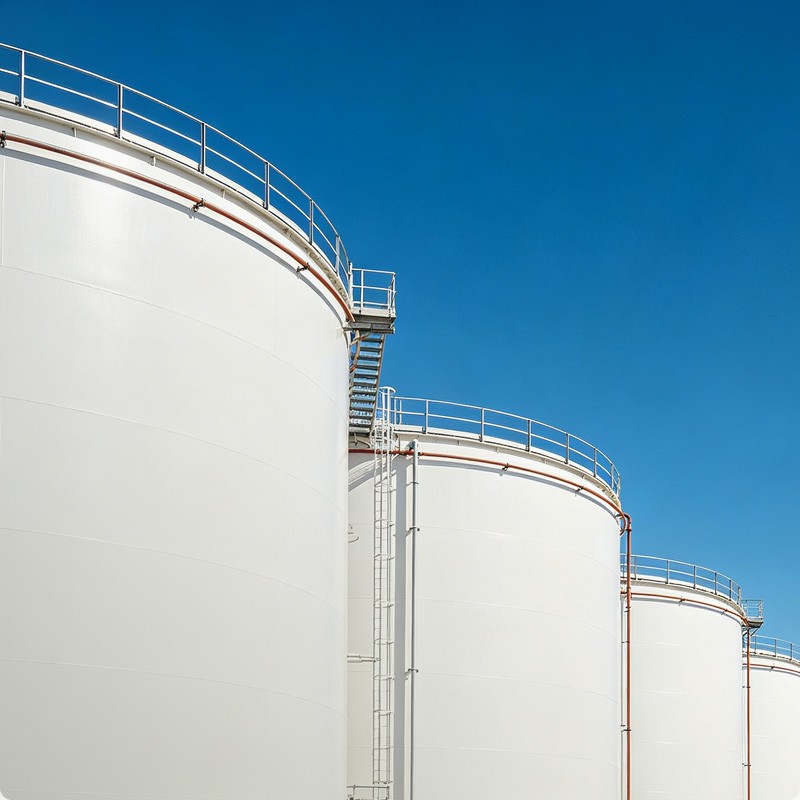
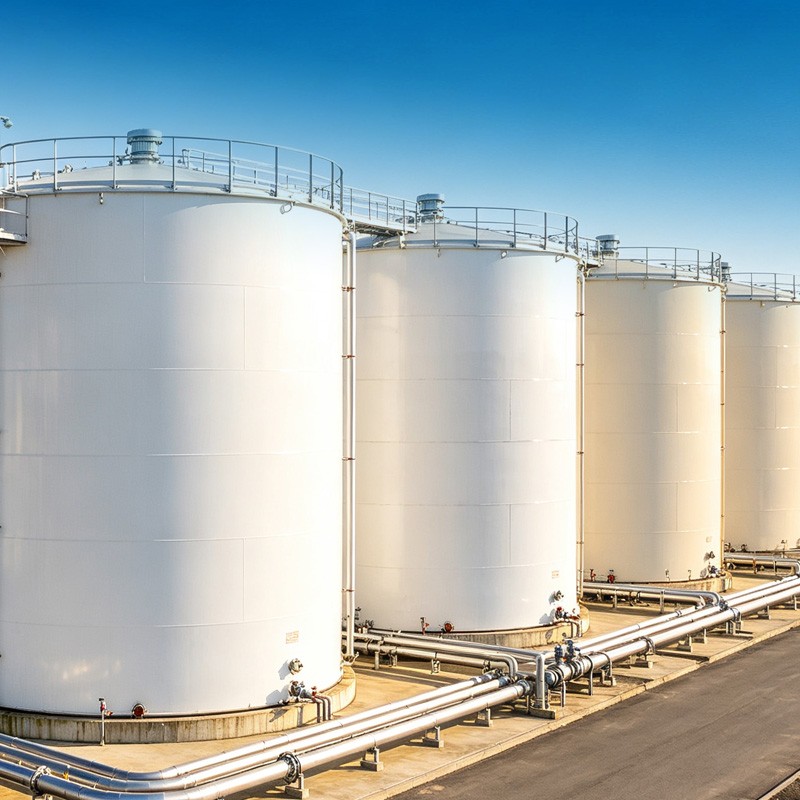
PetrochemicalSolutions
Industry pain points
Crude oil sludge accumulates at the tank bottom; each cleaning produces large amounts of hazardous waste with rising disposal costs.
Refined products stratify and require frequent tank-switching and blending; circulation pumps consume high energy and evaporation losses are large.
Shutdown cleaning takes weeks, disrupting production schedules and reducing storage utilization.
Traditional side-entry agitators perform poorly and pose risks of wall leakage and explosion.
Sludge accumulates year after year, permanently occupying rated tank volume and effectively reducing storage capacity.
Vegetable OilSolutions
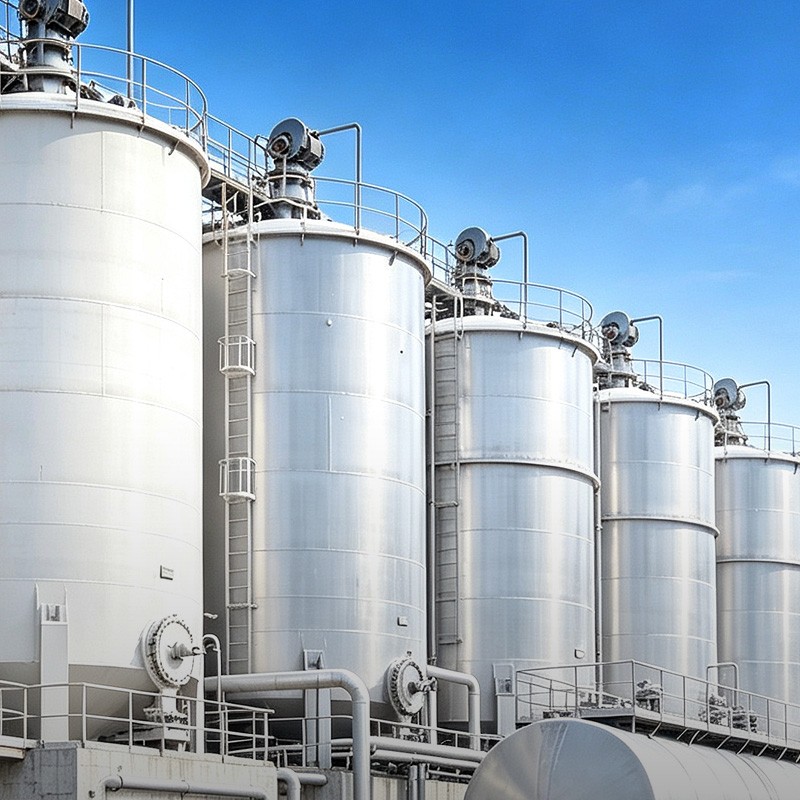
Industry pain points
Sediment accumulates at the bottom of crude oil tanks; post-cleaning waste residue is sold at a discount and large amounts of quality oil are wasted.
Manual in-tank cleaning is labor-intensive and poses oxygen-deficiency safety risks in sealed tanks.
Frequent tank shutdowns disrupt oil processing and storage turnover.
Traditional agitators for small grain & oil tanks are costly with poor cost-effectiveness.
AluminaSolutions
Industry pain points
Alumina slurry scale is extremely hard; manual in-tank cleaning poses multiple safety hazards such as working at height, oxygen deficiency and slurry burns.
Each cleaning shutdown lasts over 15 days, causing huge production losses across the line.
Traditional fixed spray nozzles provide incomplete coverage and fail to remove scale thoroughly.
Core Products
Low-cost jet equipment solves tank-bottom sediment losses

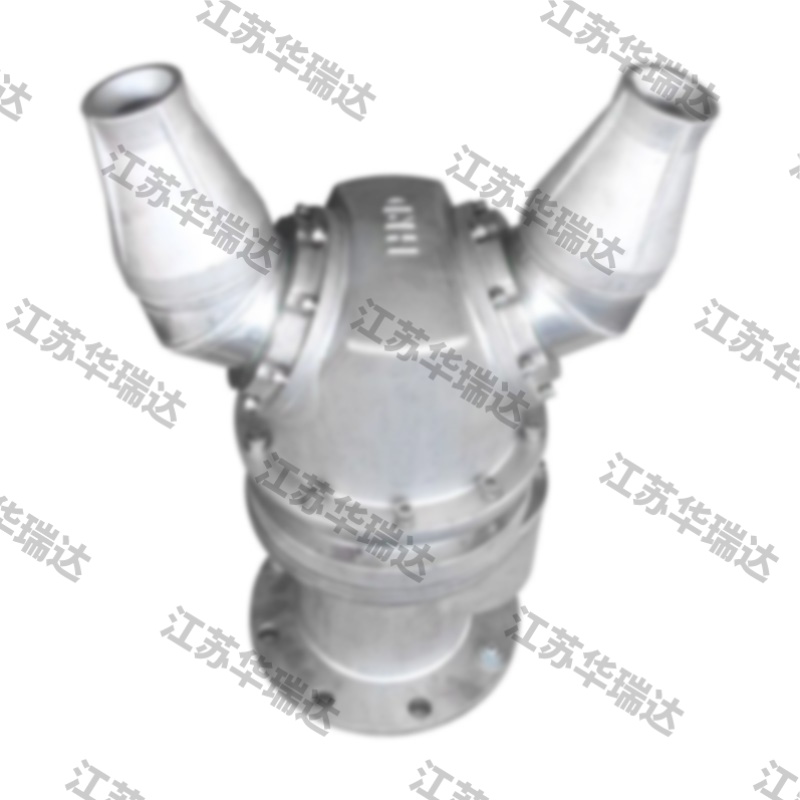
Multi-Dimensional Jet Mixer
Applicable media: crude oil, fuel oil, gasoline, diesel, jet fuel, lubricating oil, etc.The multi-dimensional rotary jet blender has no power or electric drive of its own; it is driven by the tank-farm circulation pump and installed at the tank center, connect···
→ View more
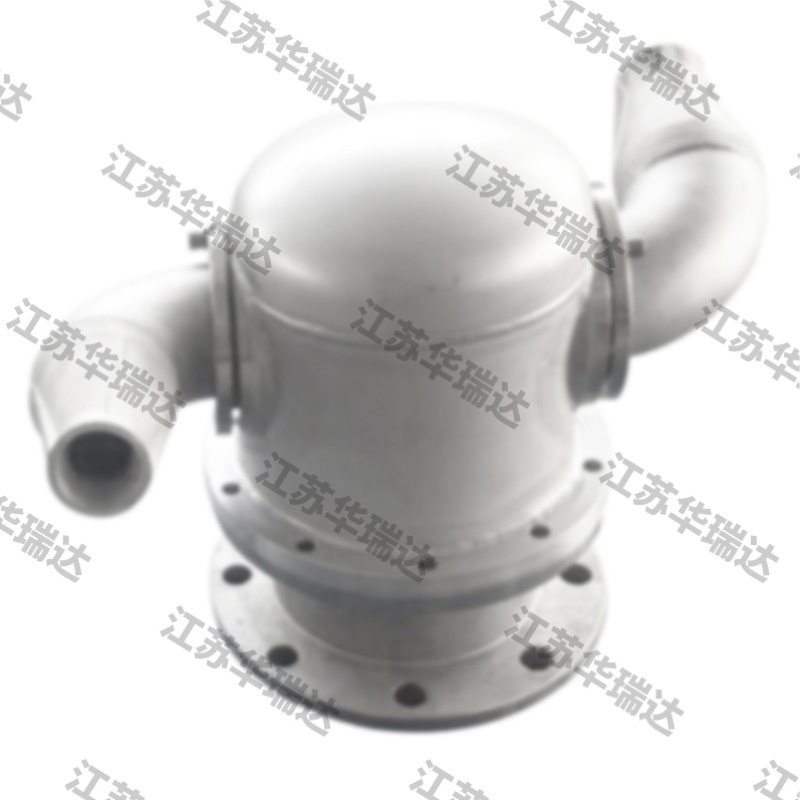
Rotary Jet Blender
Applicable media: gasoline, diesel, lubricating oil, asphalt and other chemicalsThe rotary jet blender has no power or electric drive of its own; it is driven by the tank-farm circulation pump and installed at the tank center, connected to the external circula···
→ View more
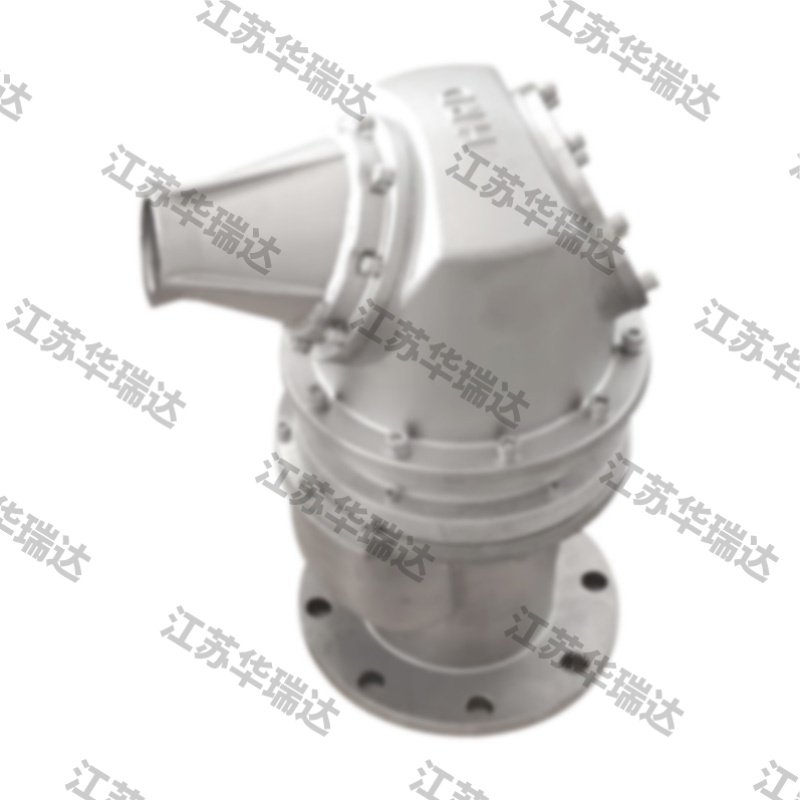
Rotary Jet Anti-Sedimentation Flusher
Applicable media: crude oil, oil sludge, chemicals, wastewater, etc.The rotary jet anti-sedimentation flusher flushes bottom sediment in crude oil, oil sludge and chemical tanks, breaking up sediment for smooth discharge, reducing shutdown cleaning with conven···
→ View more
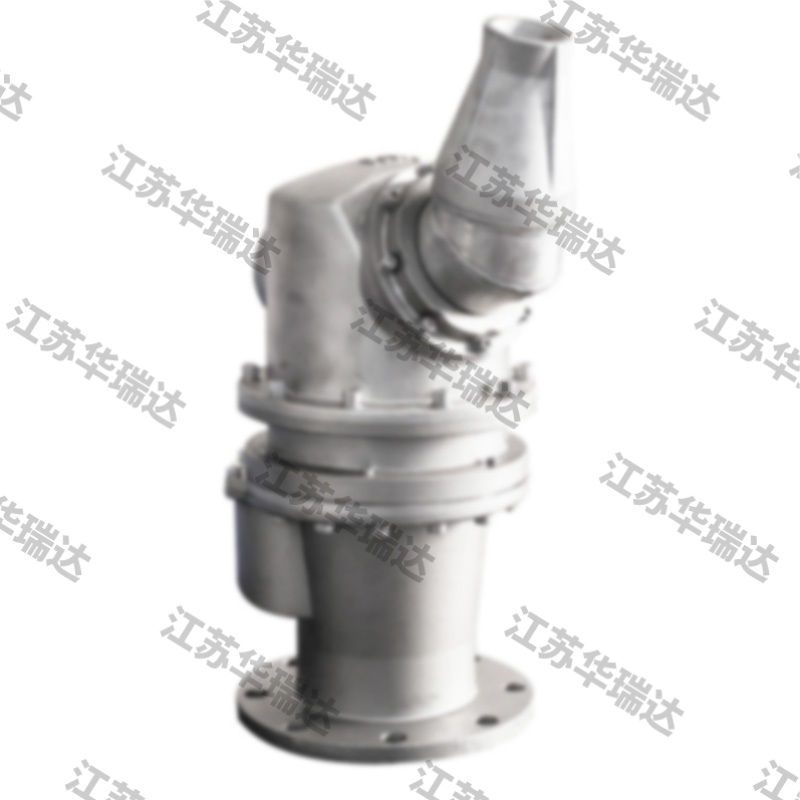
Multi-Dimensional Jet Mixer
Applicable media: crude oil, refined oil, palm oil, etc.The multi-dimensional jet mixer uses a purely fluid-driven design with no power or electric drive, powered by the tank-farm circulation pump. It is installed at the tank center and connected to the extern···
→ View more
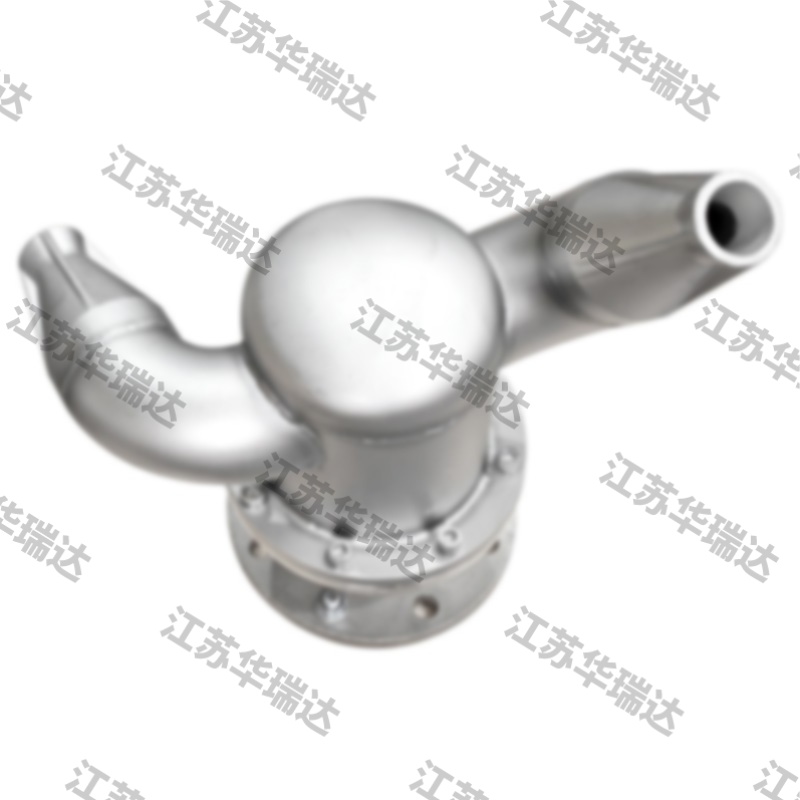
Blending Jet
Applicable media: refined oil, palm oil, soapstock, etc.The jet blender has no electric drive, fully powered by the tank-farm circulation pump, installed at the tank center and connected to the external circulation system. During operation, the circulation pum···
→ View more
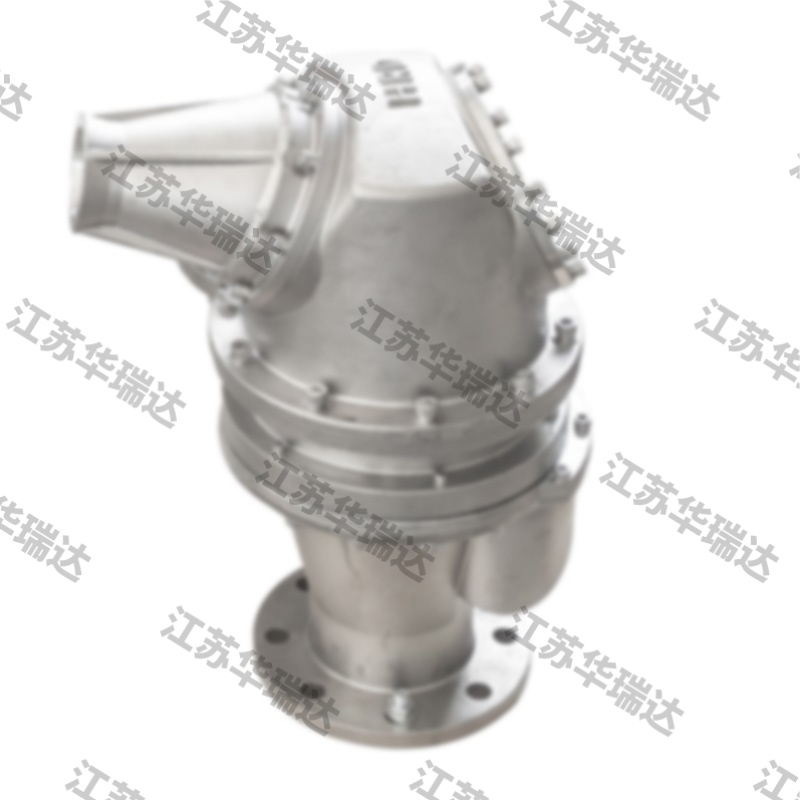
Crude Oil Jet
Applicable media: crude oilThe crude oil jet is a dedicated device for crude oil, generally installed inverted with a single nozzle at the tank bottom, powered by the tank-farm circulation pump to drive continuous nozzle rotation, forming a multi-dimensional, ···
→ View more
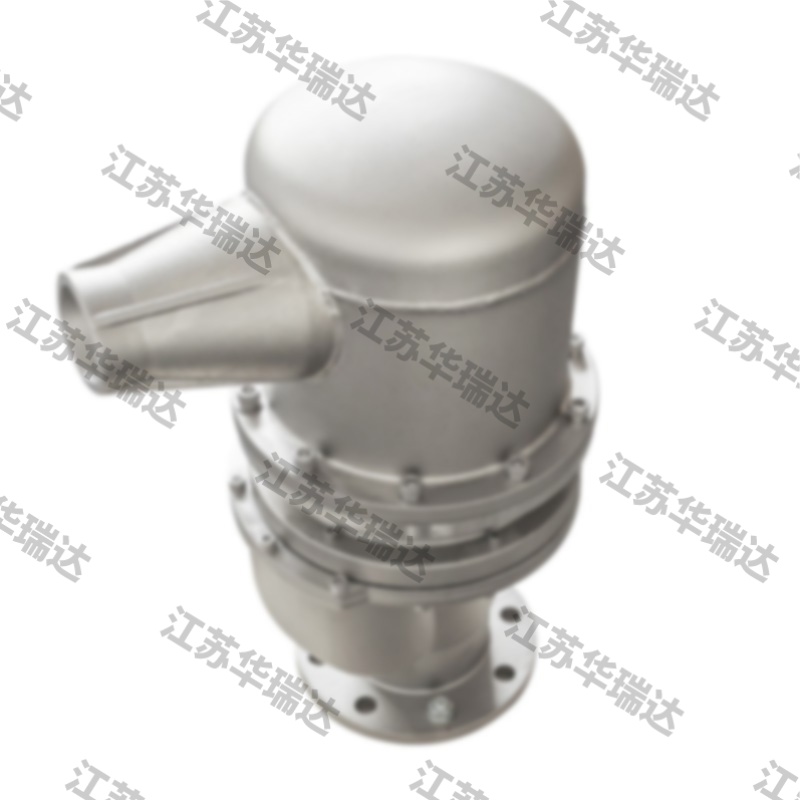
Scale Cleaner
Applicable conditions: scale cleaning of alumina settling tanks and digestion tanksDesigned for cleaning the inner walls of large sealed vessels, widely applicable to alumina settling tanks, digestion tanks, storage tank walls and oil tanker holds, efficiently···
→ View more
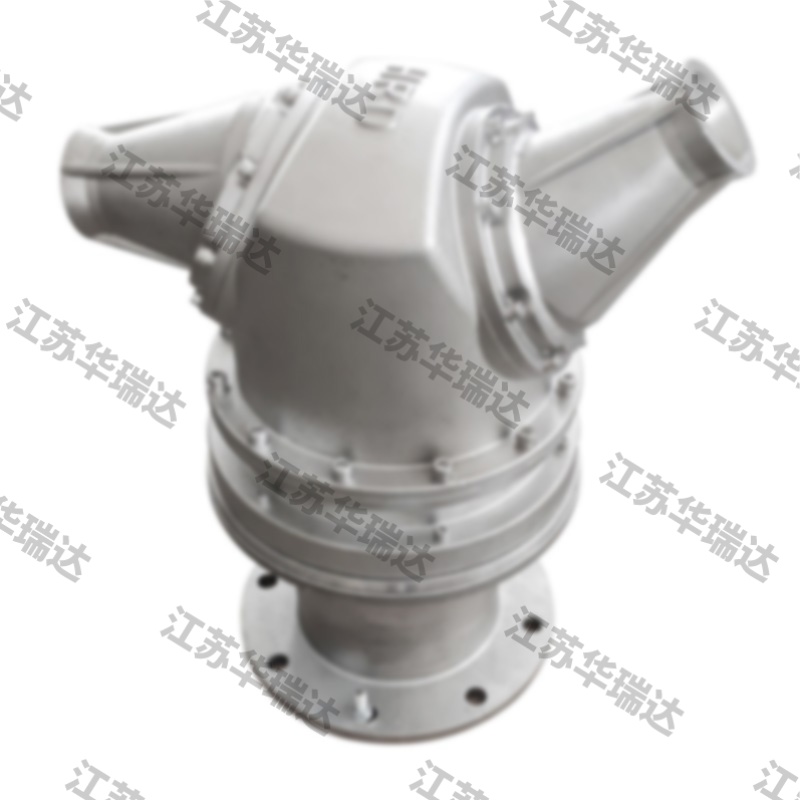
Settling Tank Scale Cleaner
Applicable conditions: scale cleaning of alumina settling tanks and digestion tanksDesigned for cleaning the inner walls of large sealed vessels, widely applicable to alumina settling tanks, digestion tanks, storage tank walls and oil tanker holds, efficiently···
→ View more
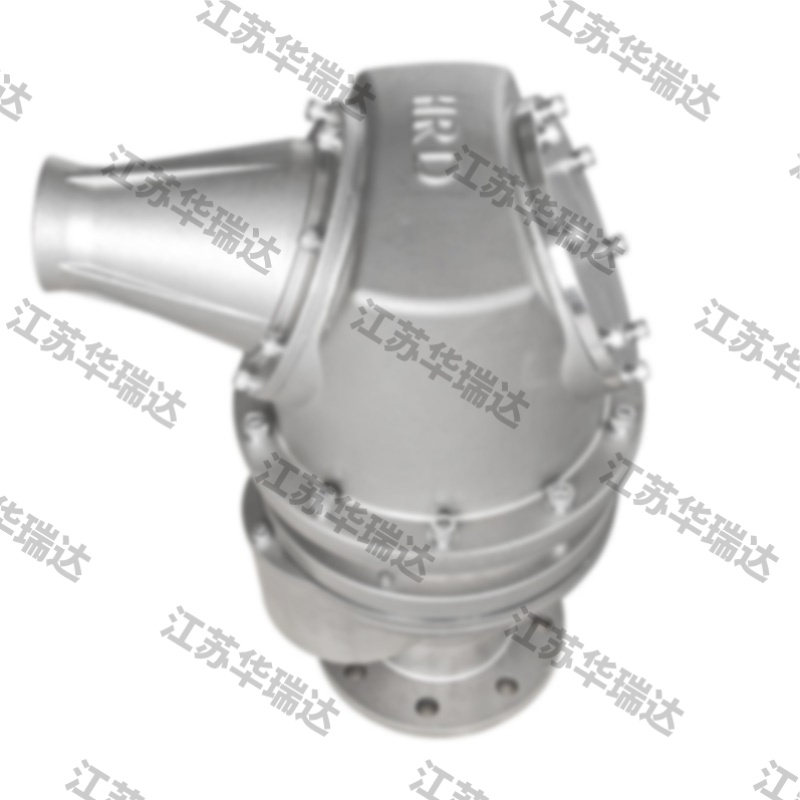
Digestion Tank Scale Cleaner
Applicable conditions: scale cleaning of alumina settling tanks and digestion tanksDesigned for cleaning the inner walls of large sealed vessels, widely applicable to alumina settling tanks, digestion tanks, storage tank walls and oil tanker holds, efficiently···
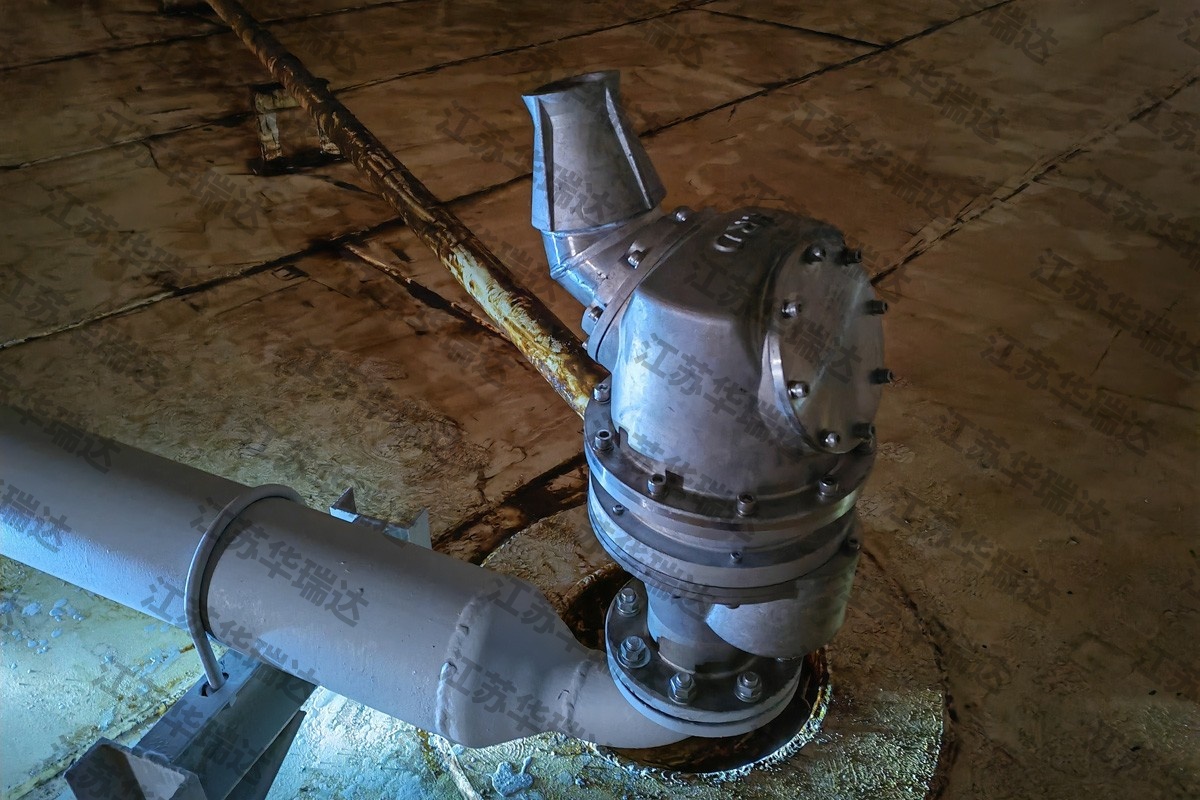
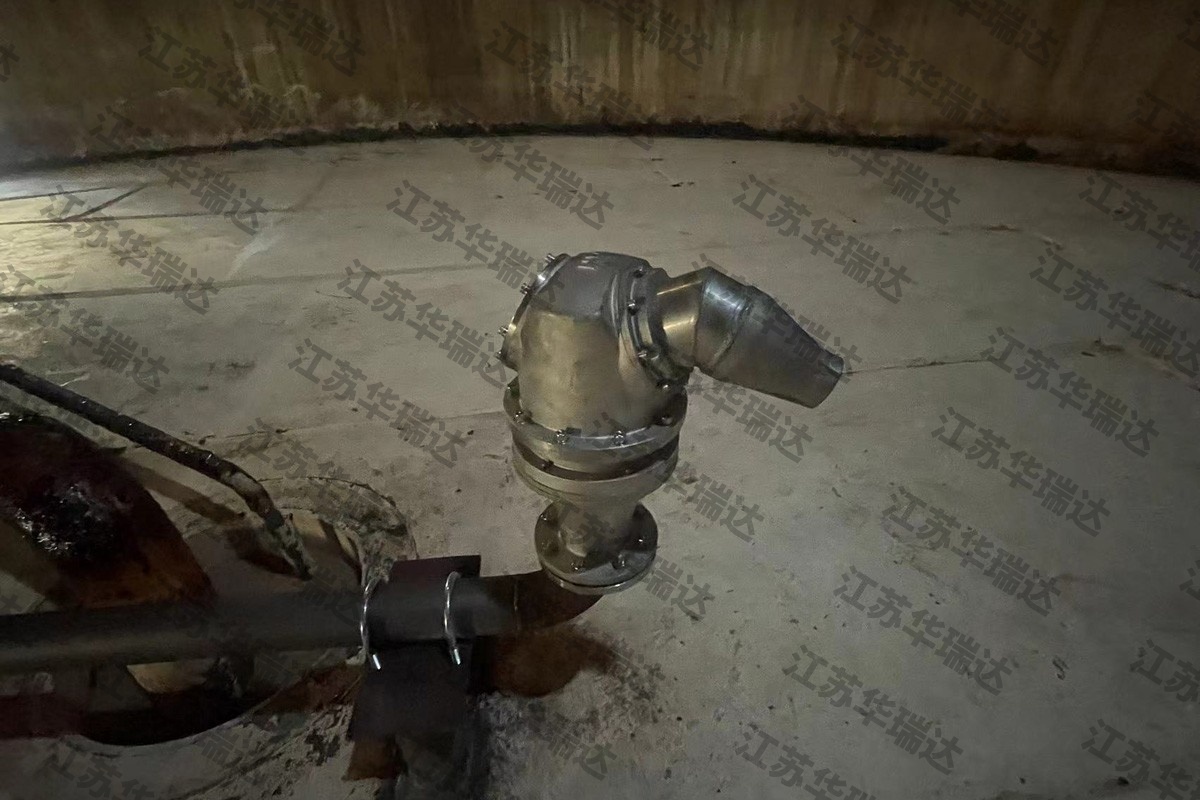
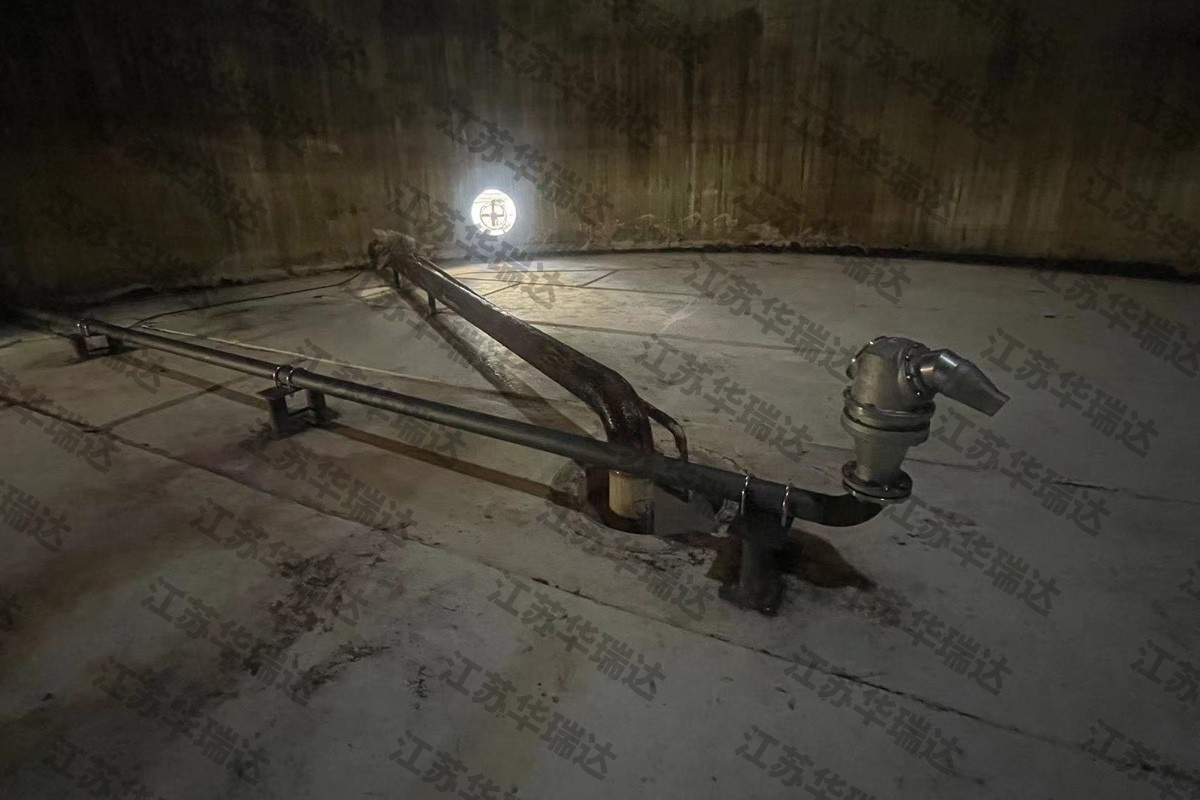
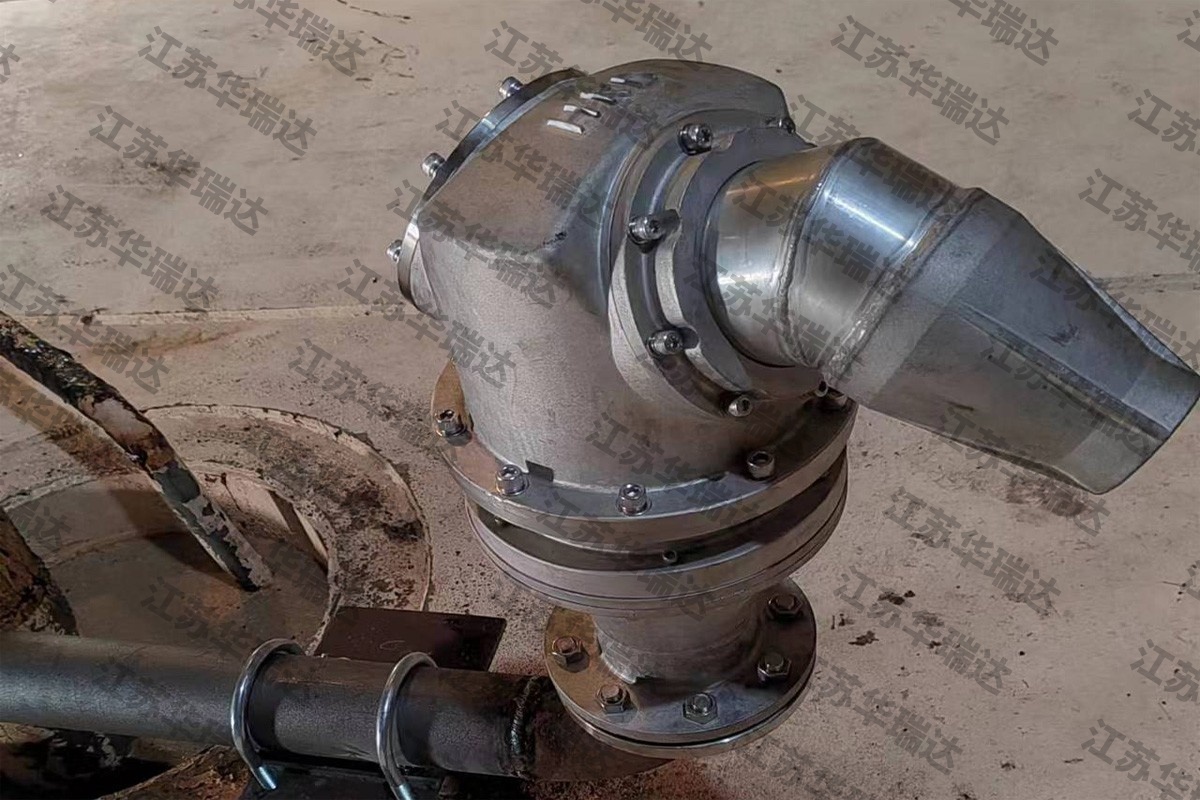
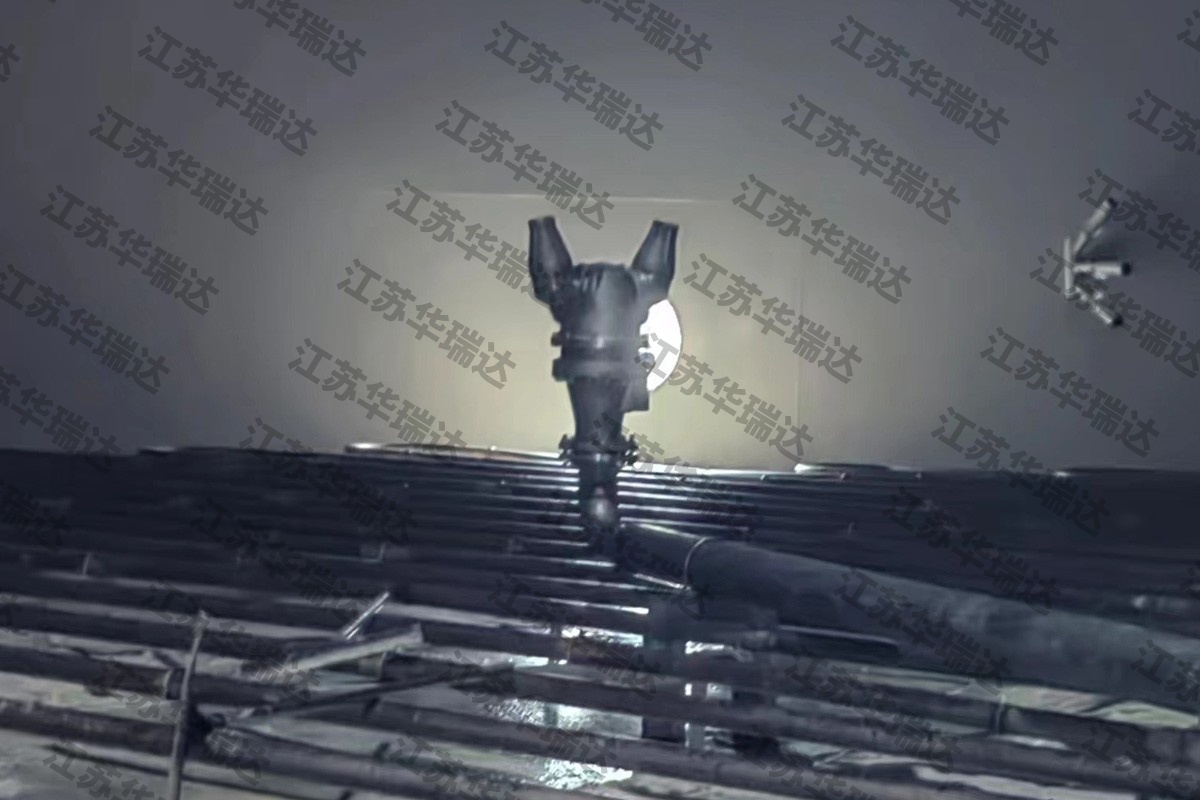
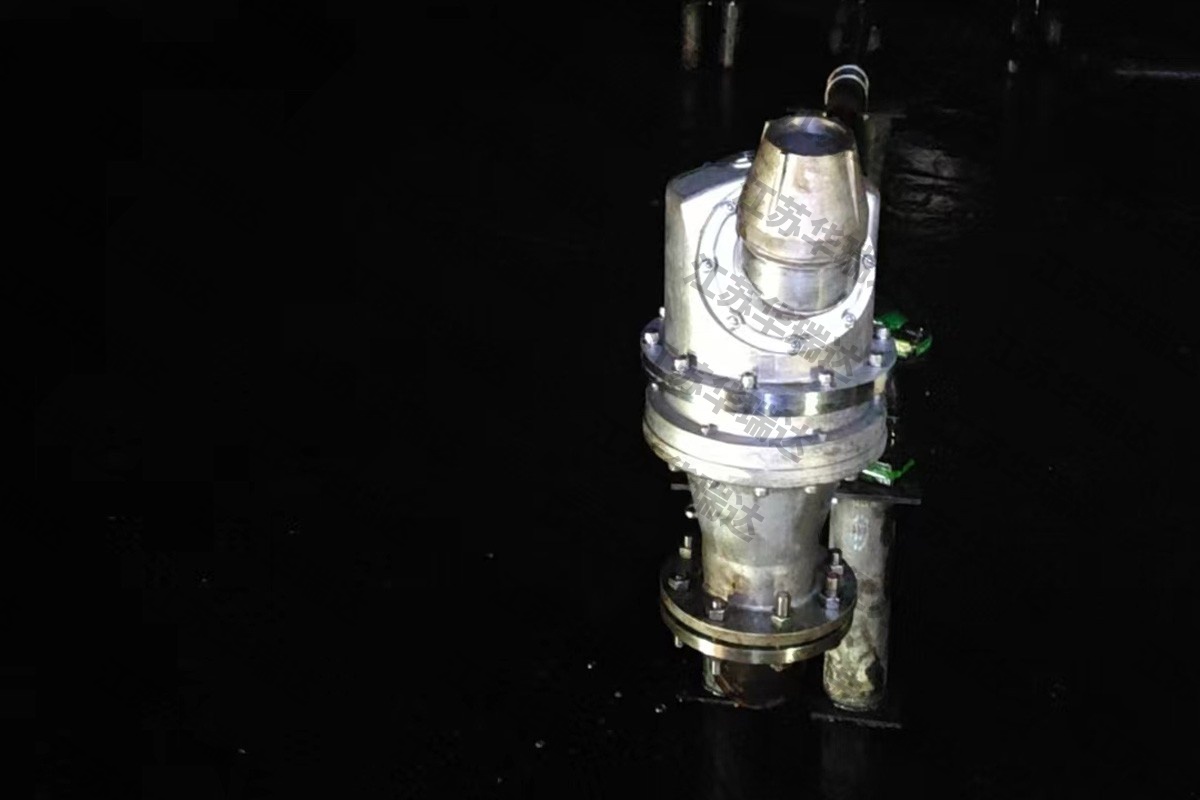
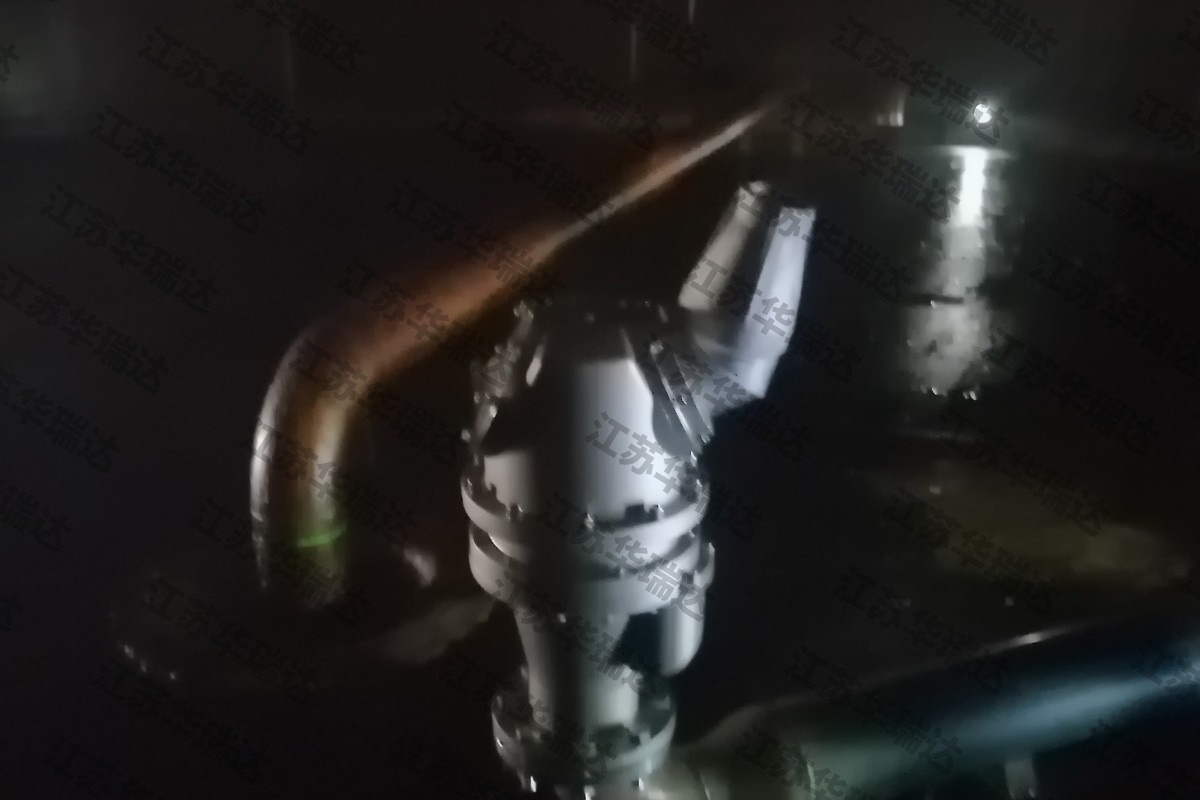
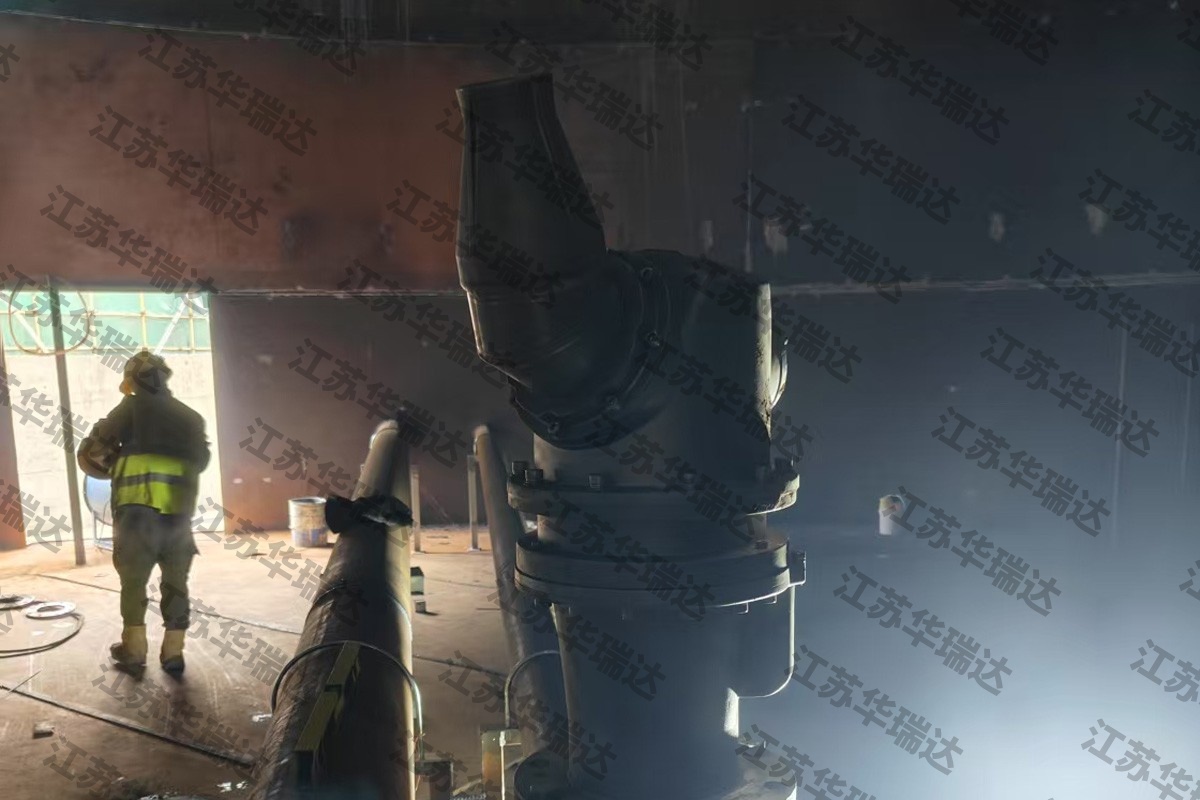
→ View moreTypical On-Site Cases
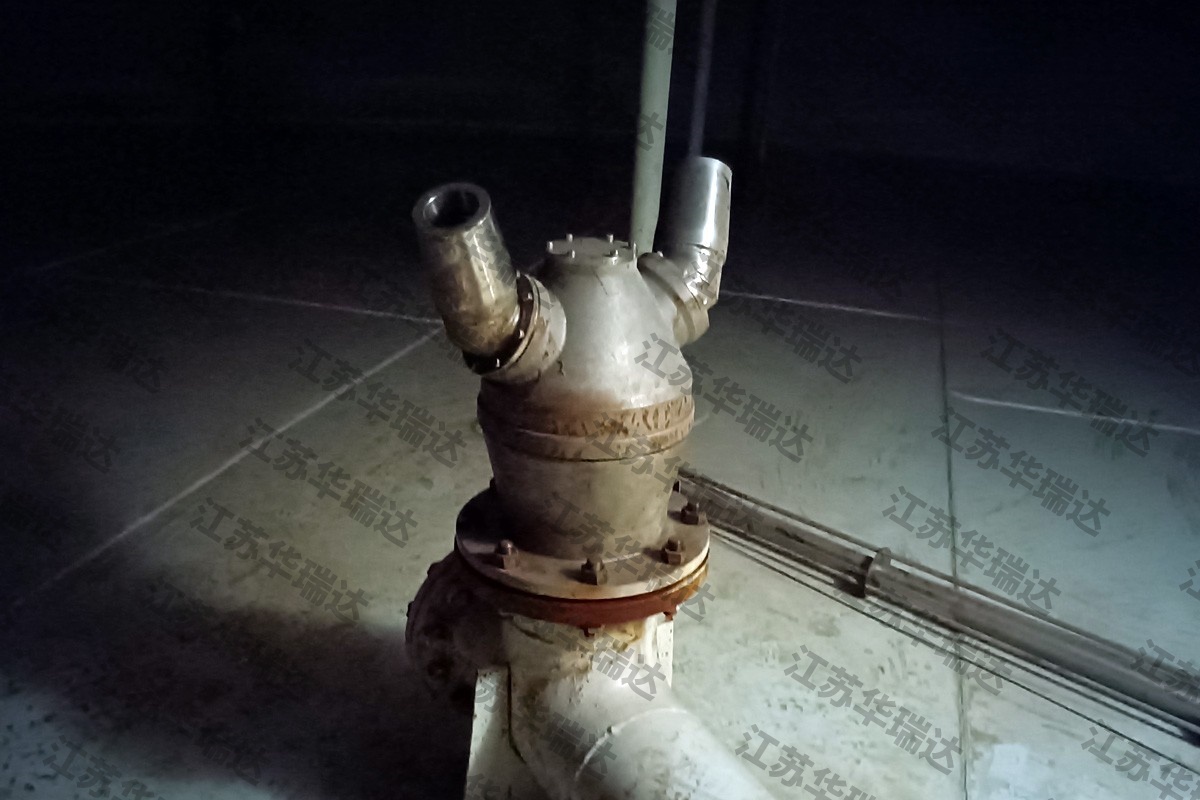
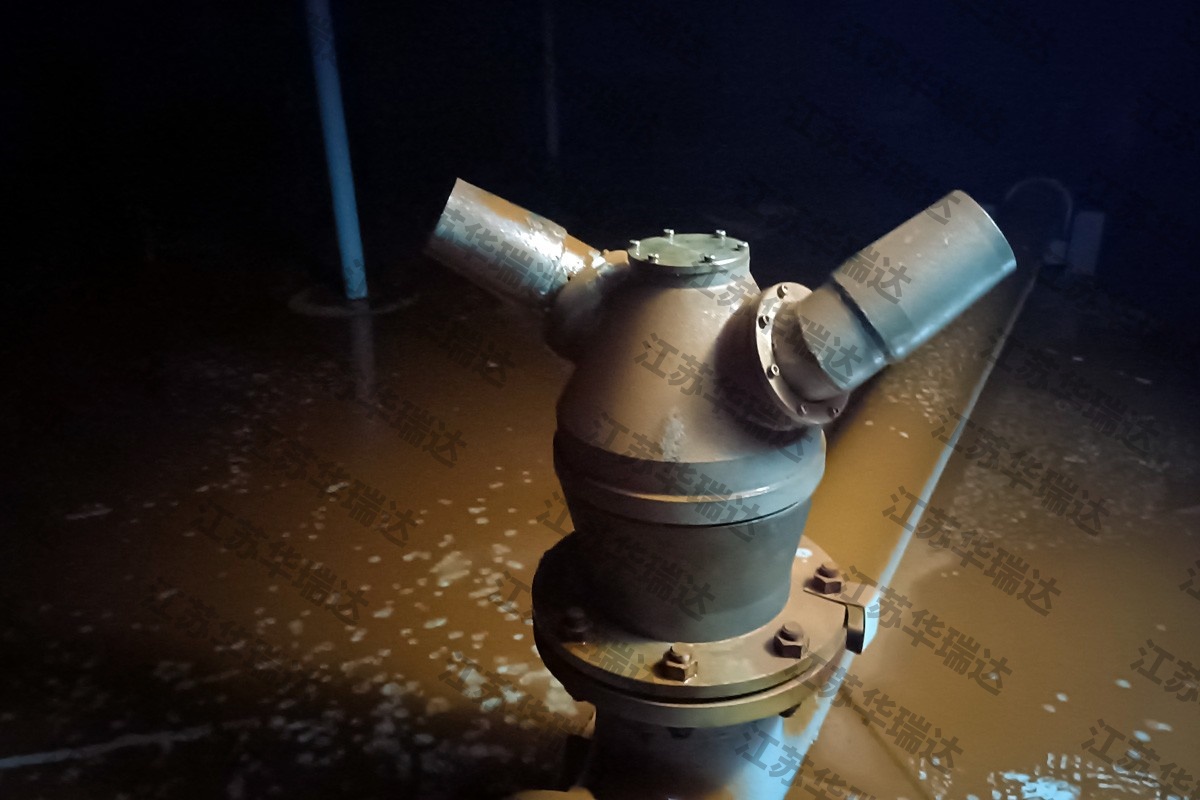
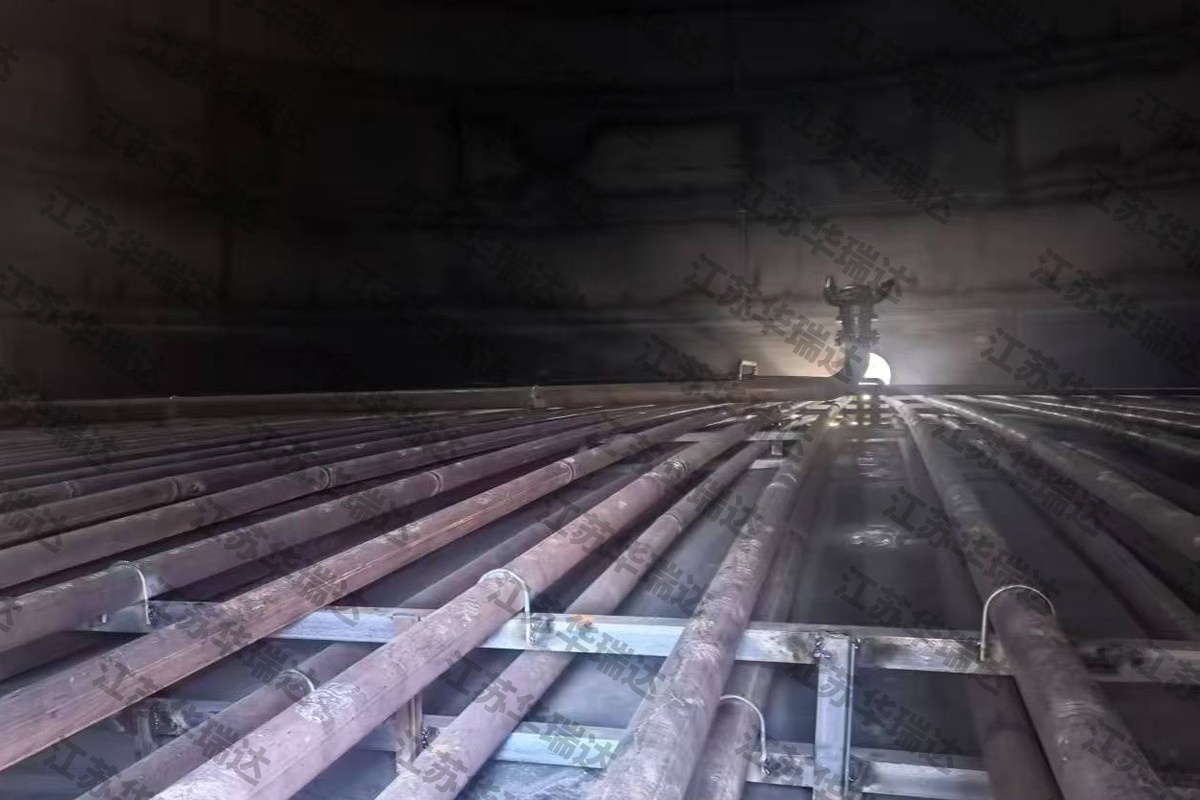
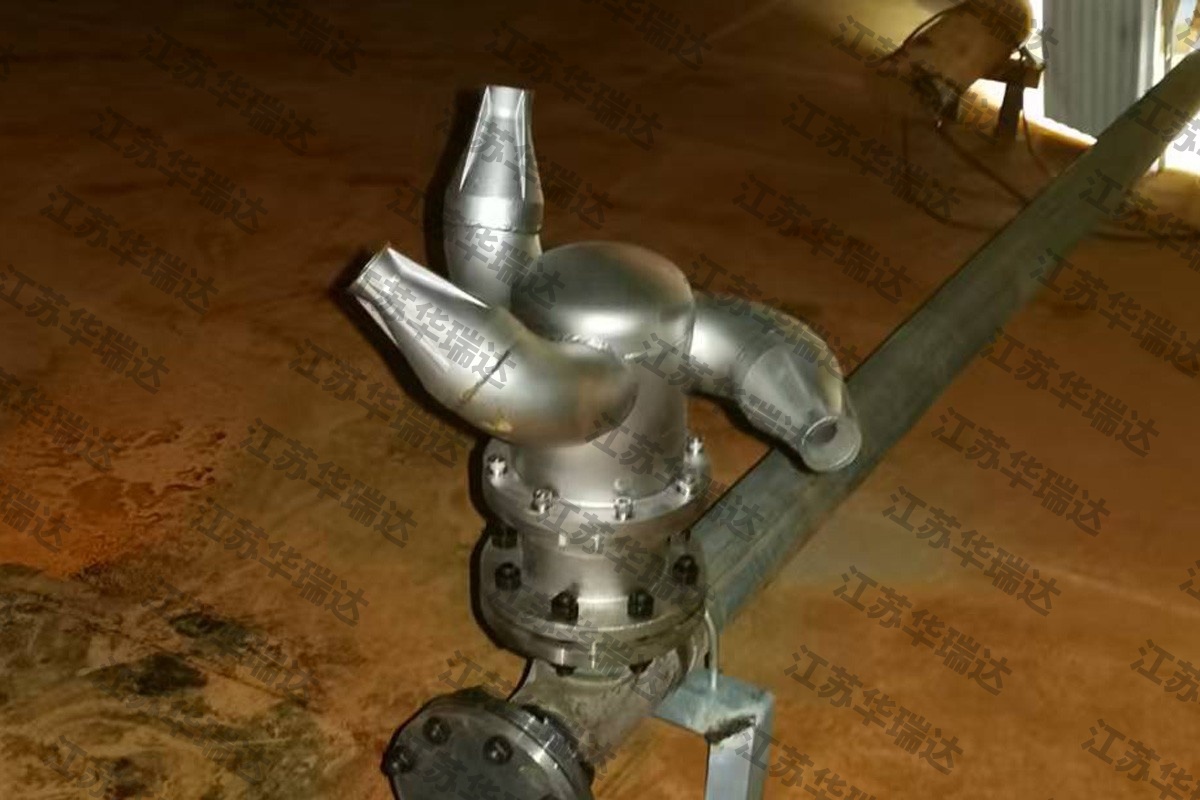
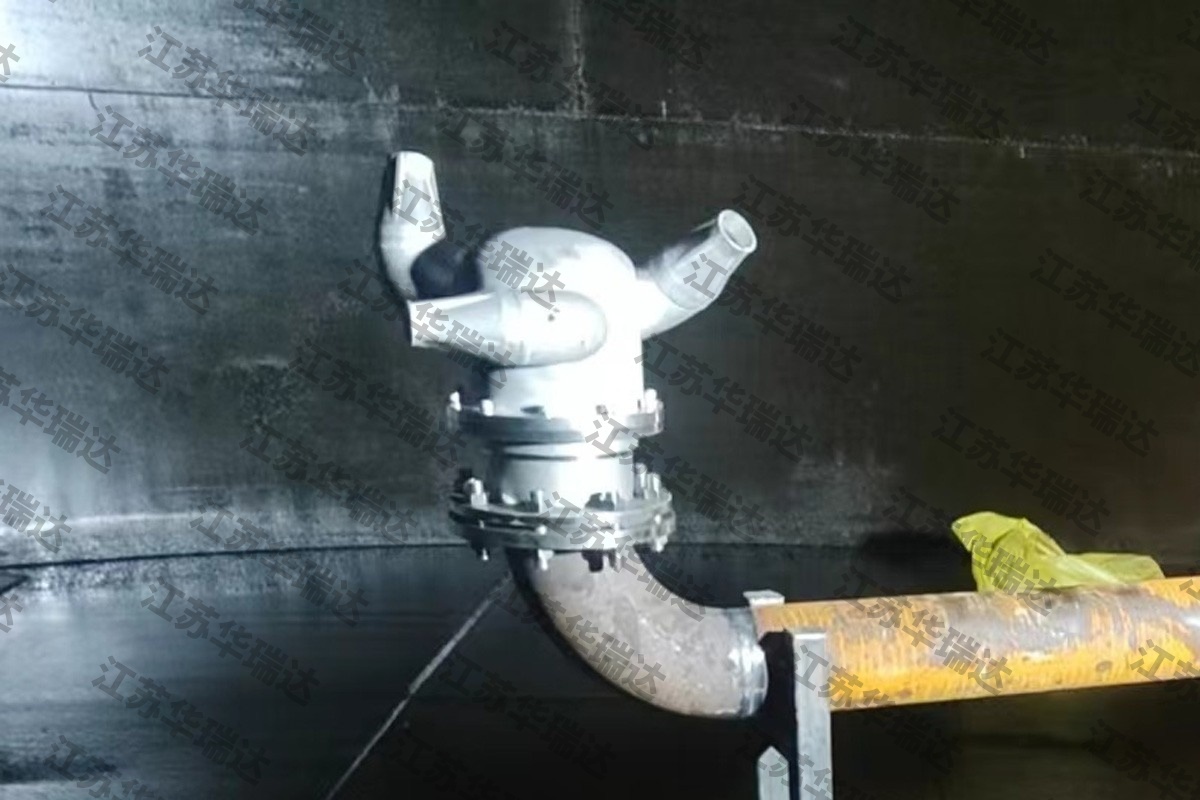
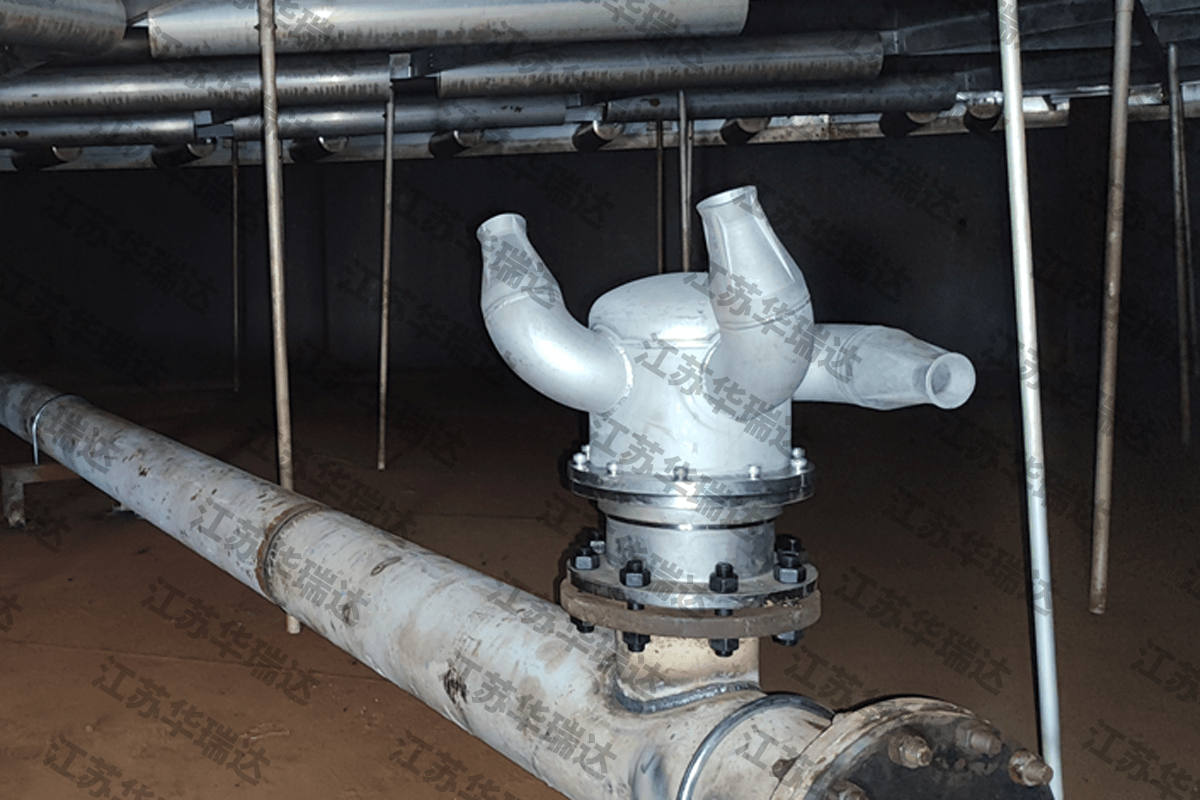
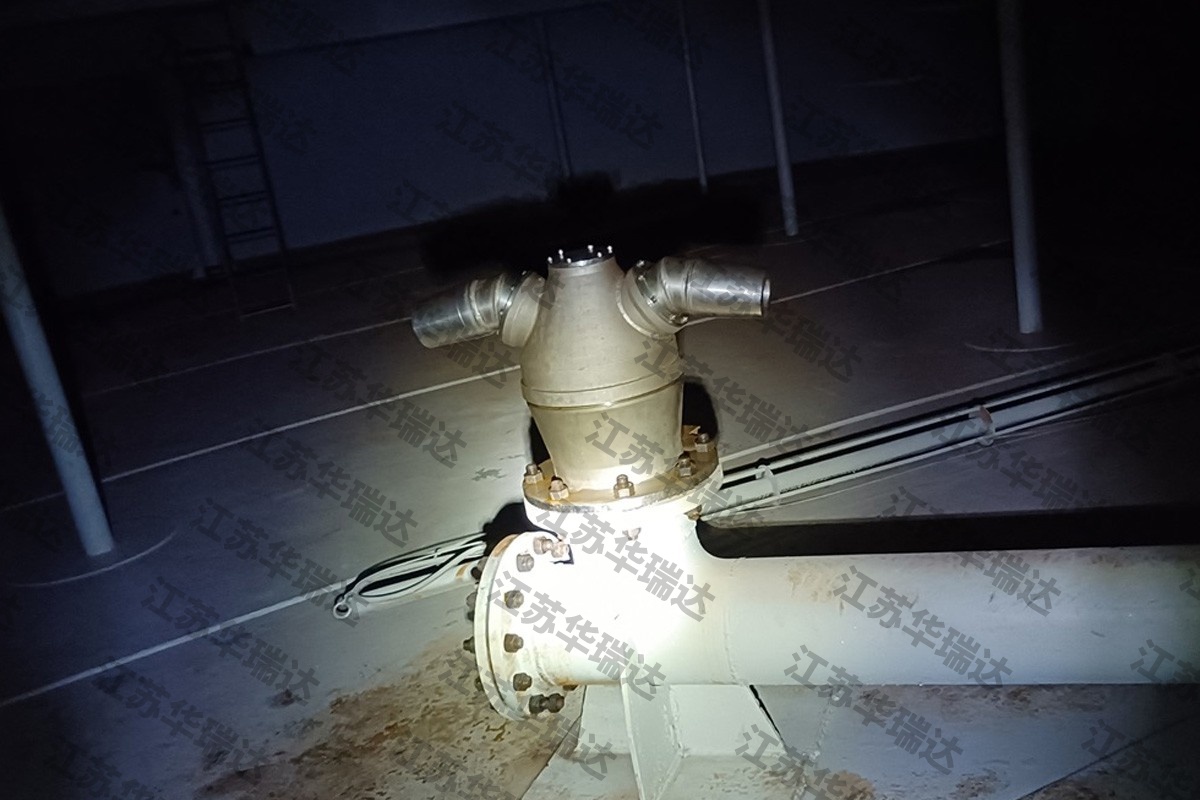
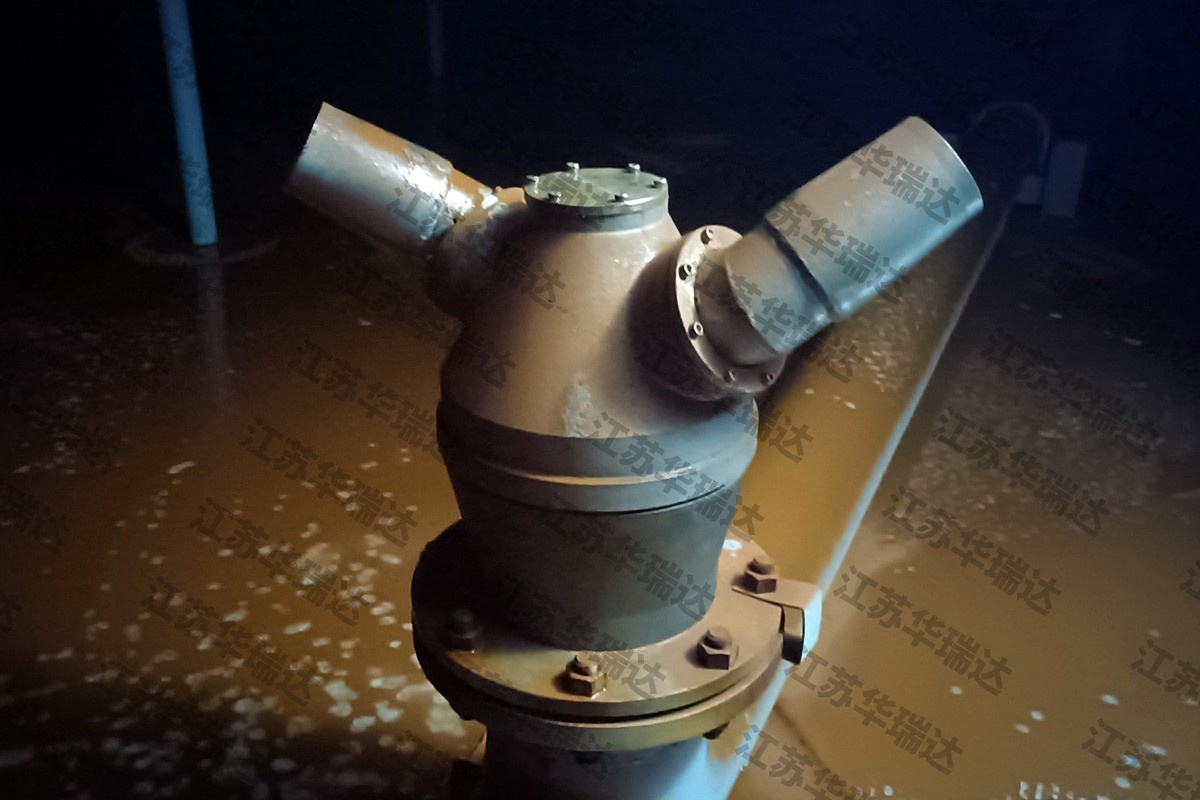
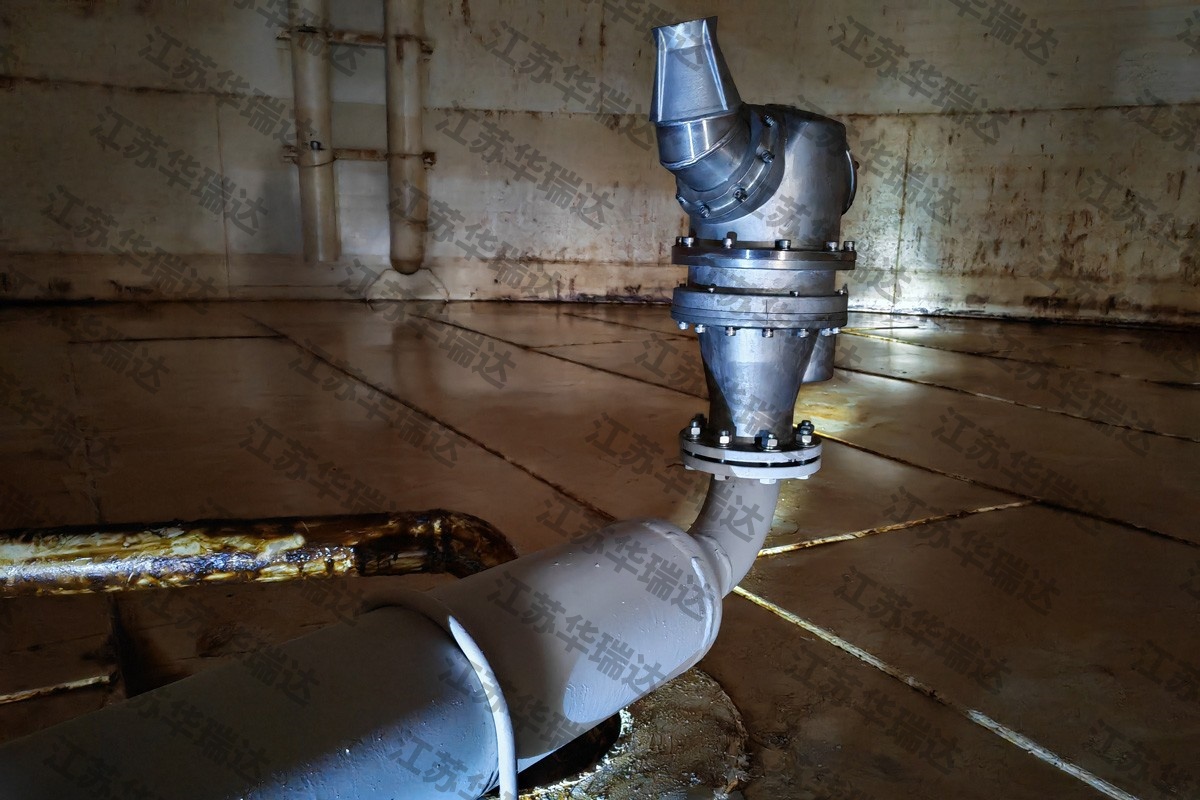
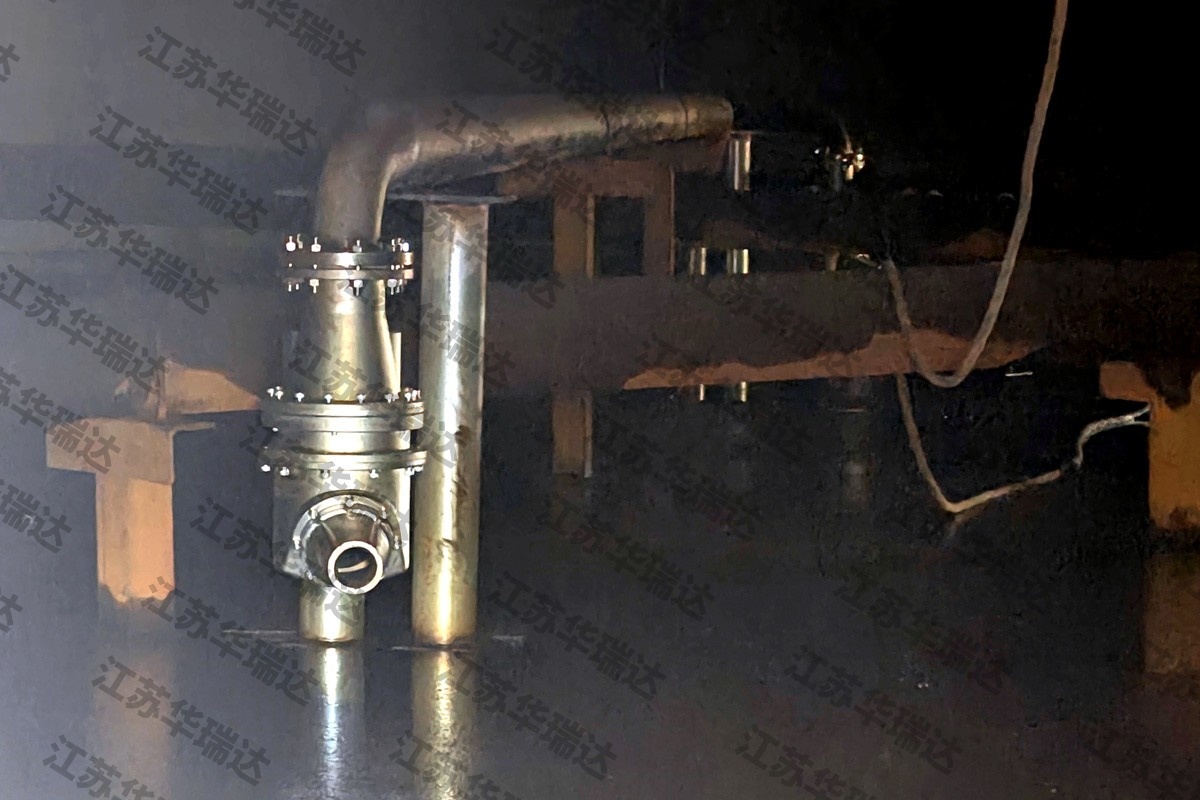
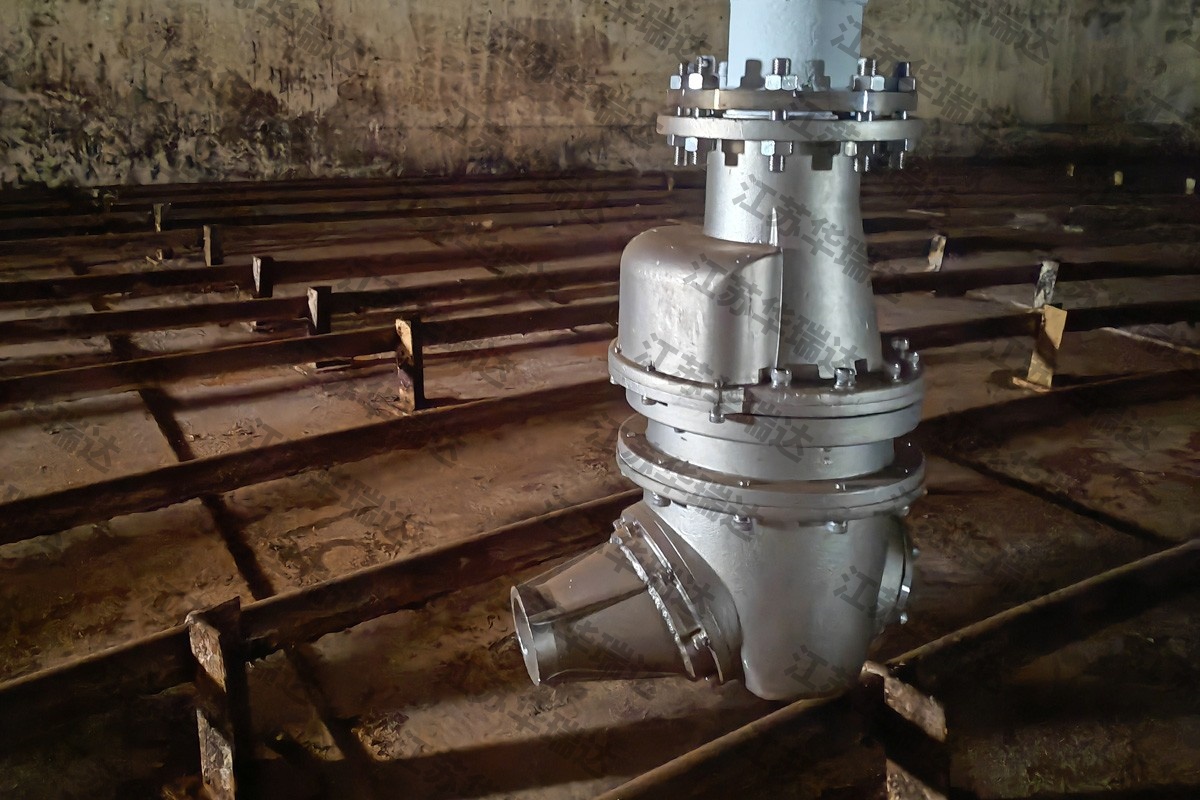
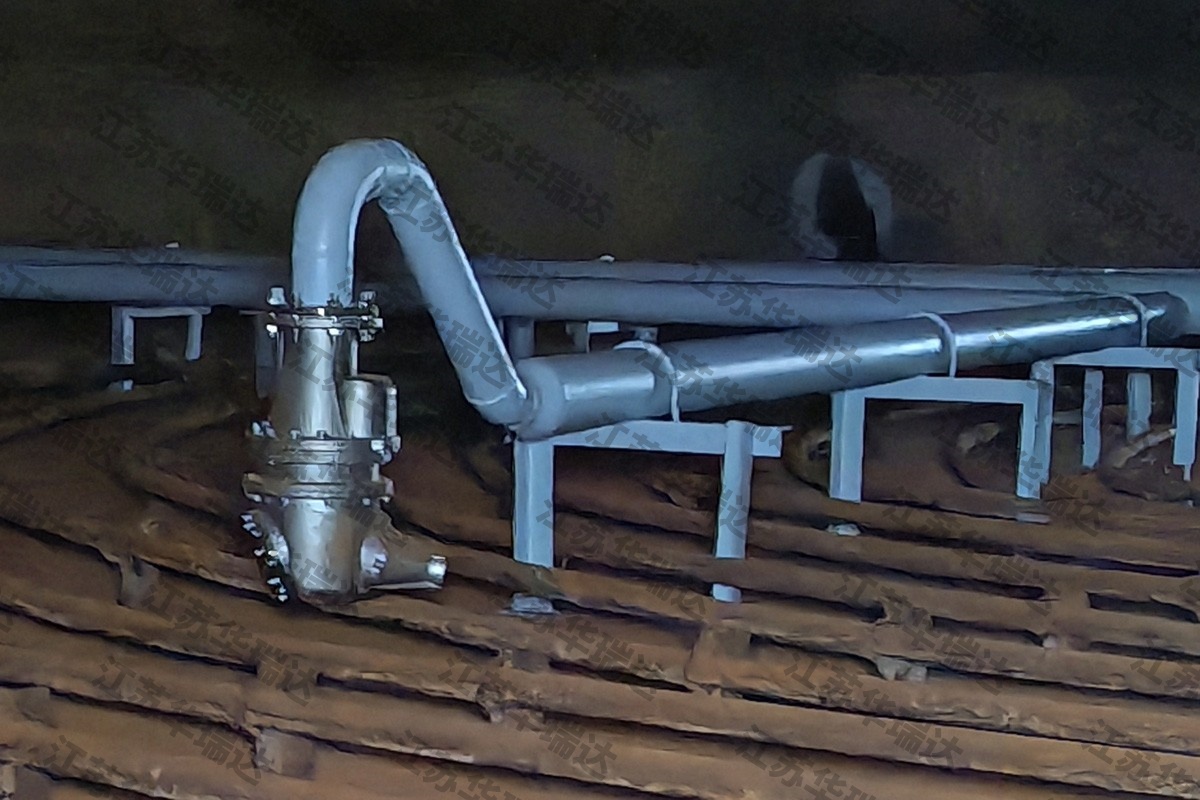
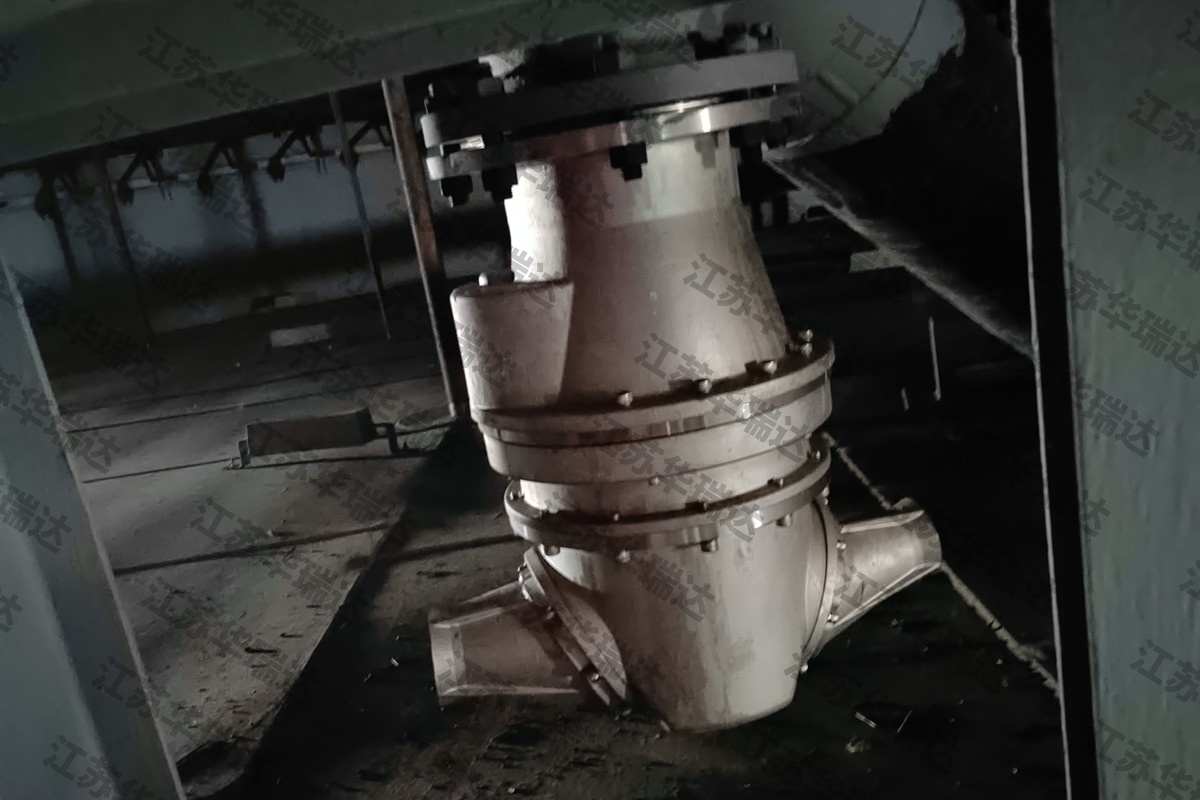
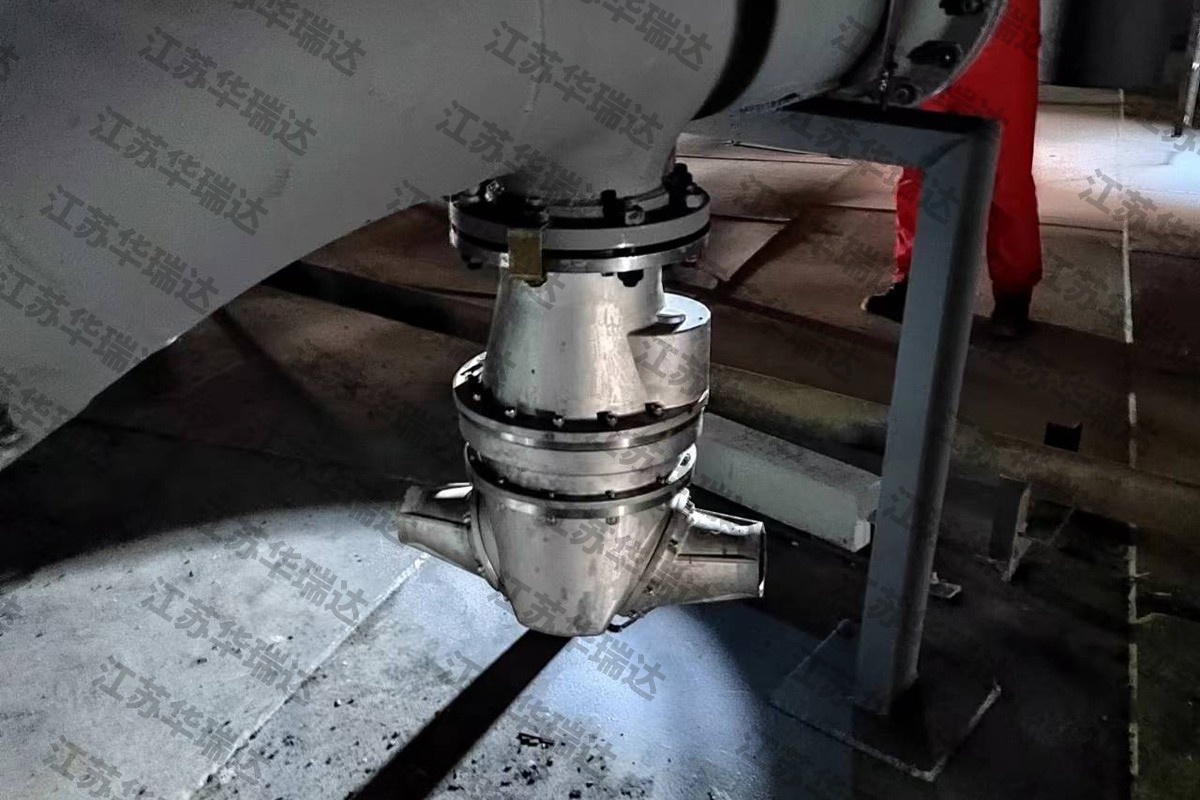
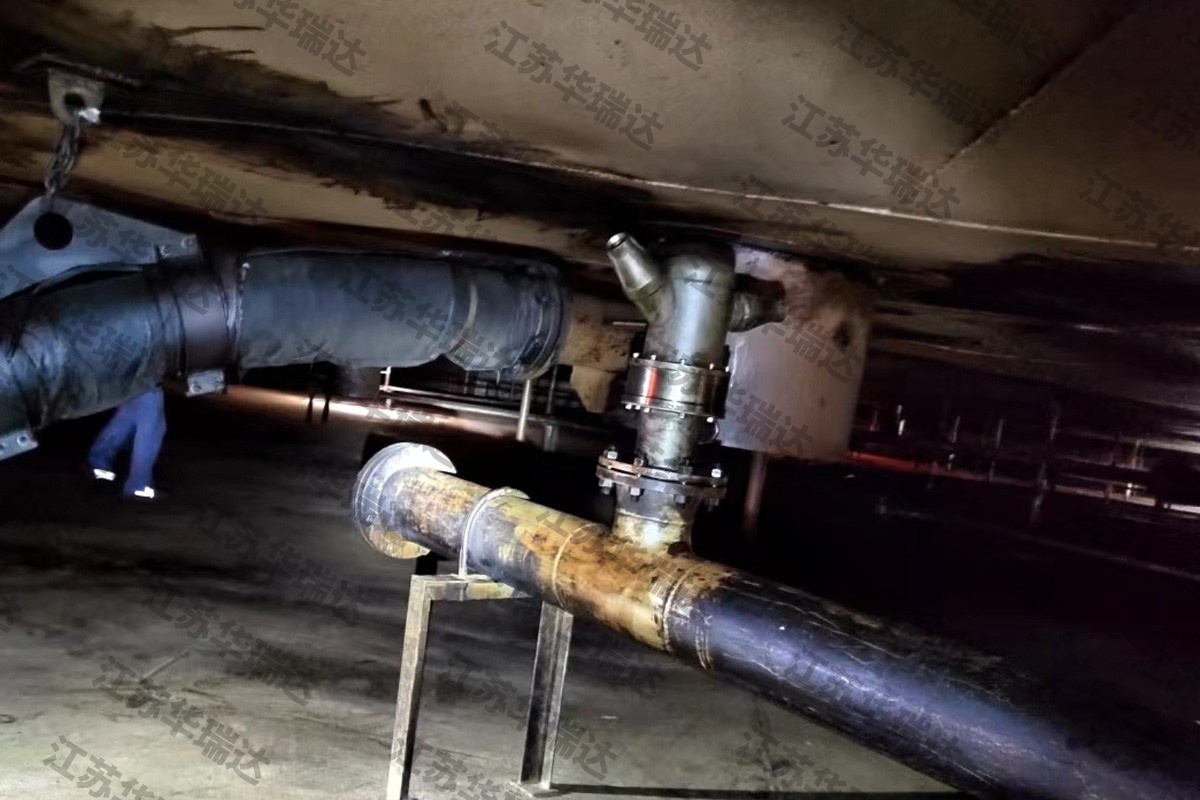
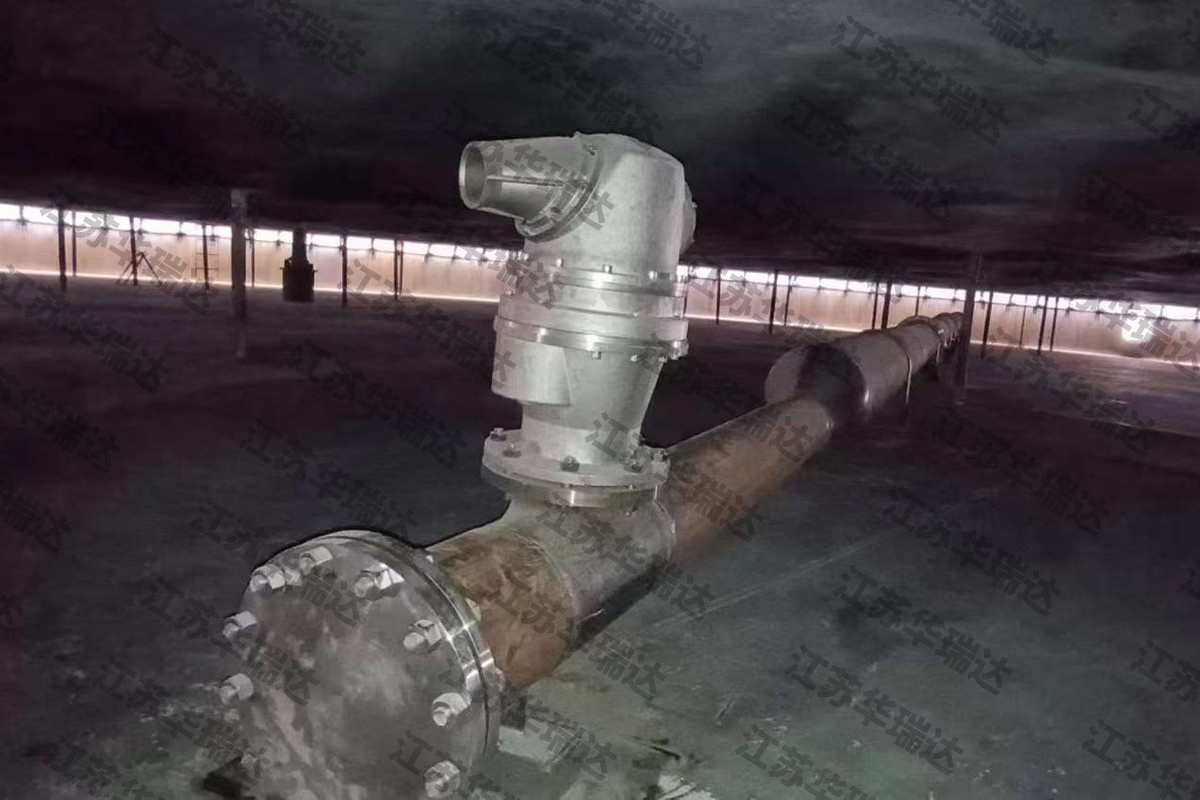
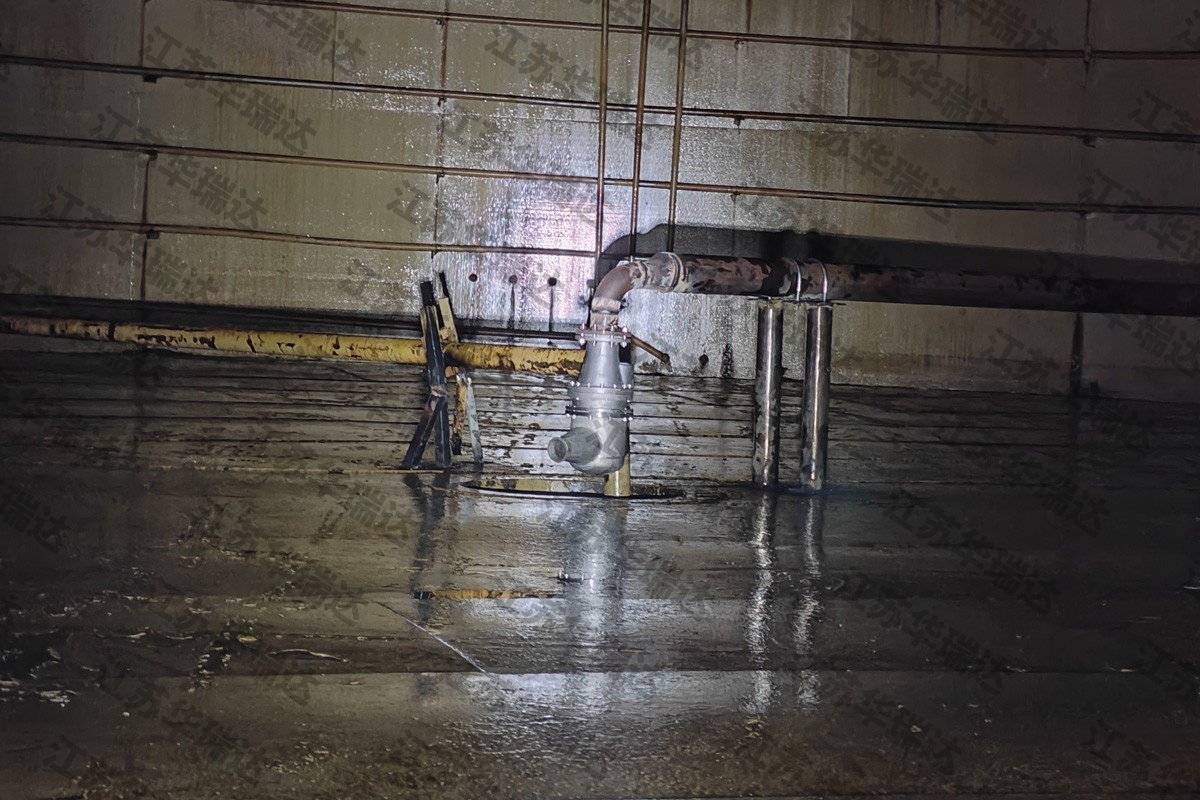
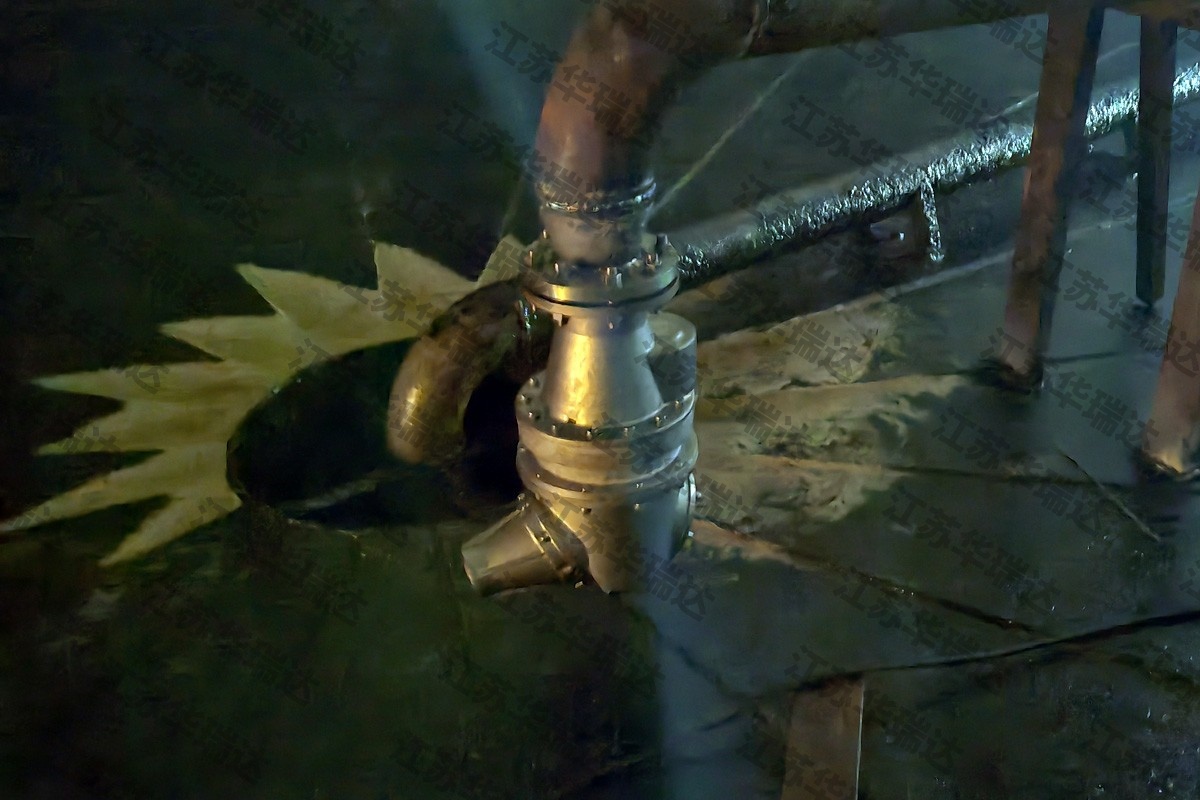
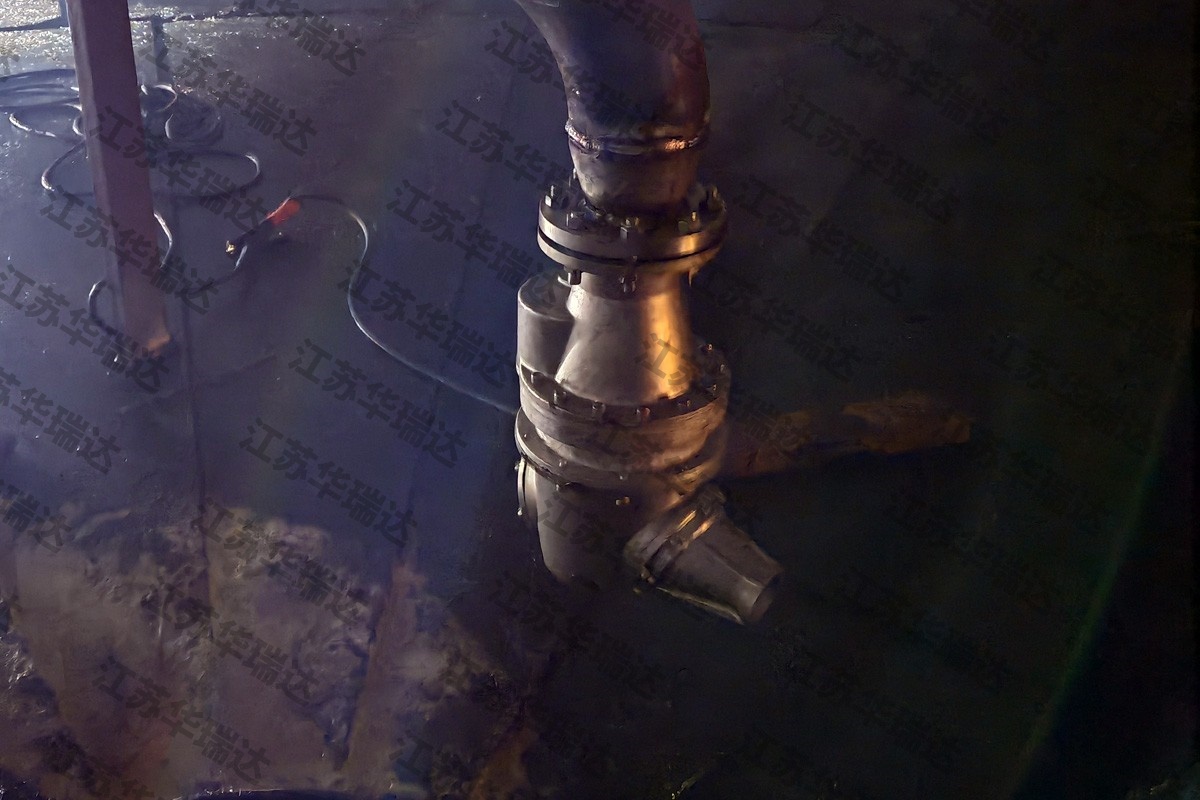
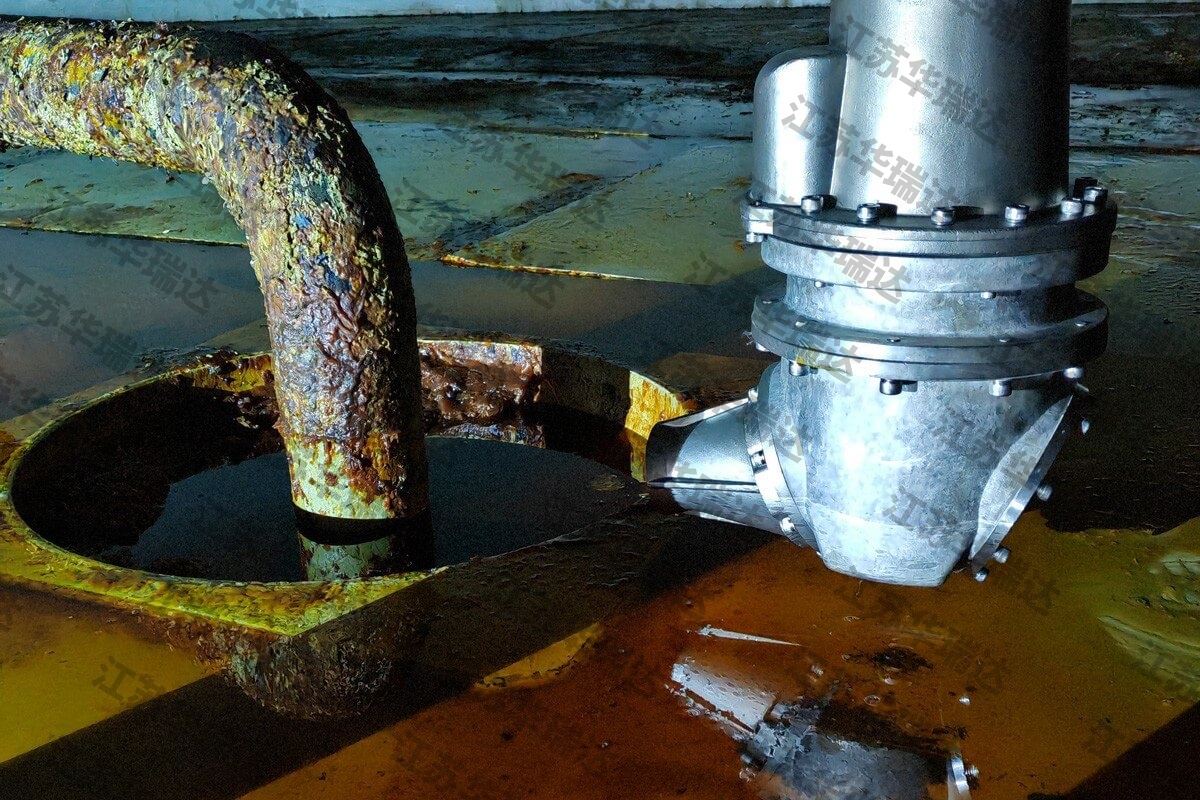
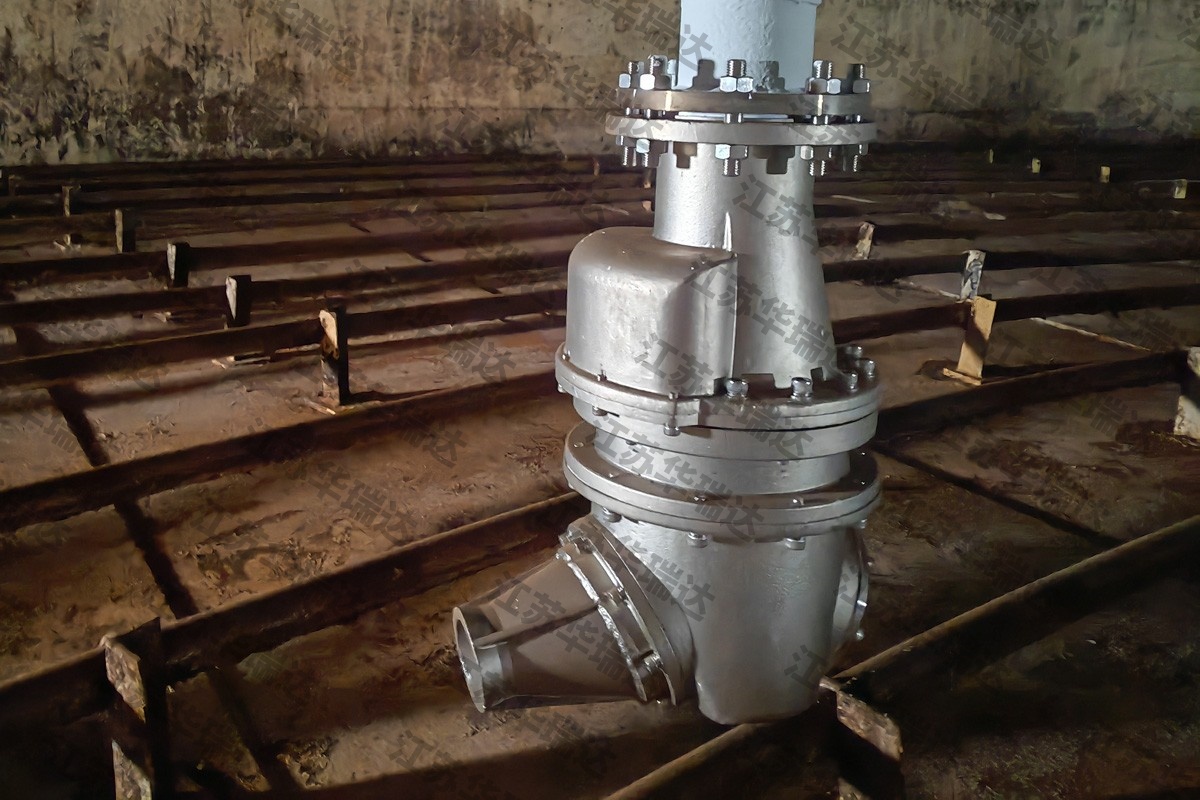
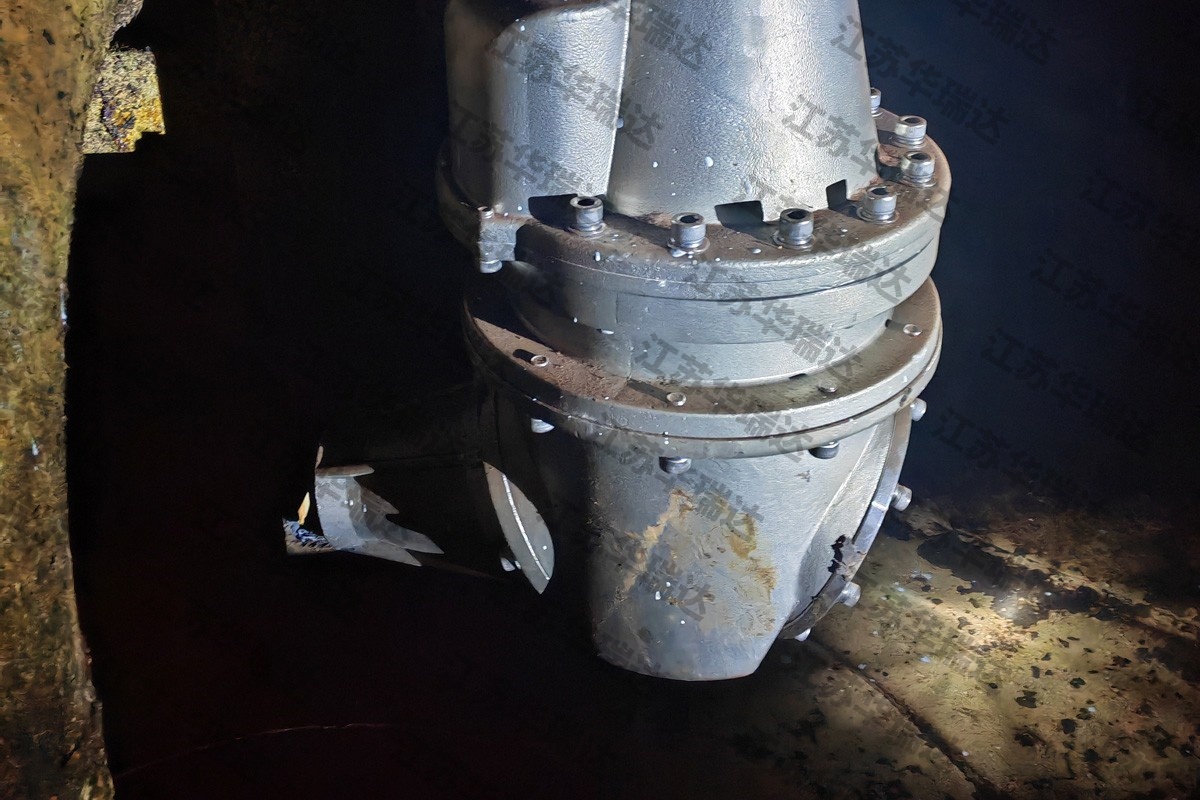
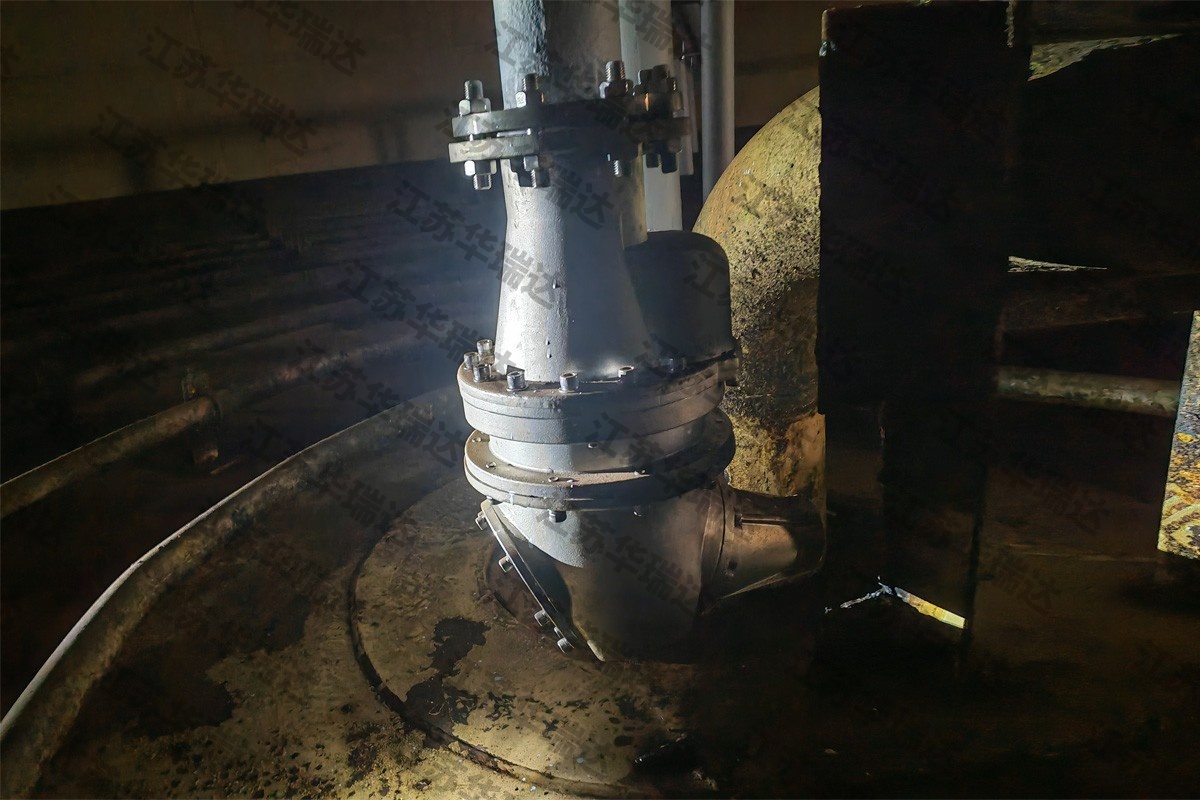
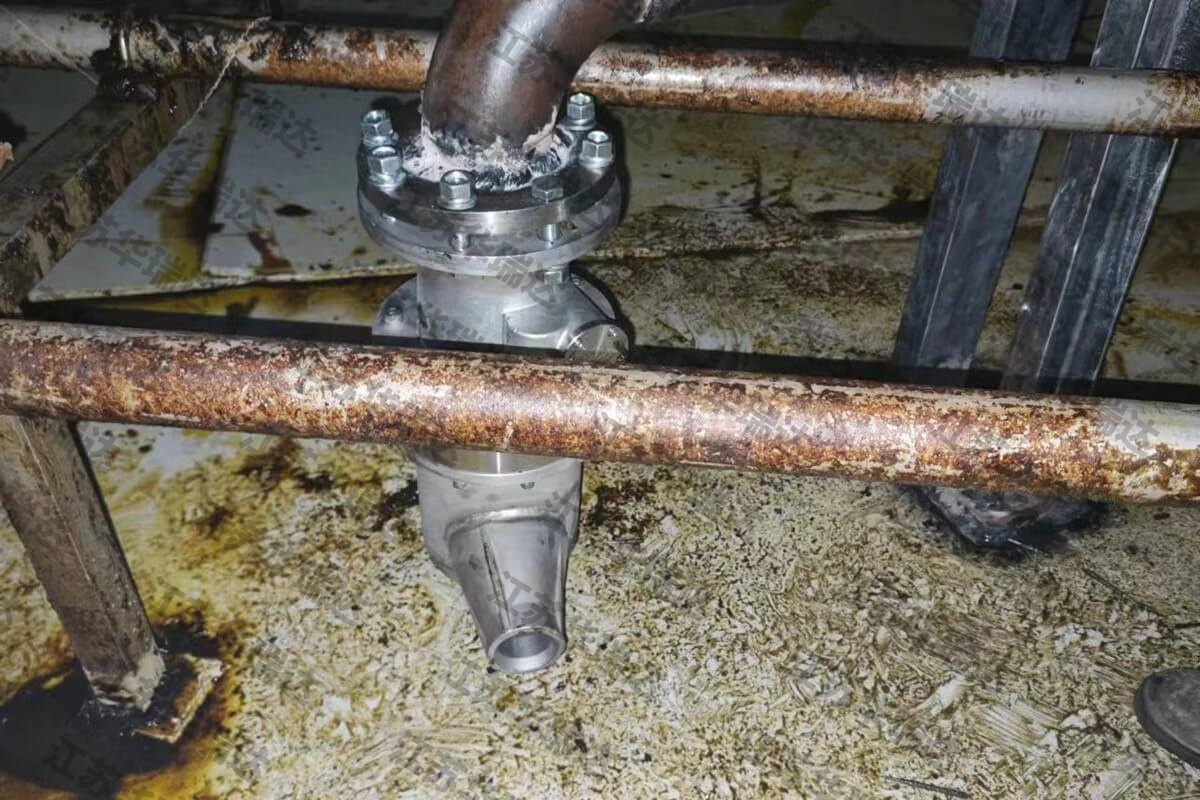
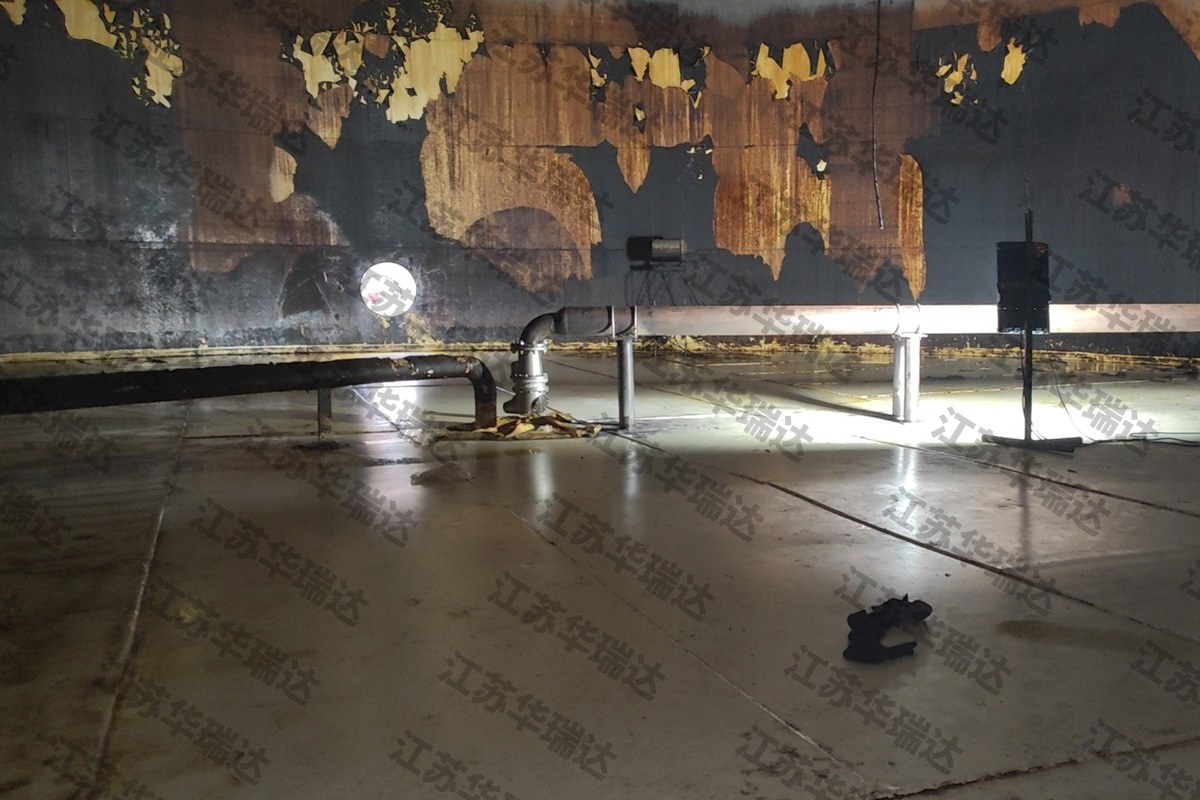
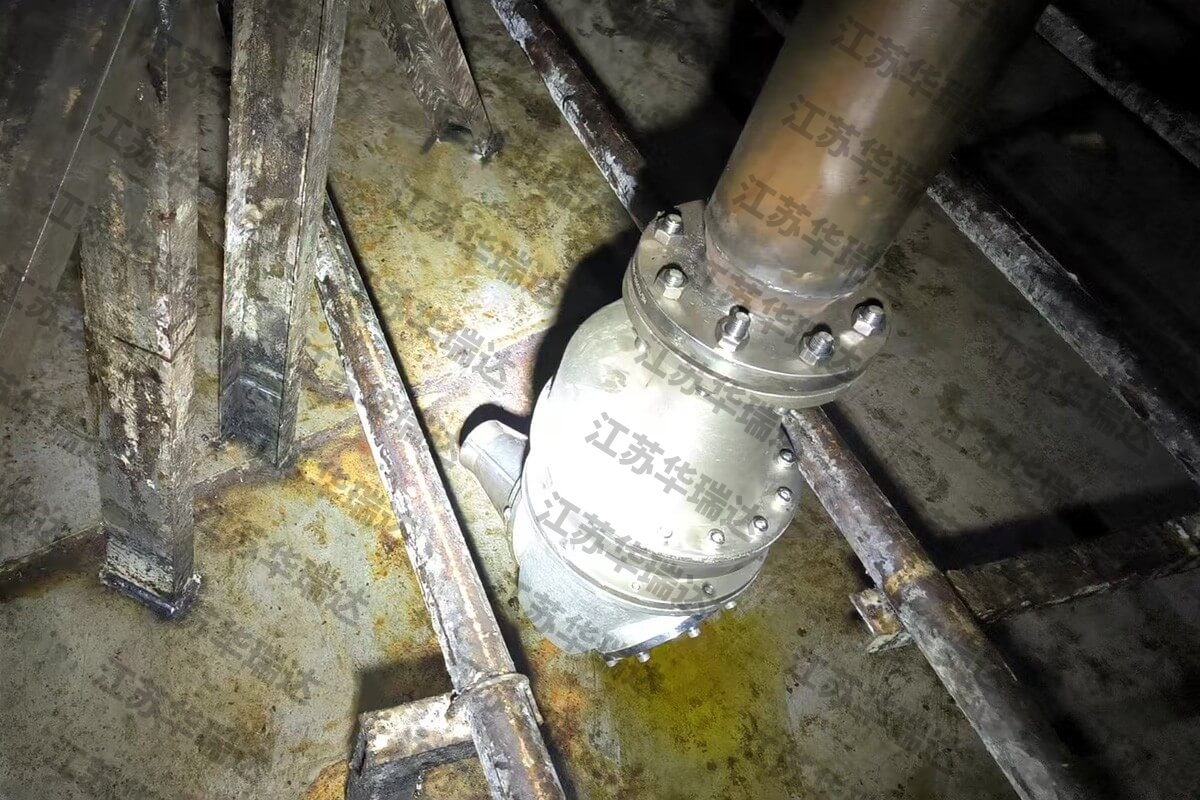
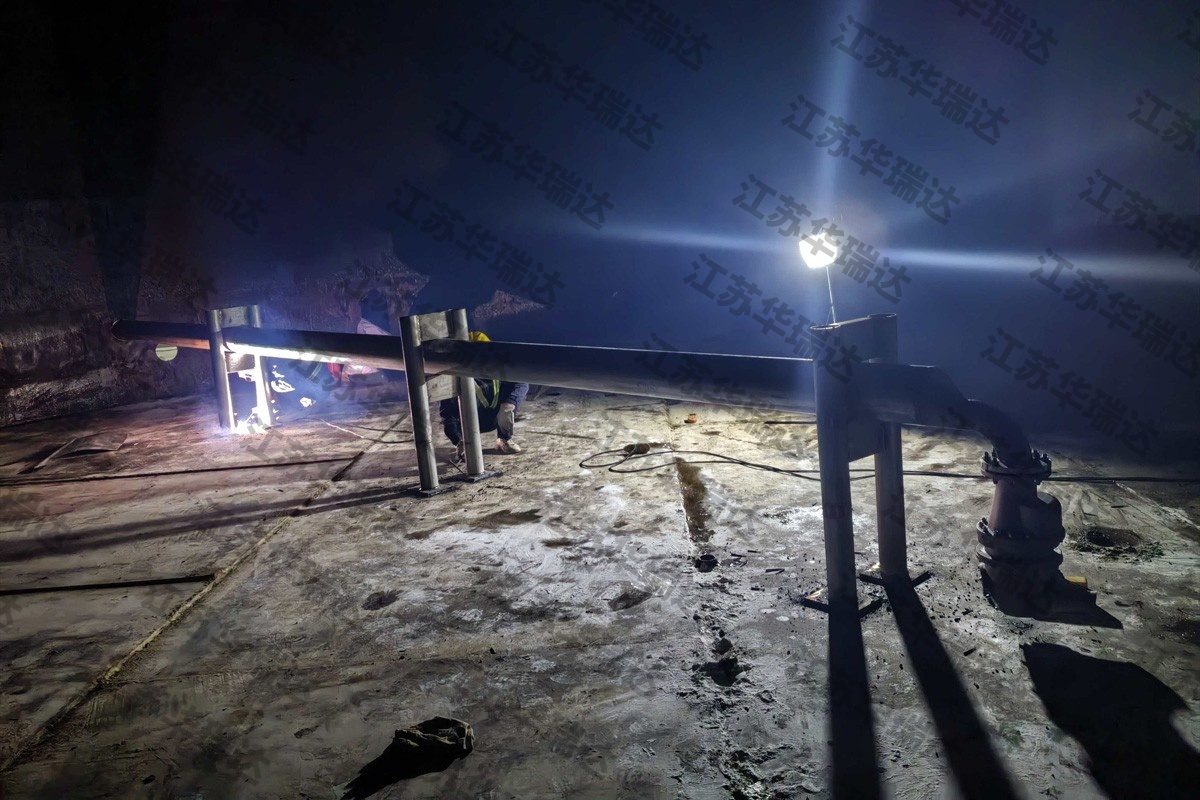
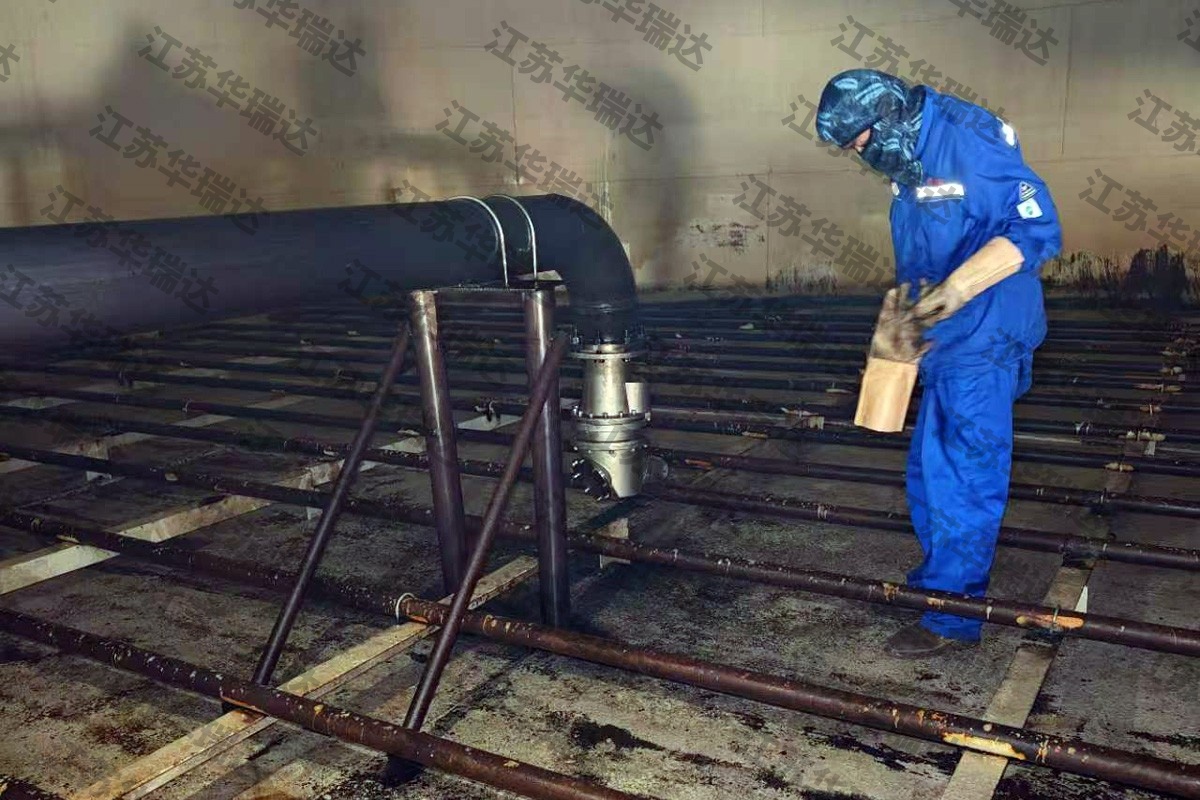
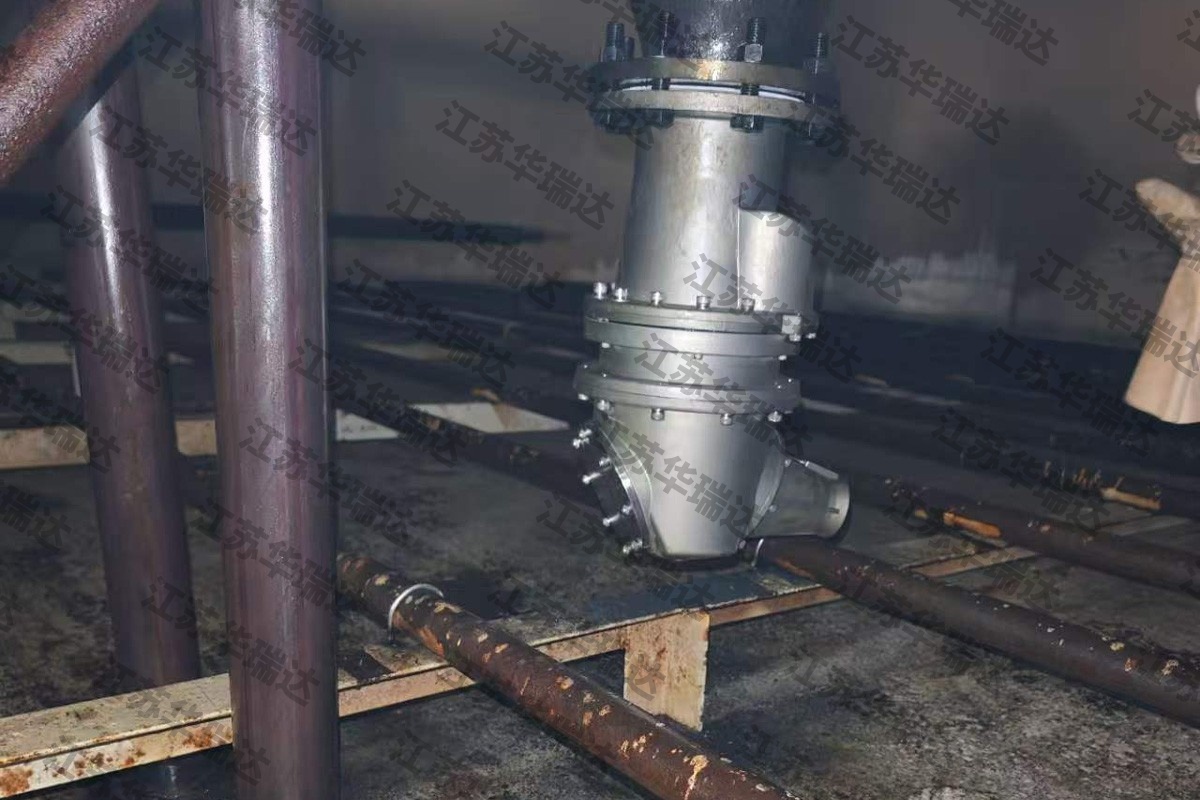
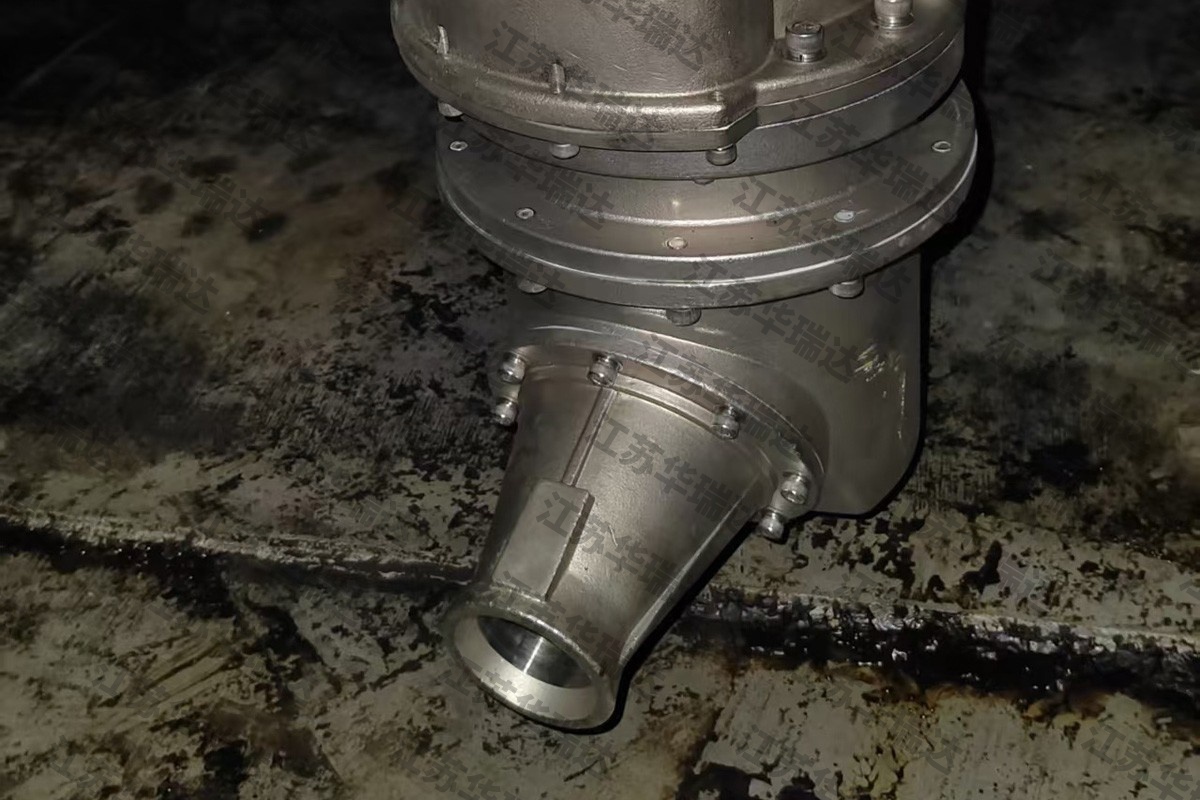
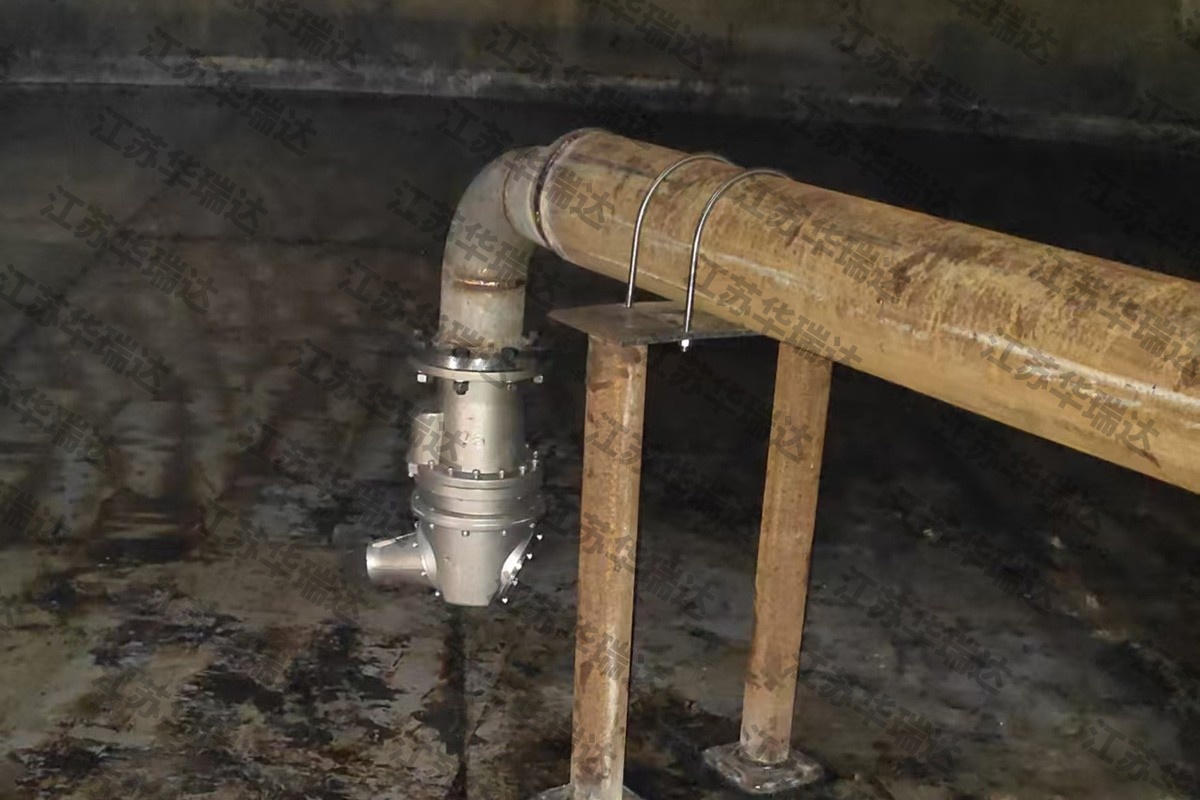
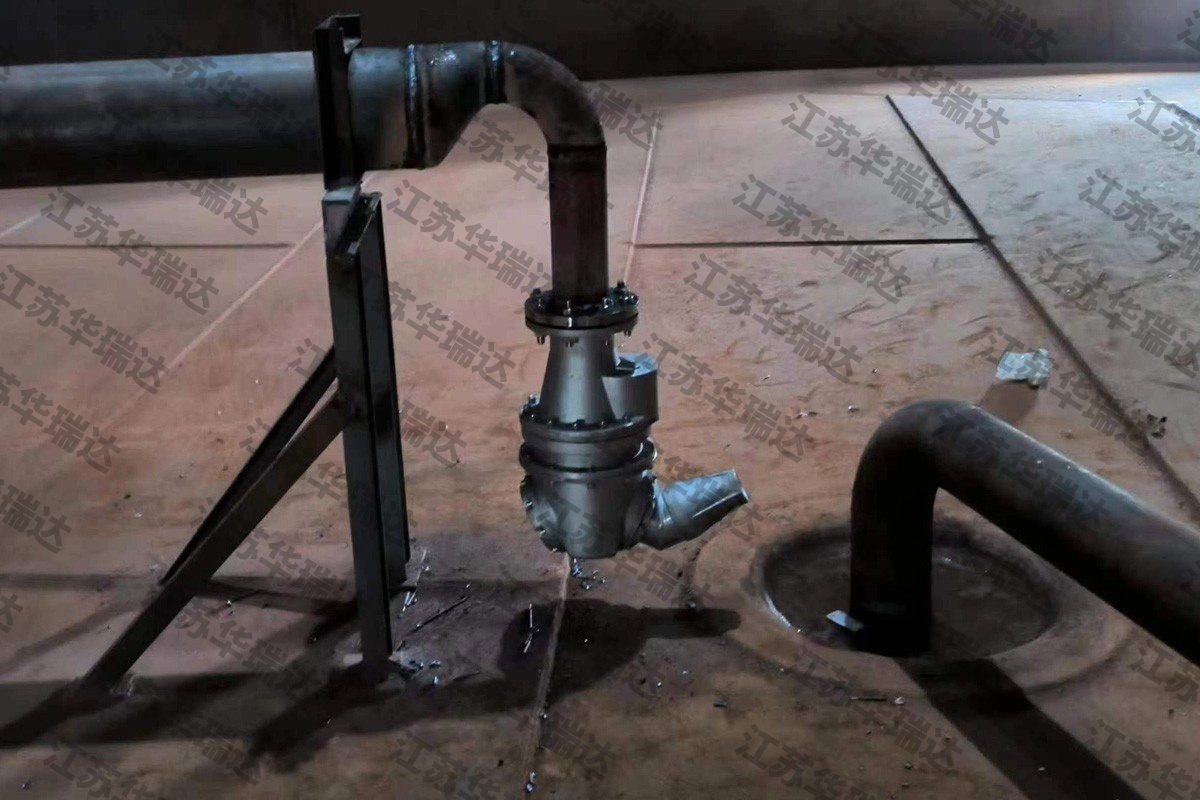
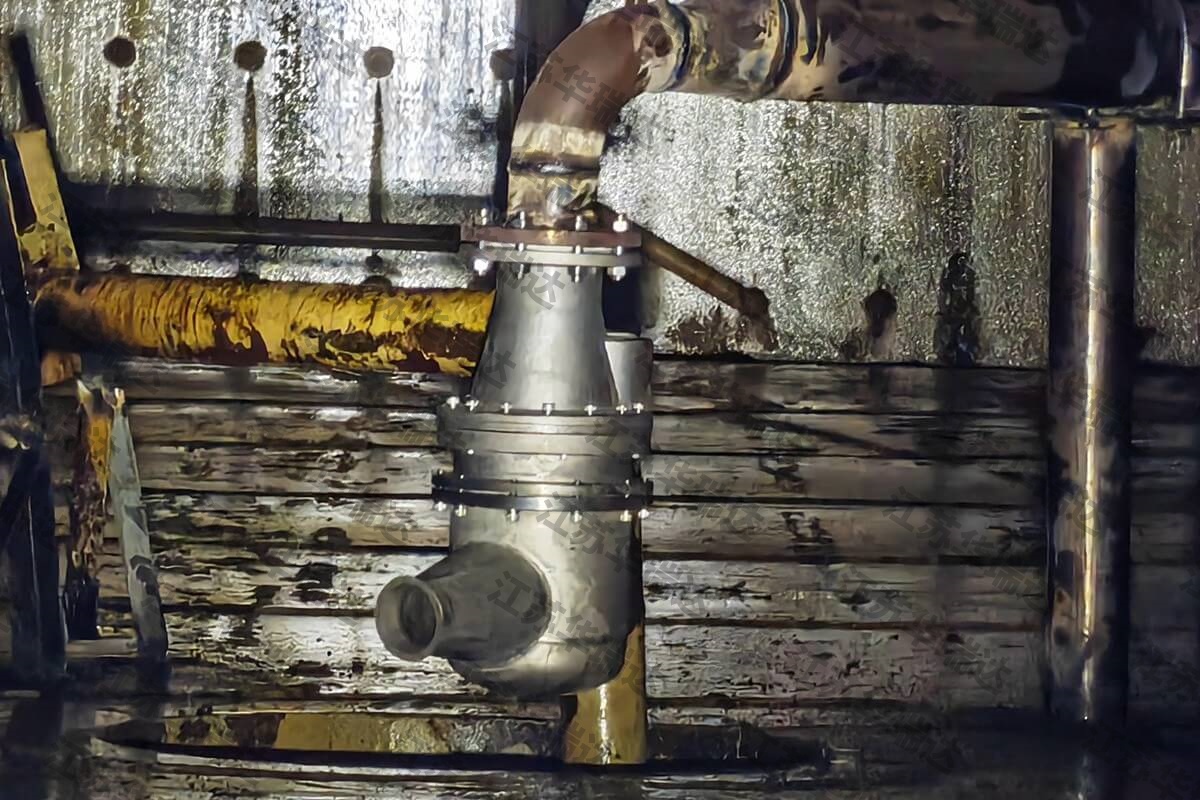
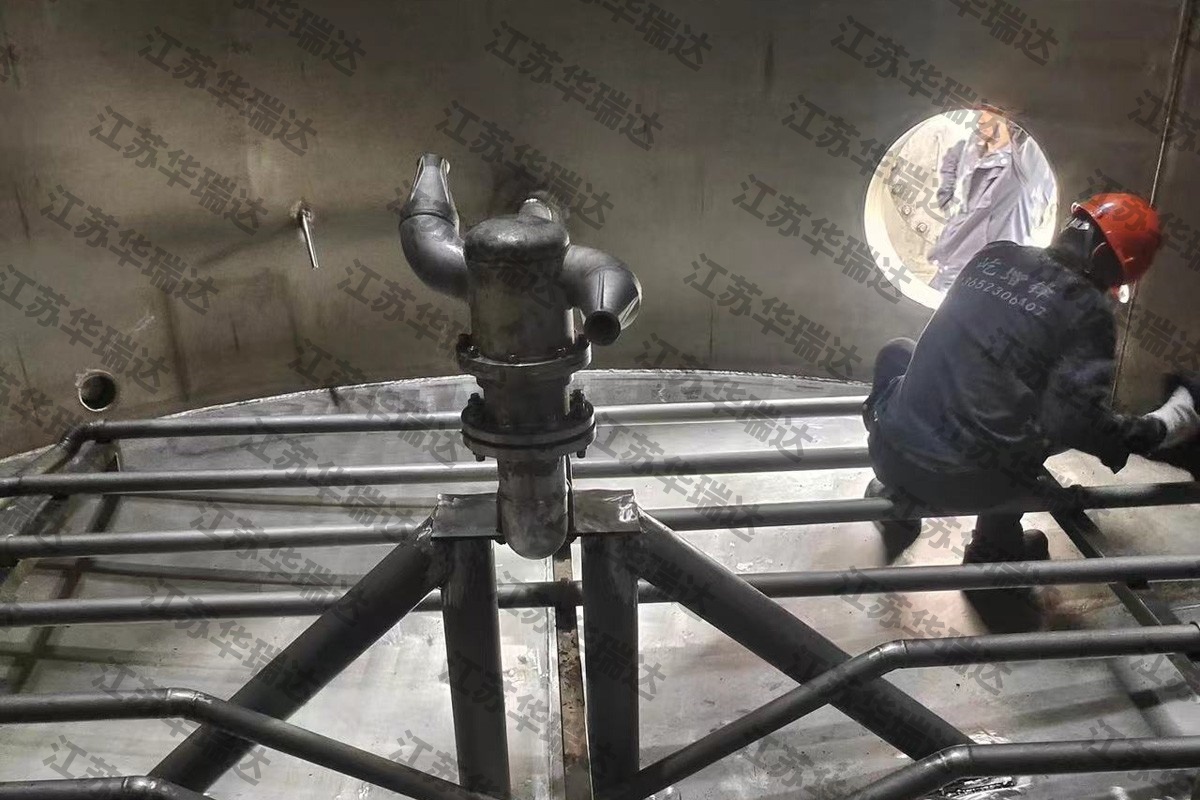
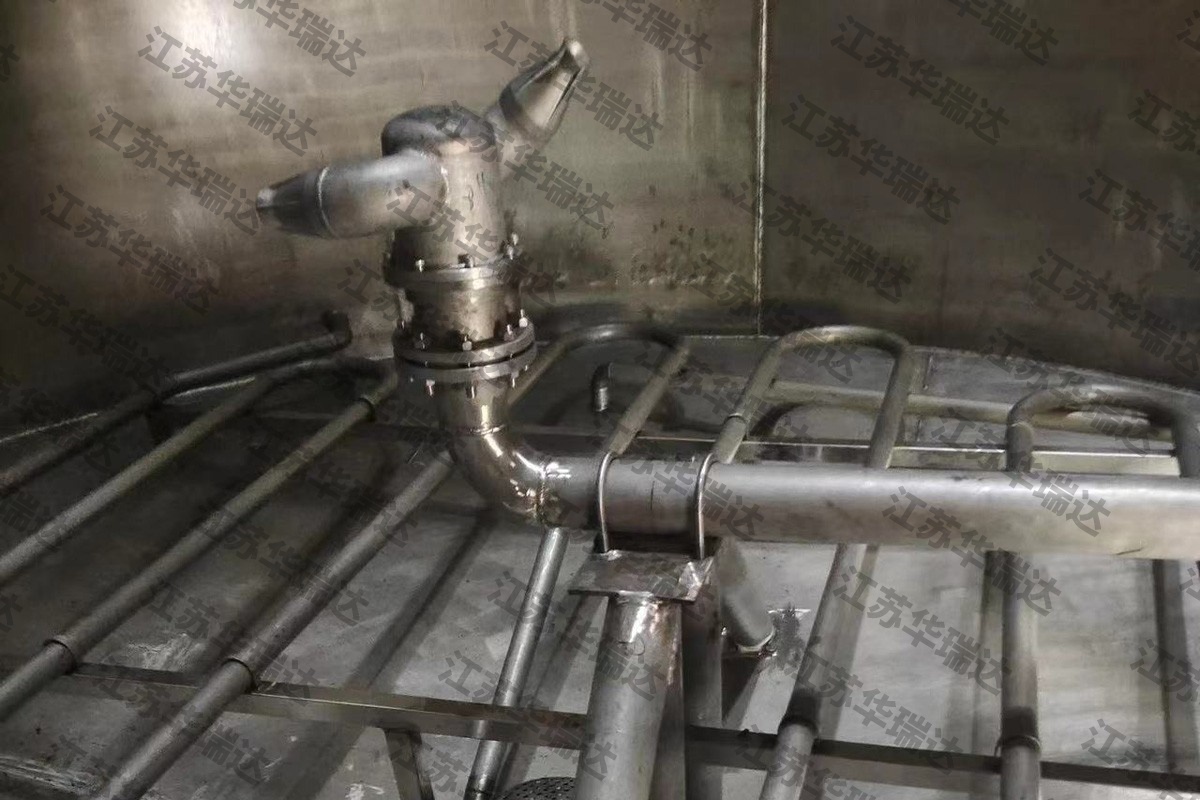
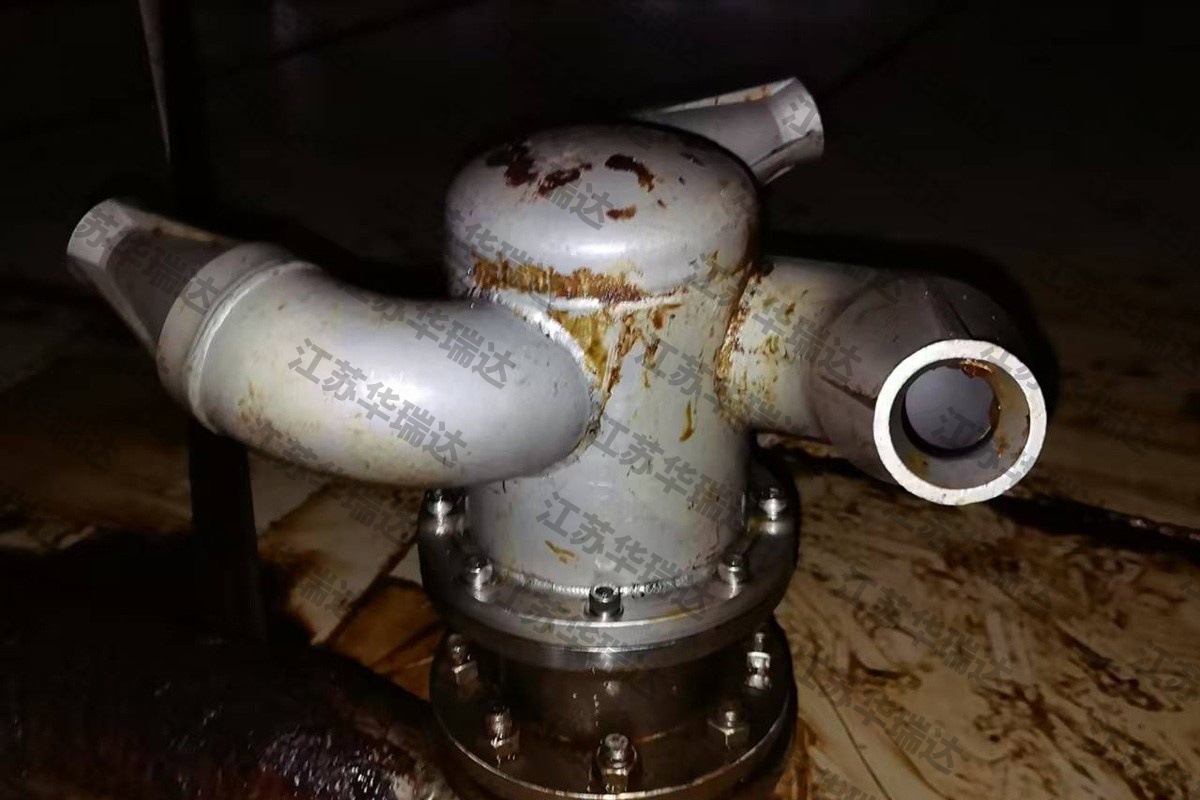
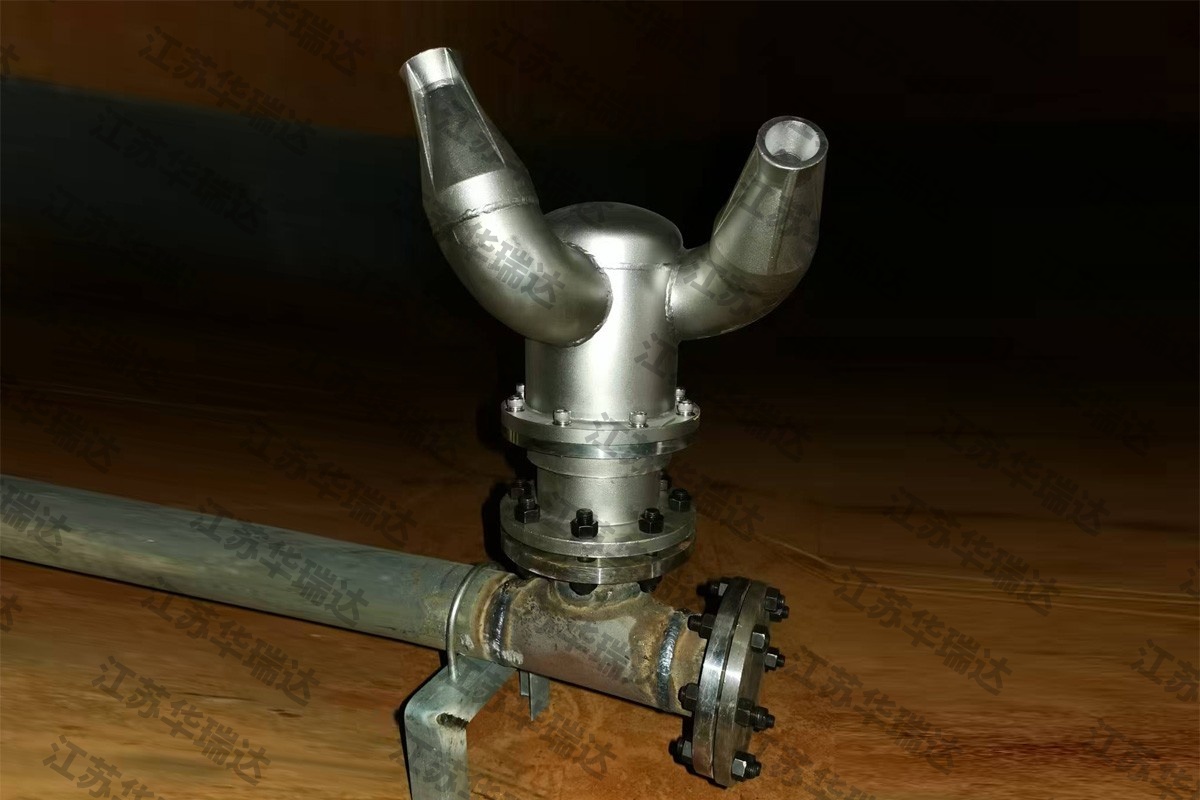
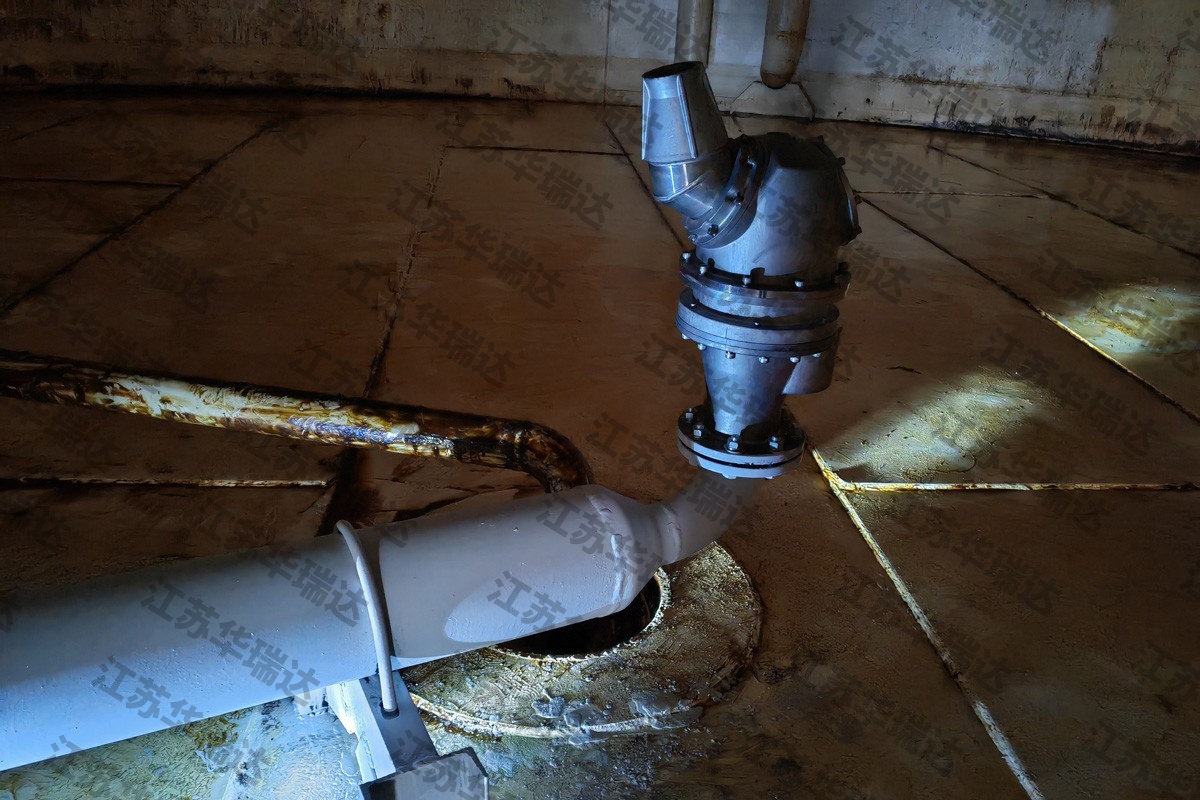
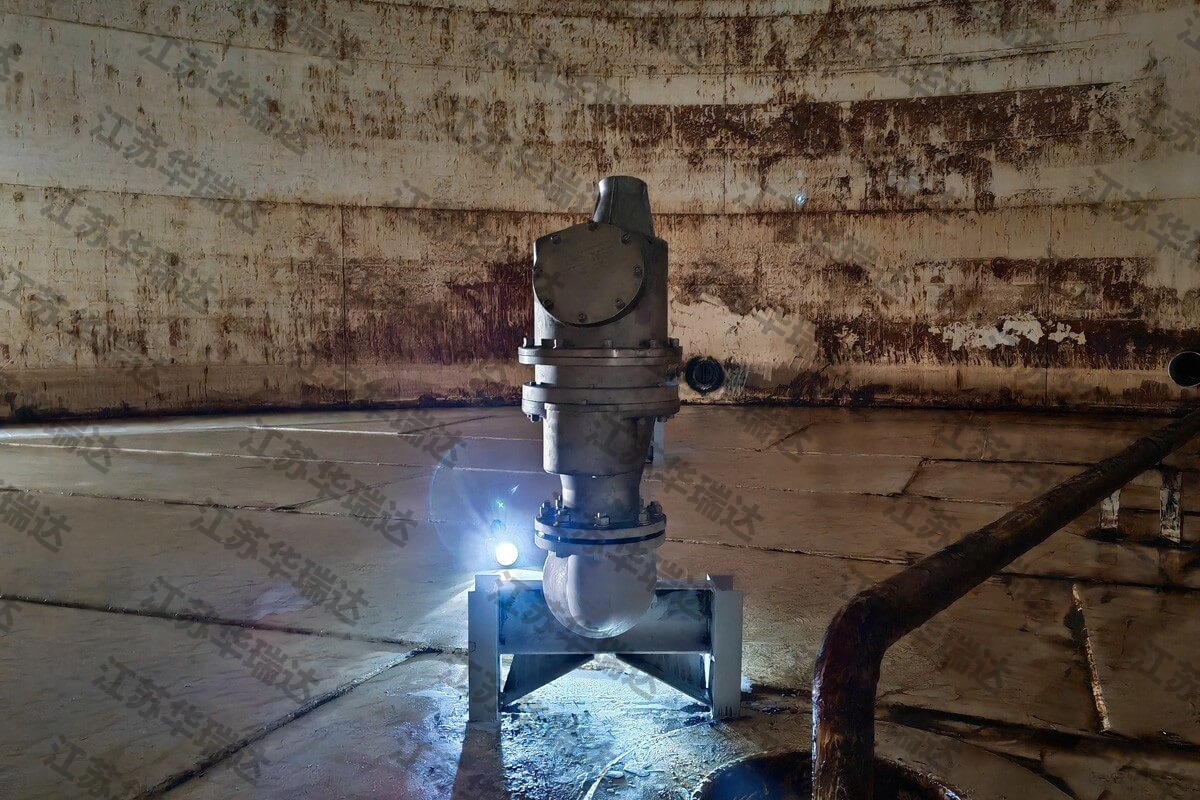
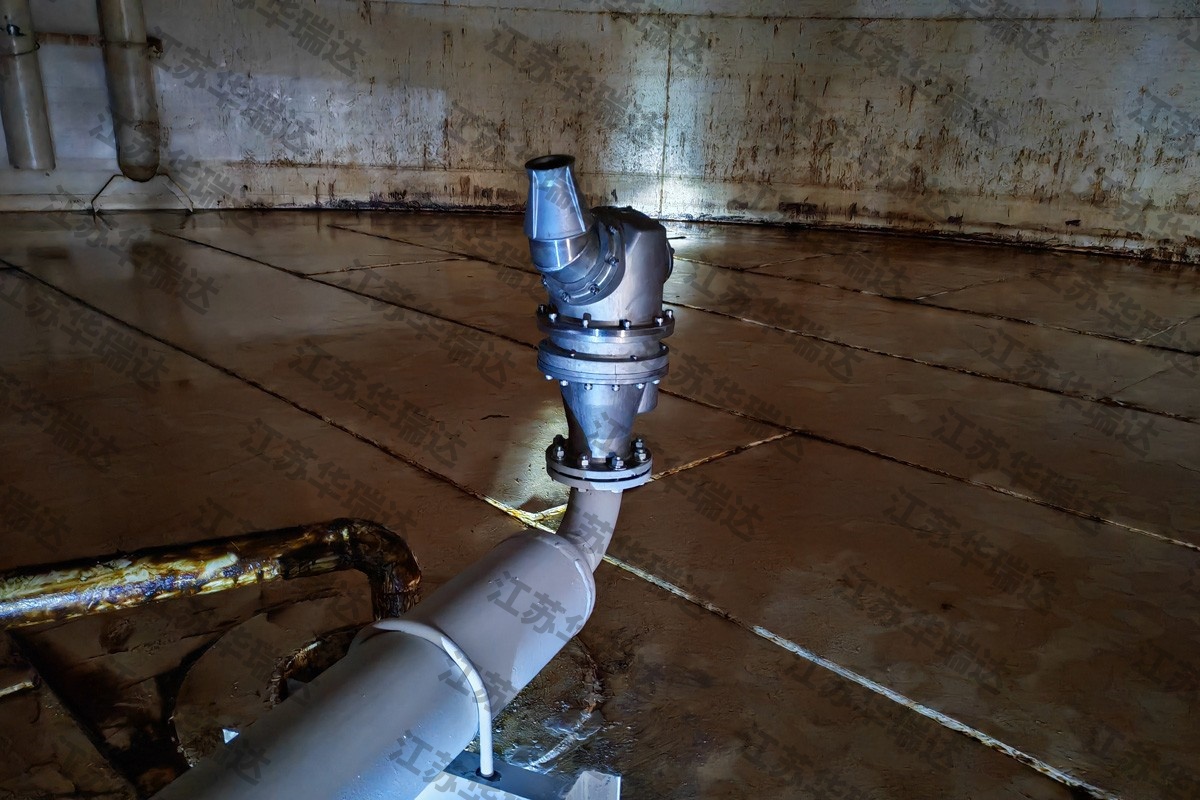
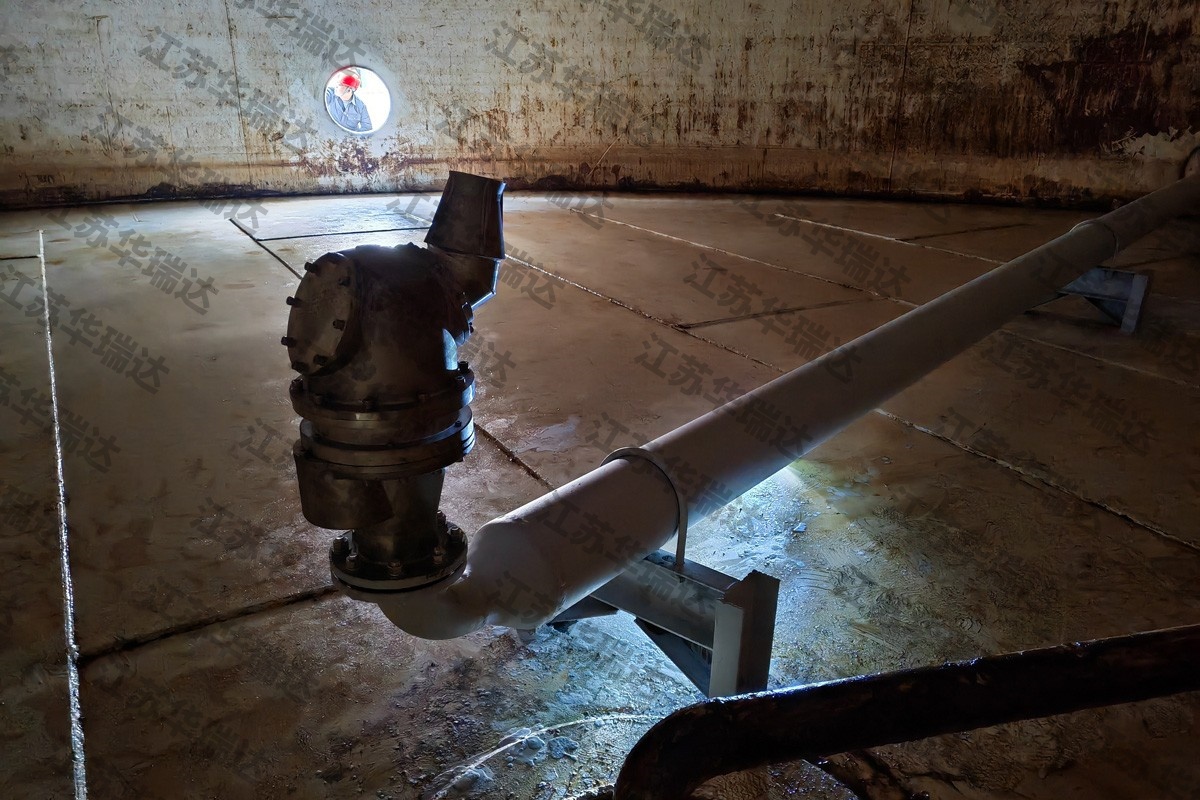
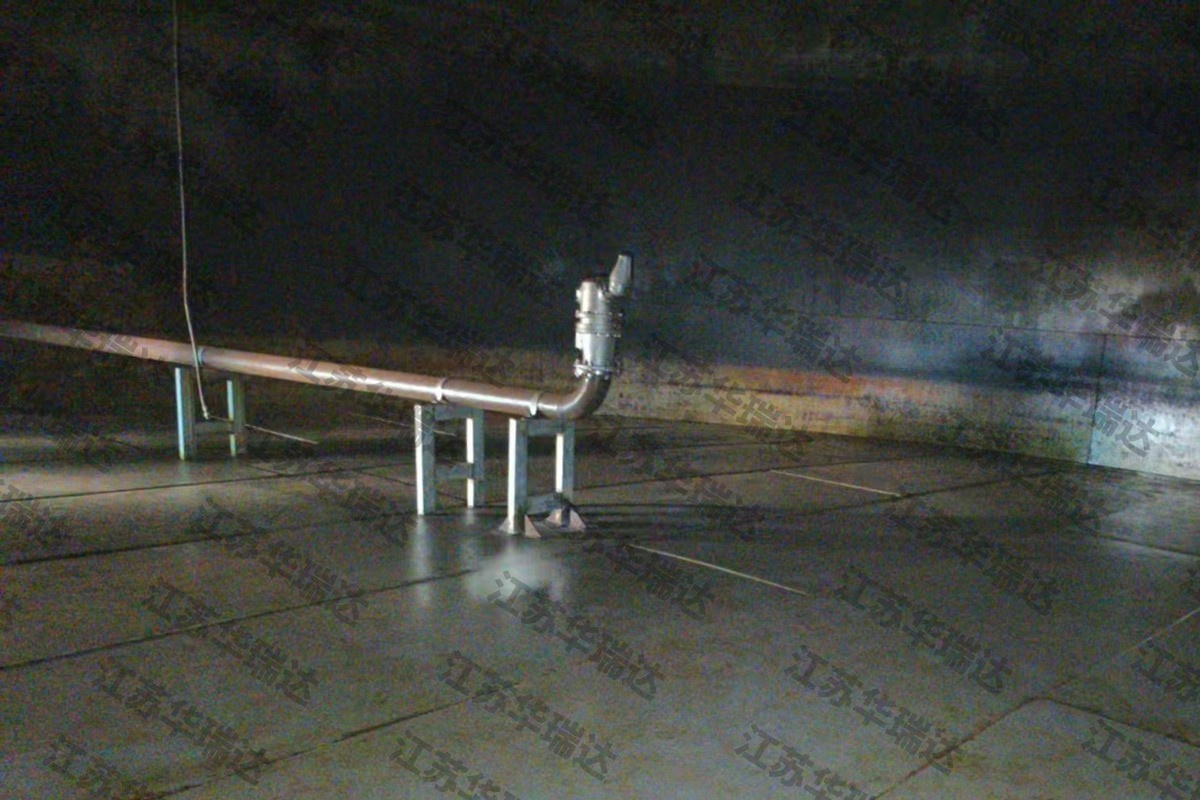
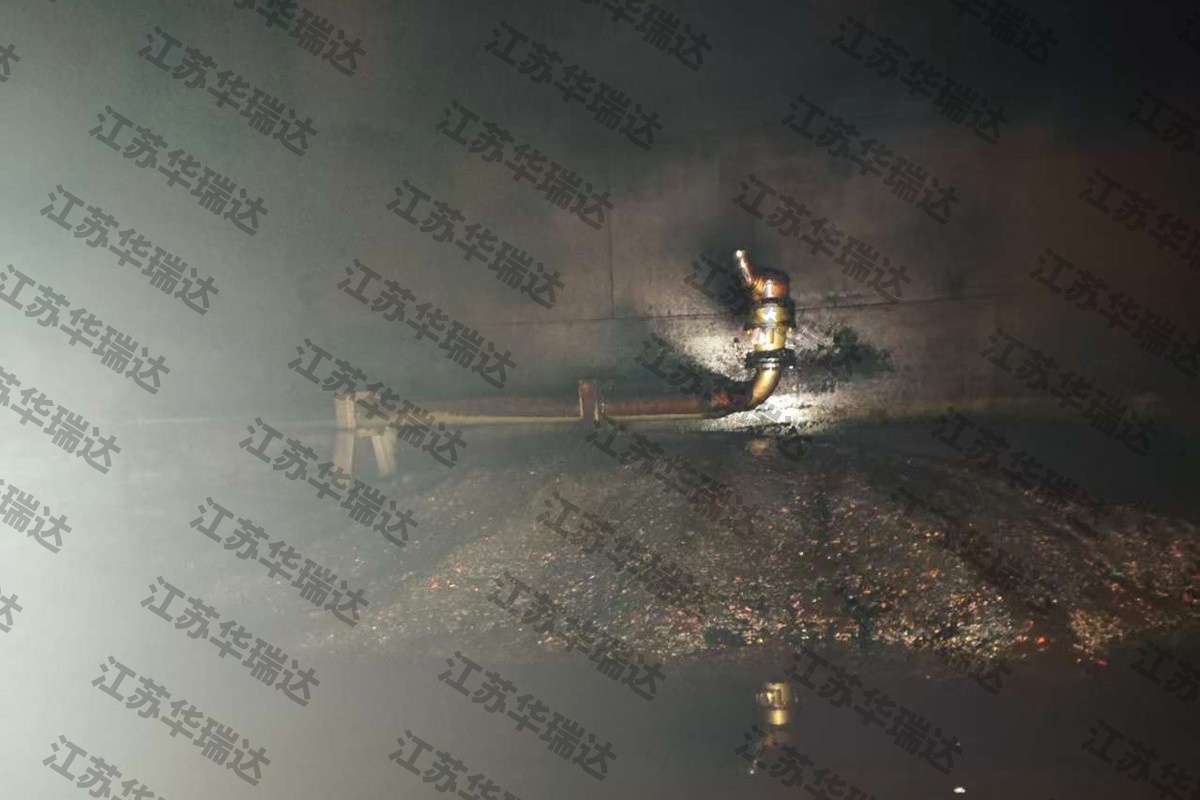
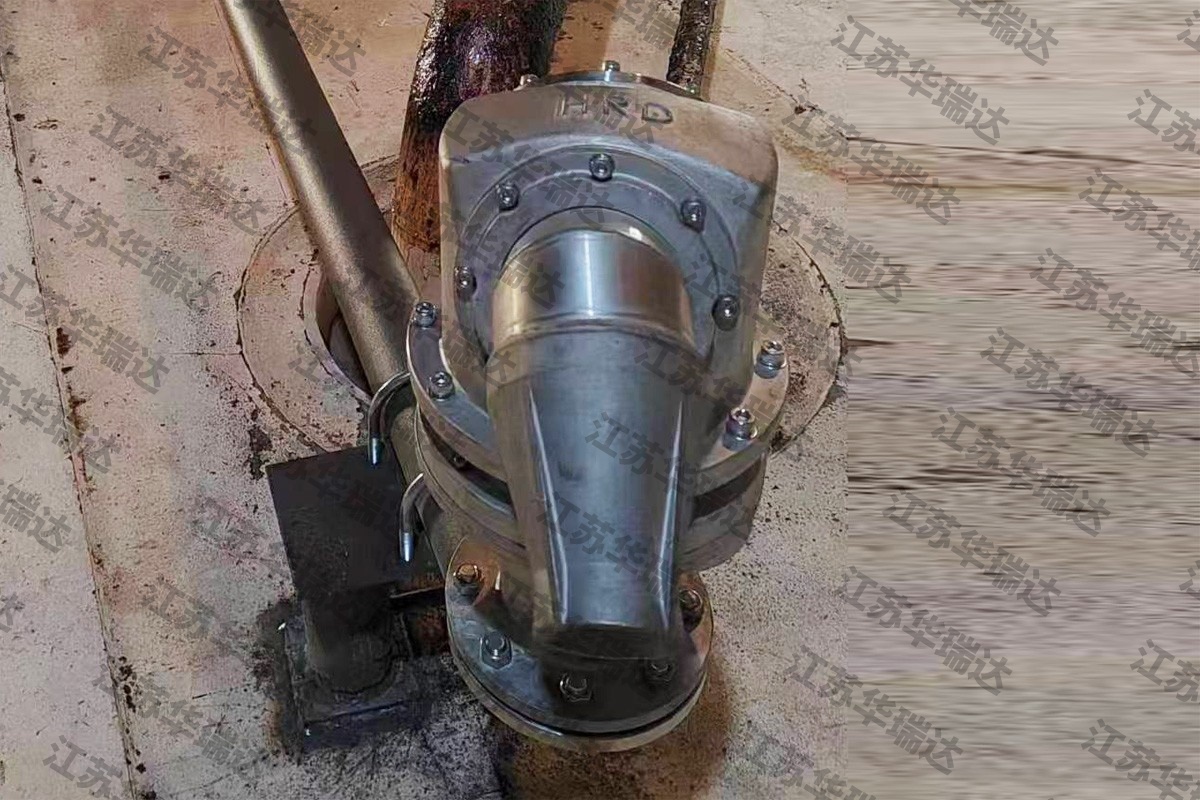
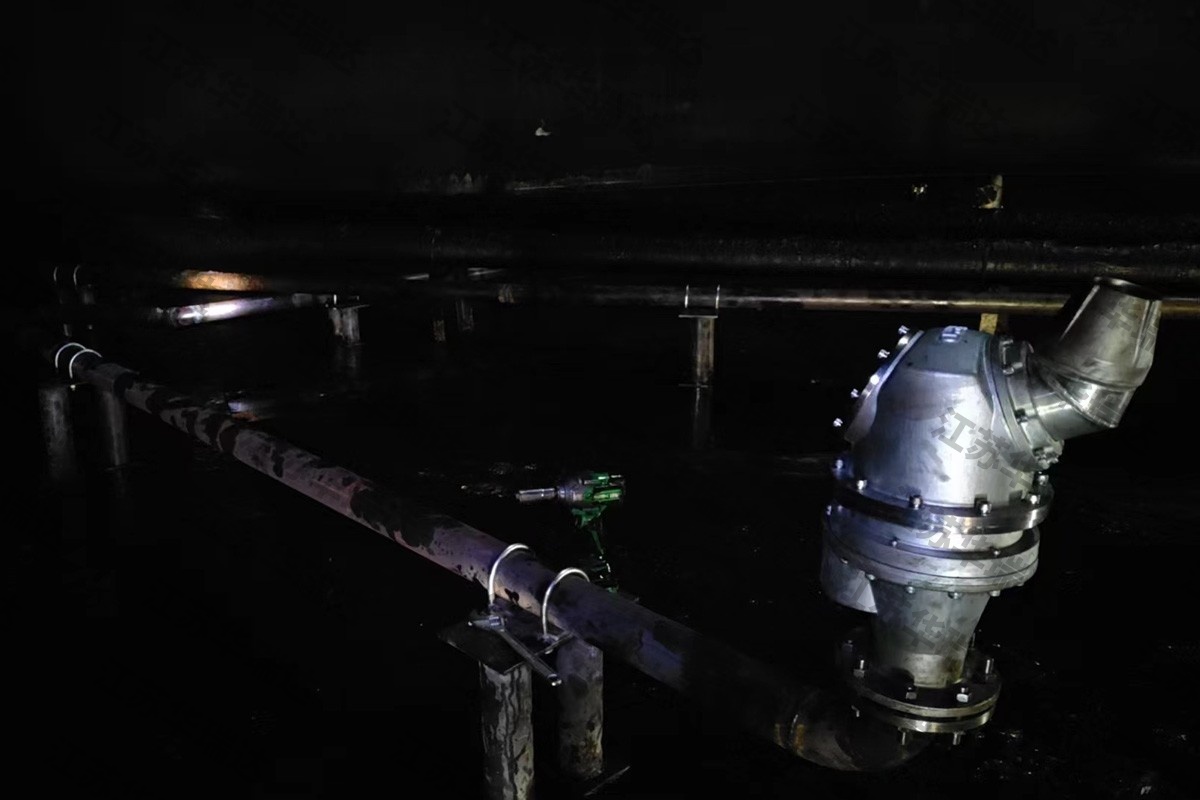
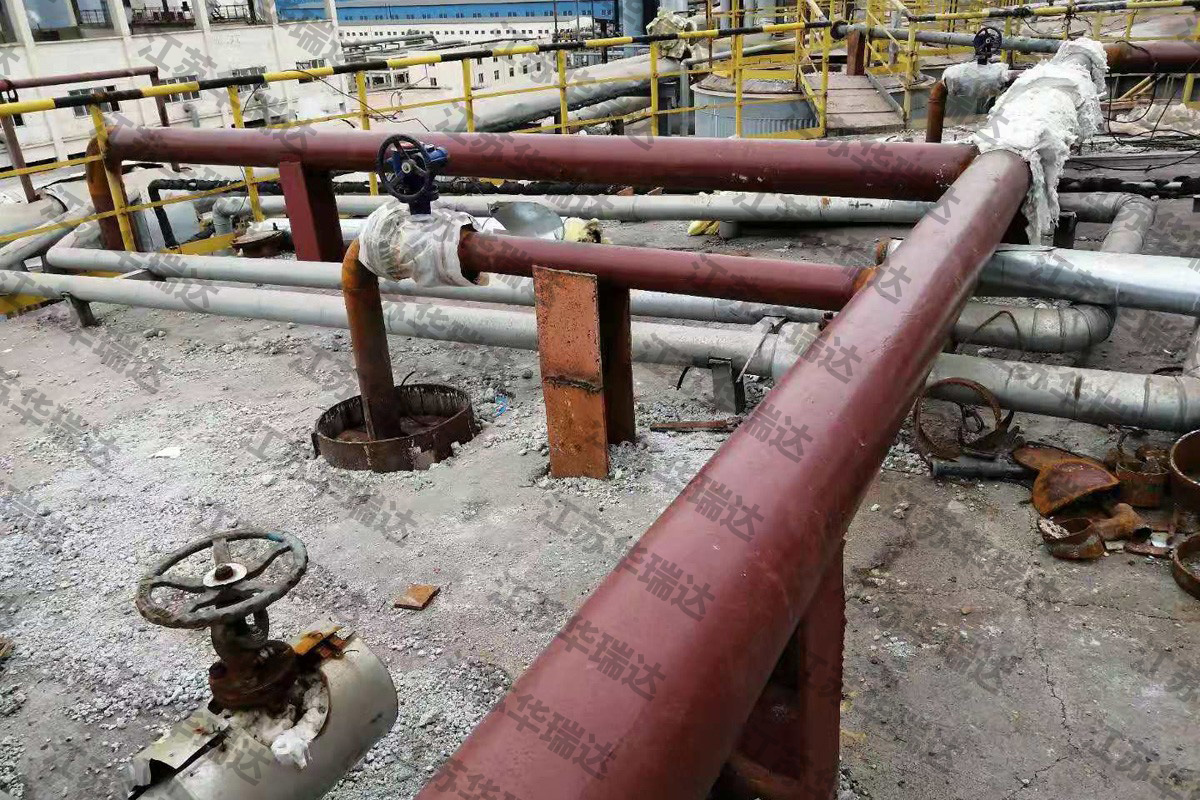
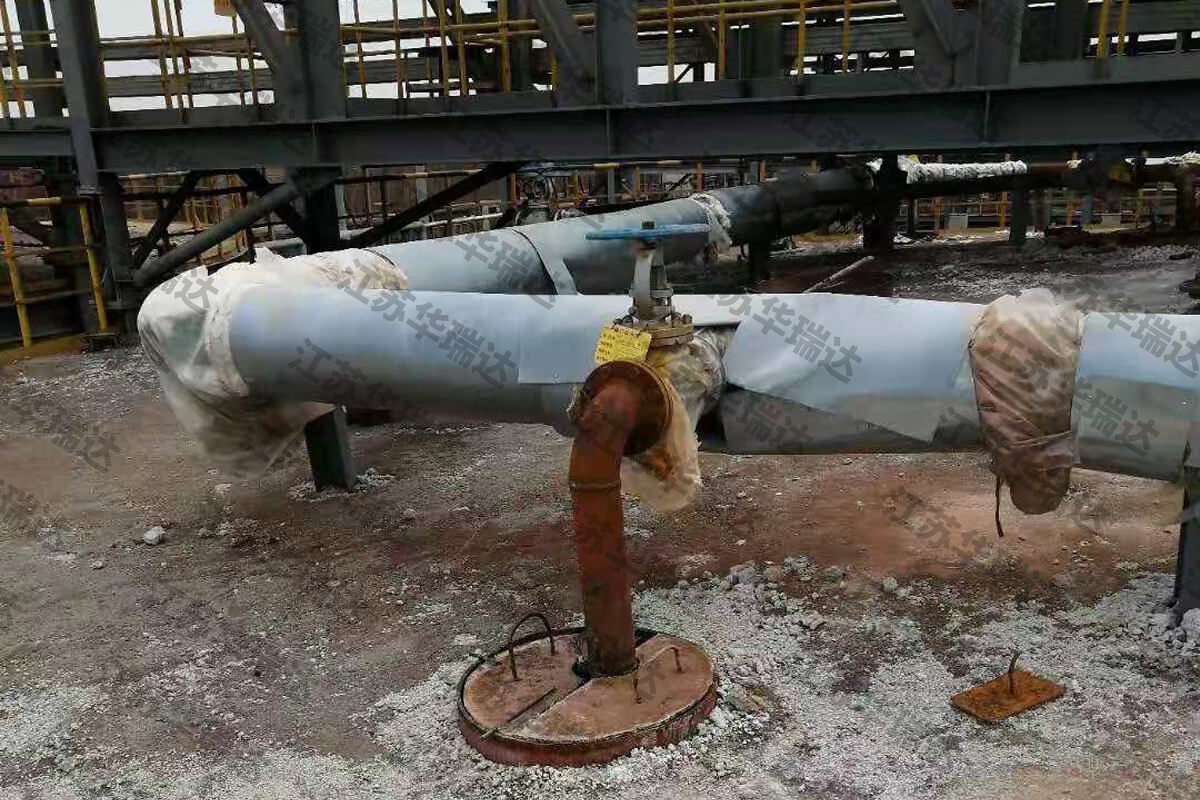
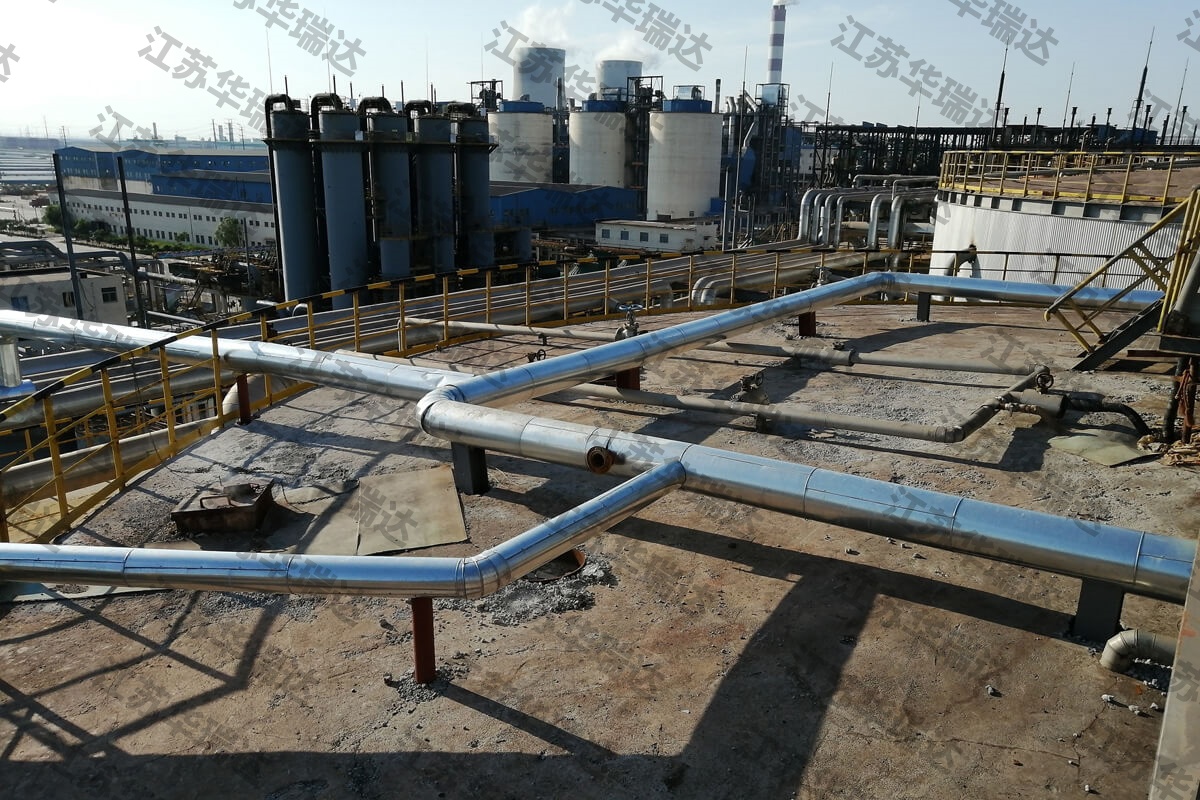
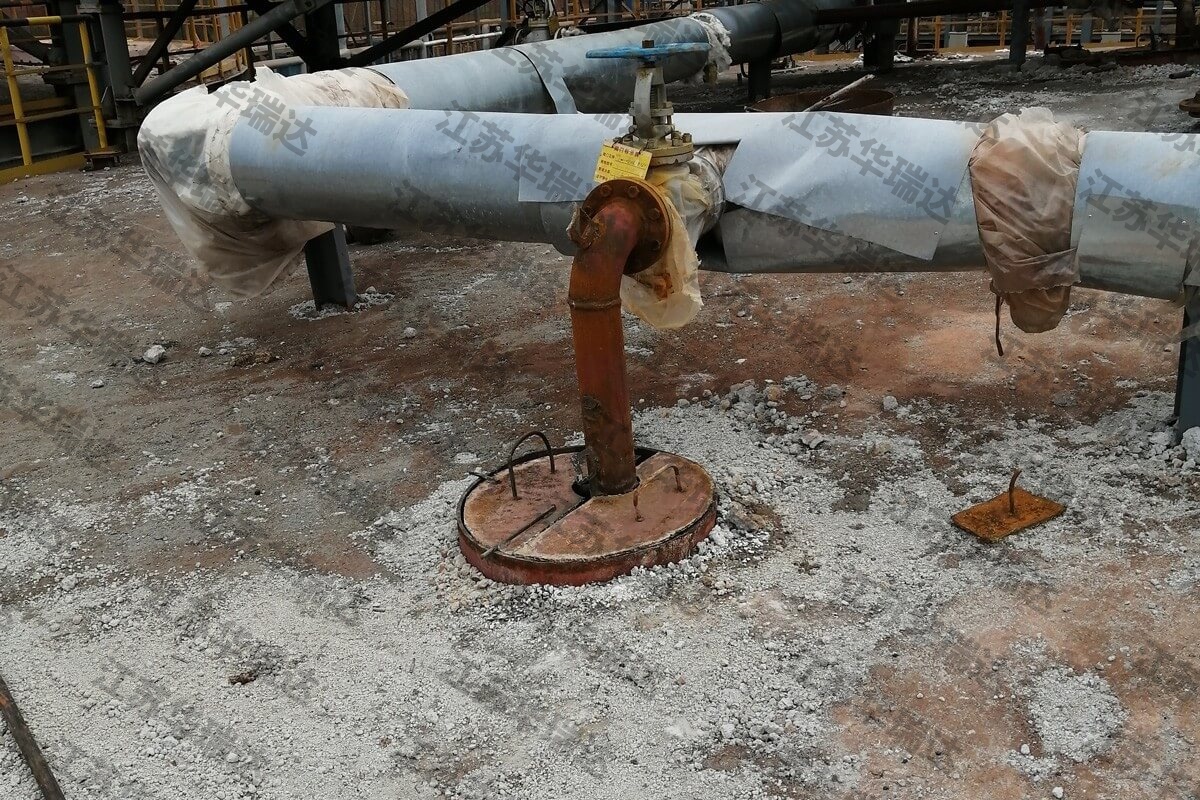
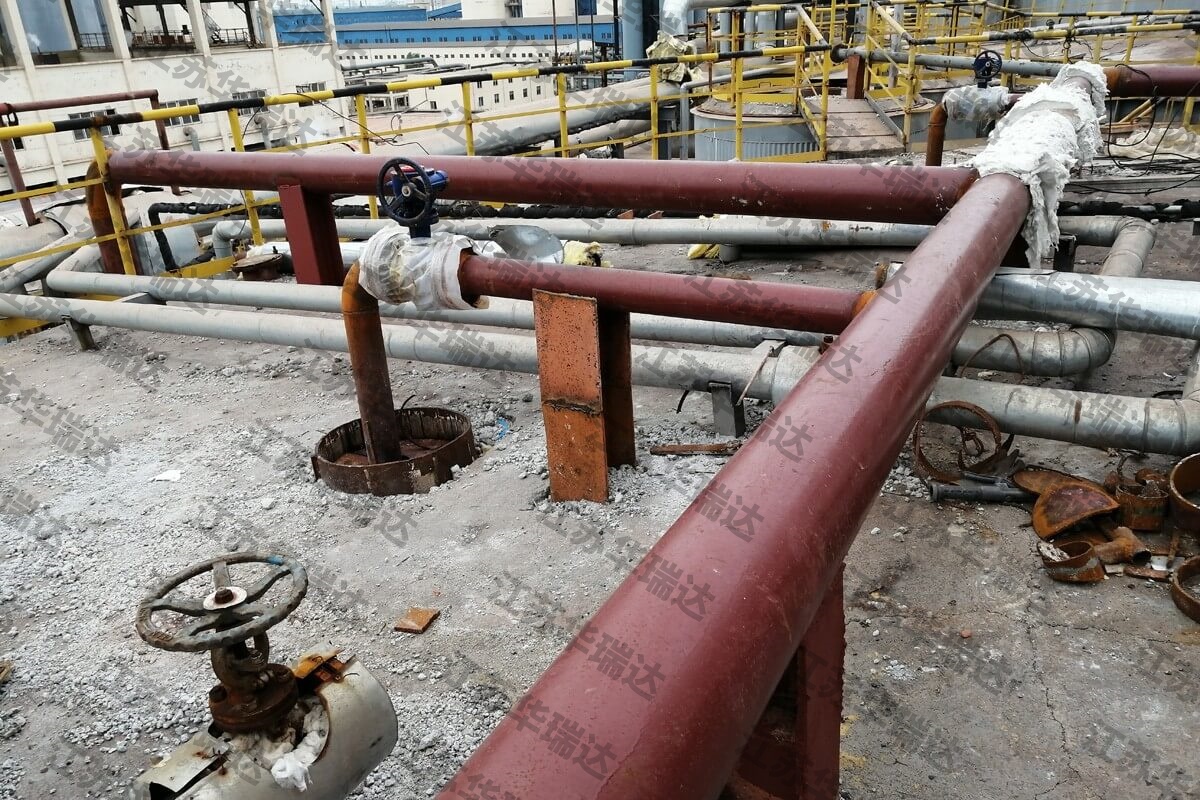
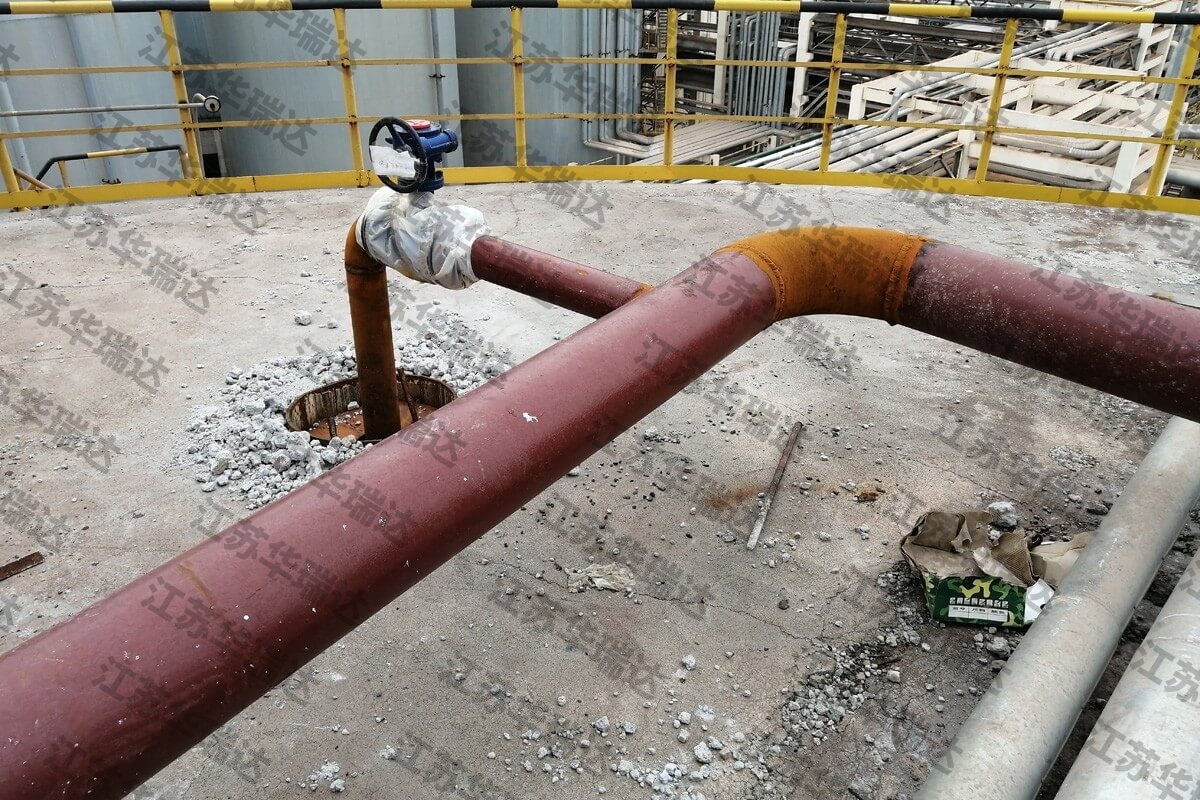
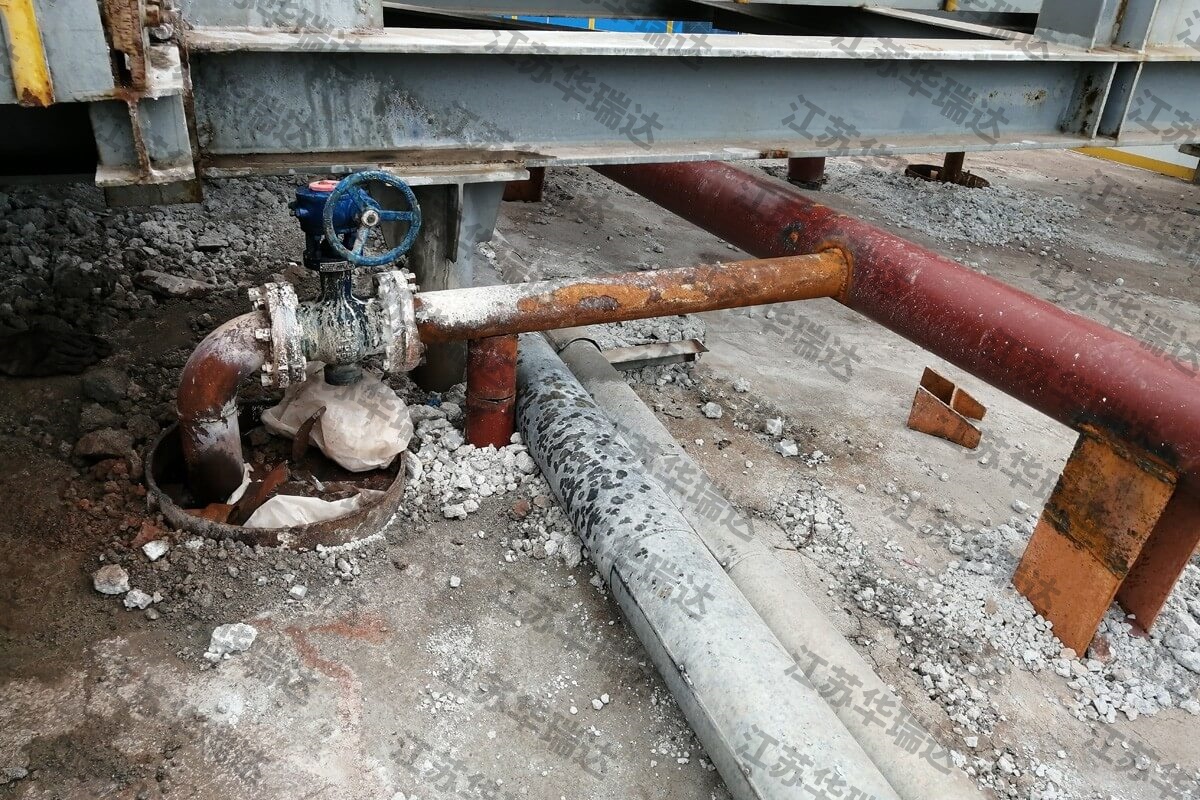
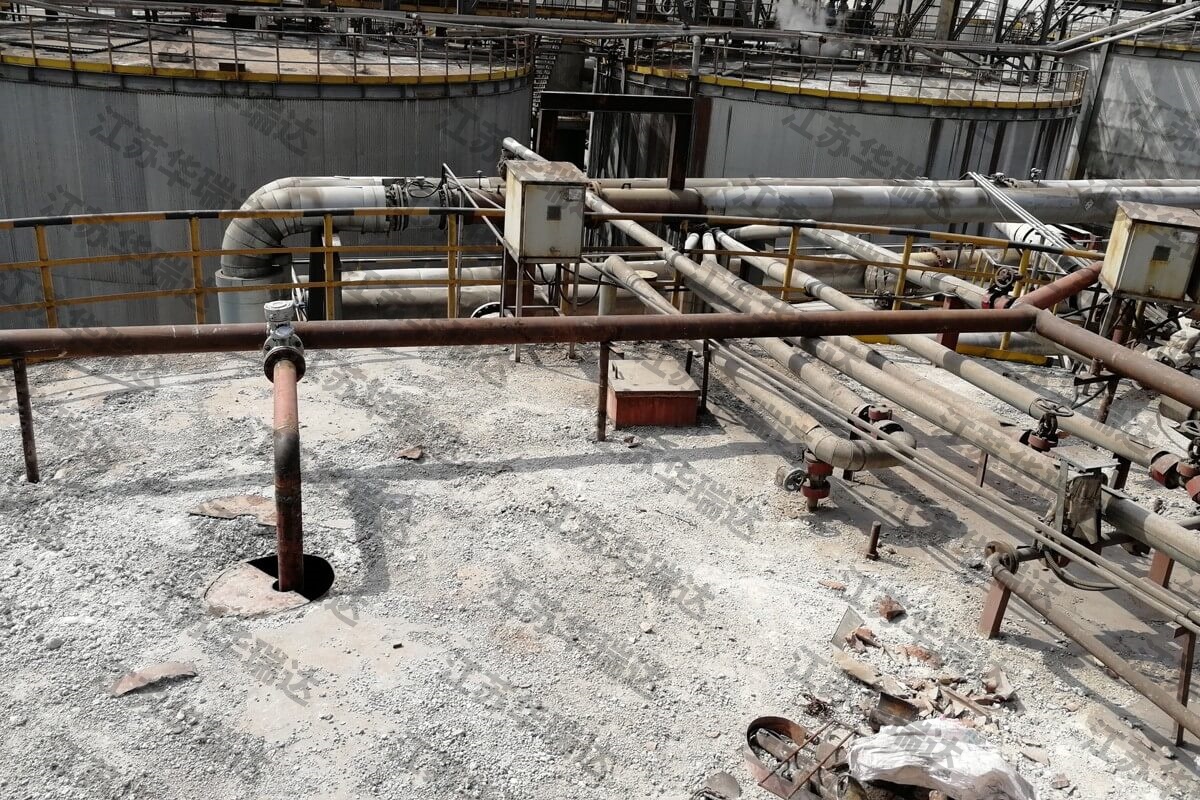
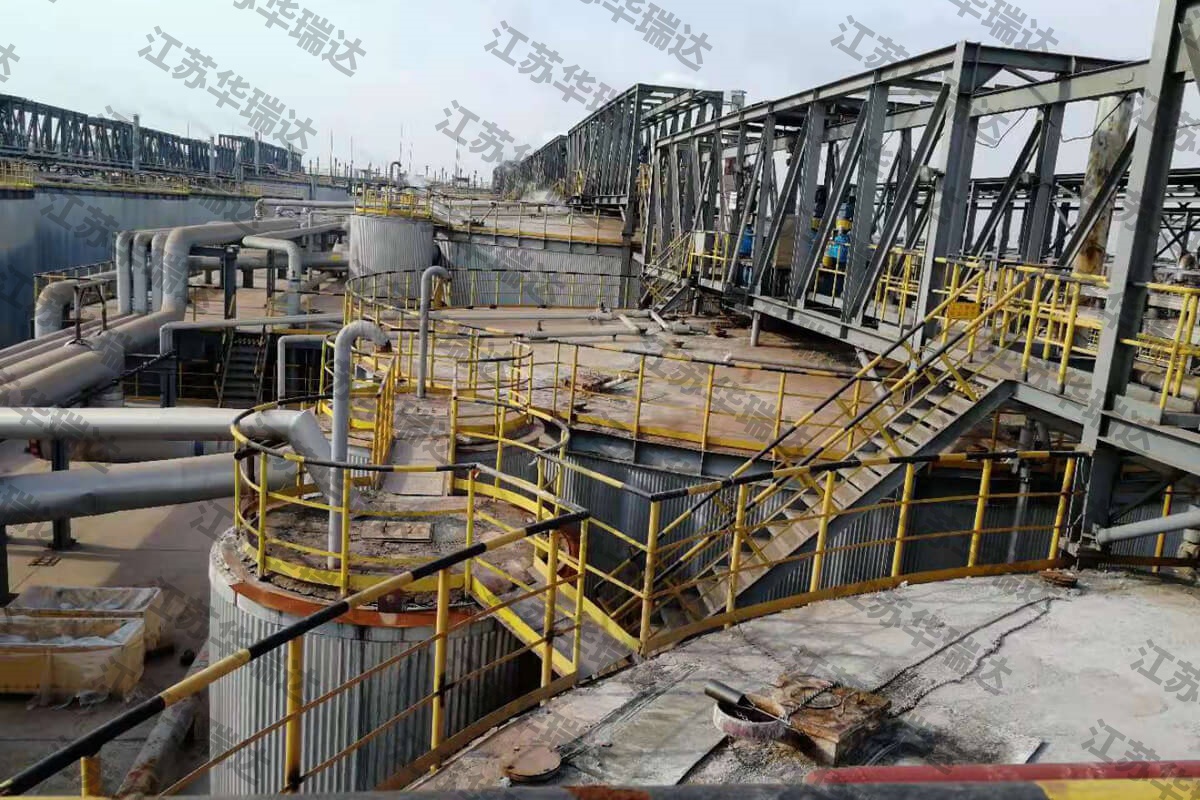
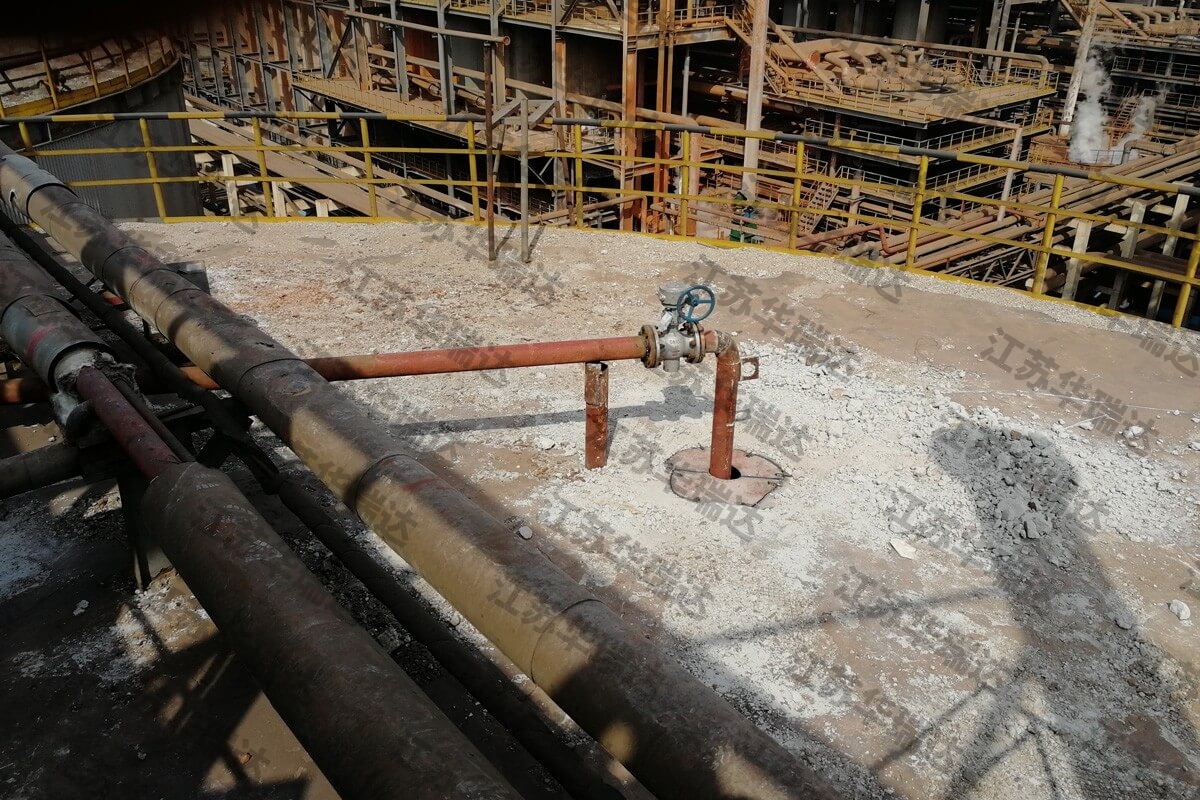
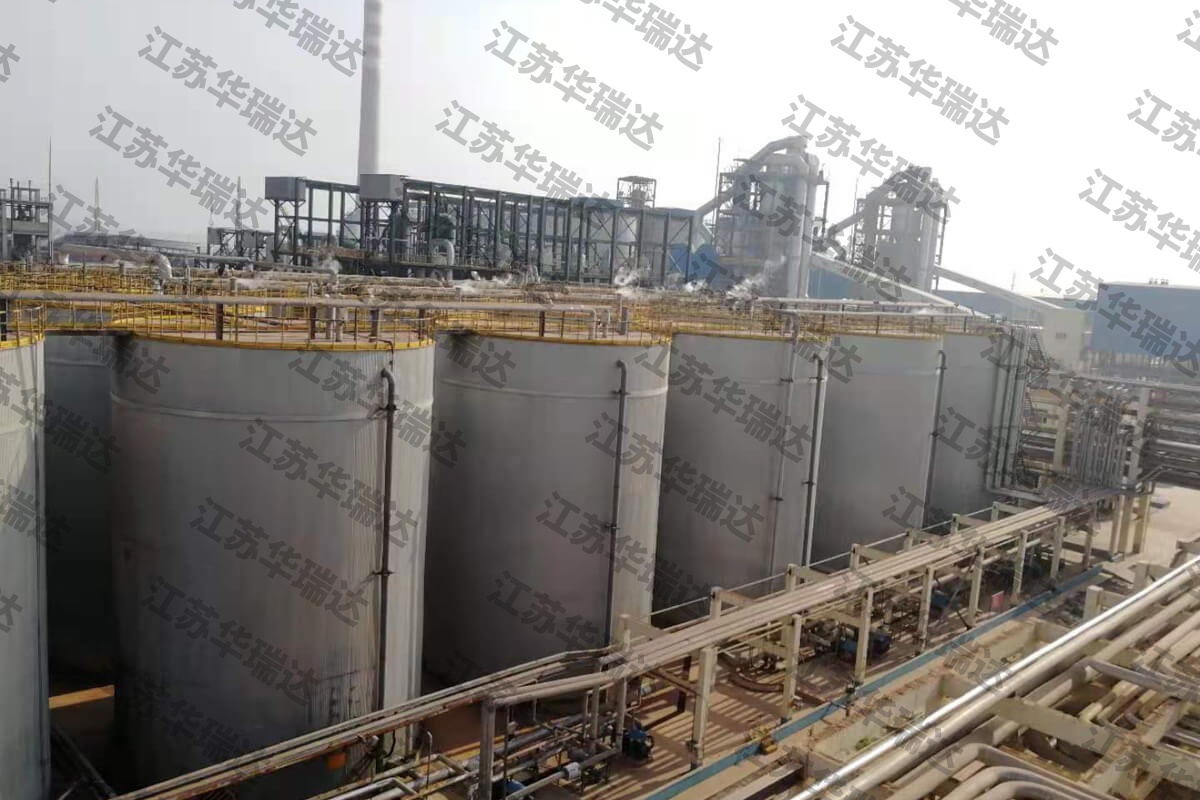
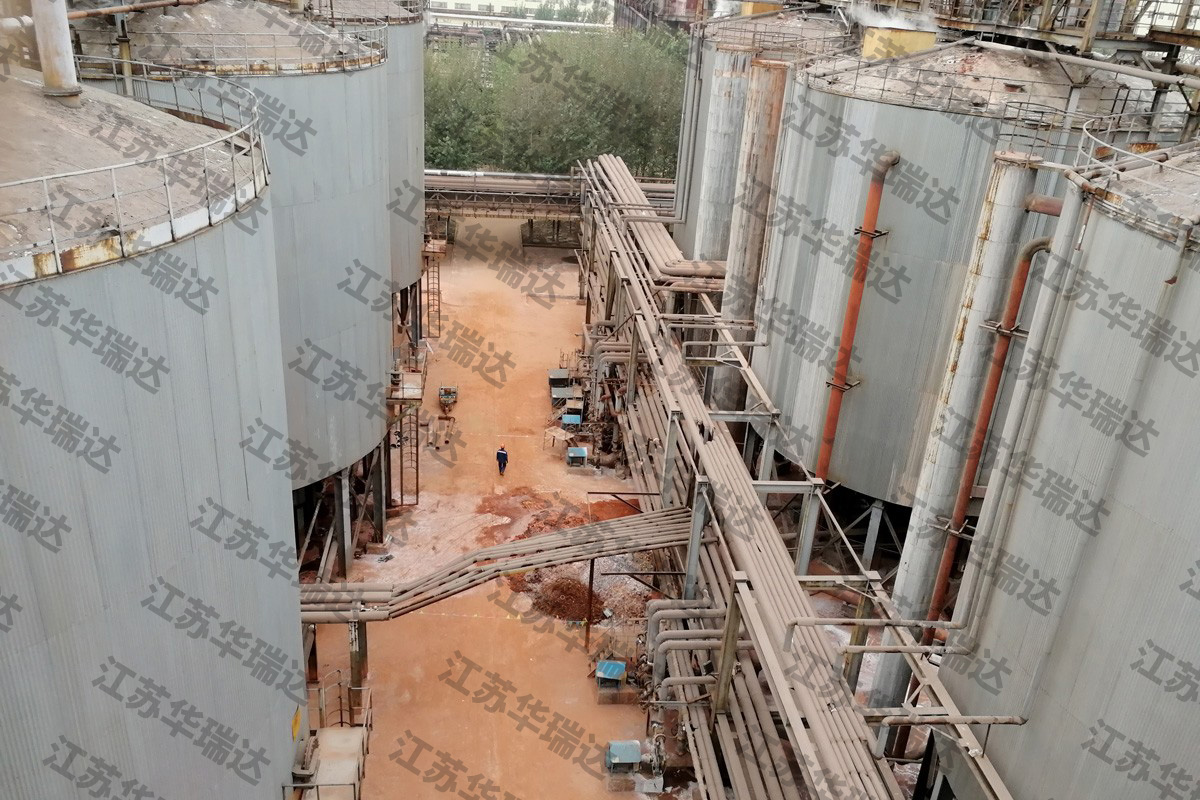
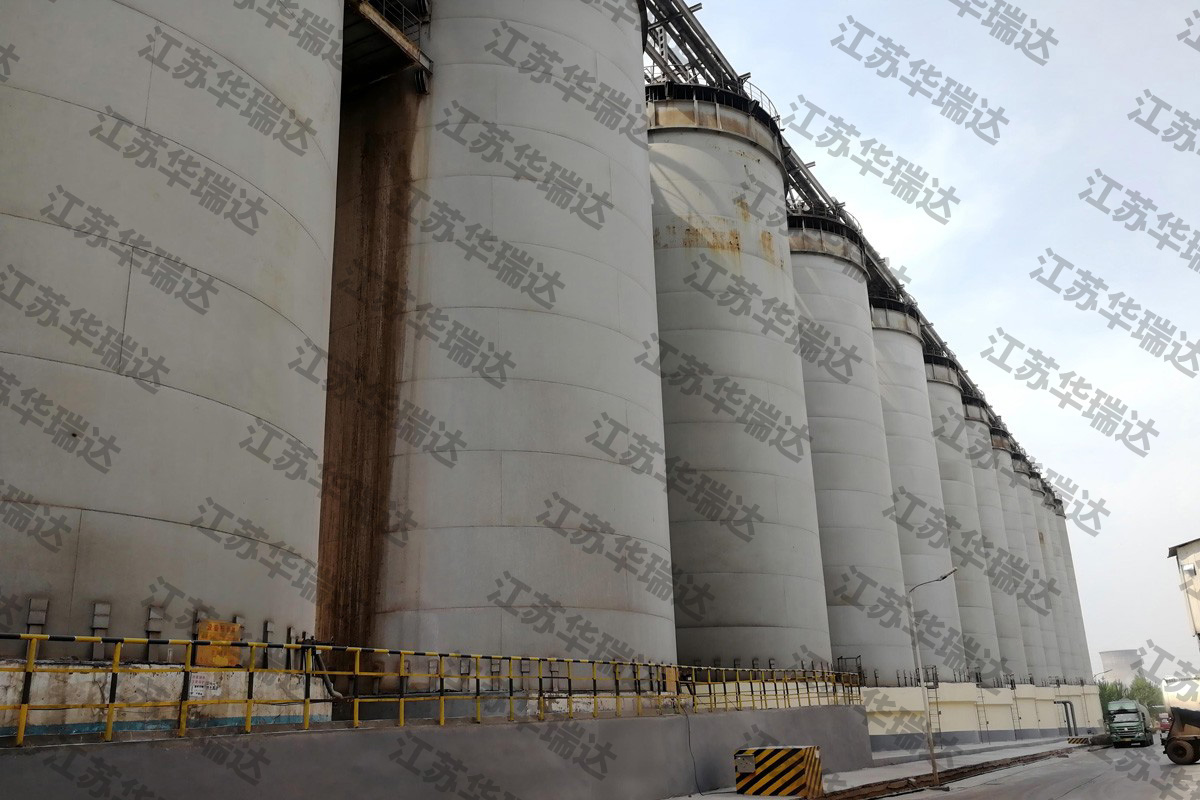
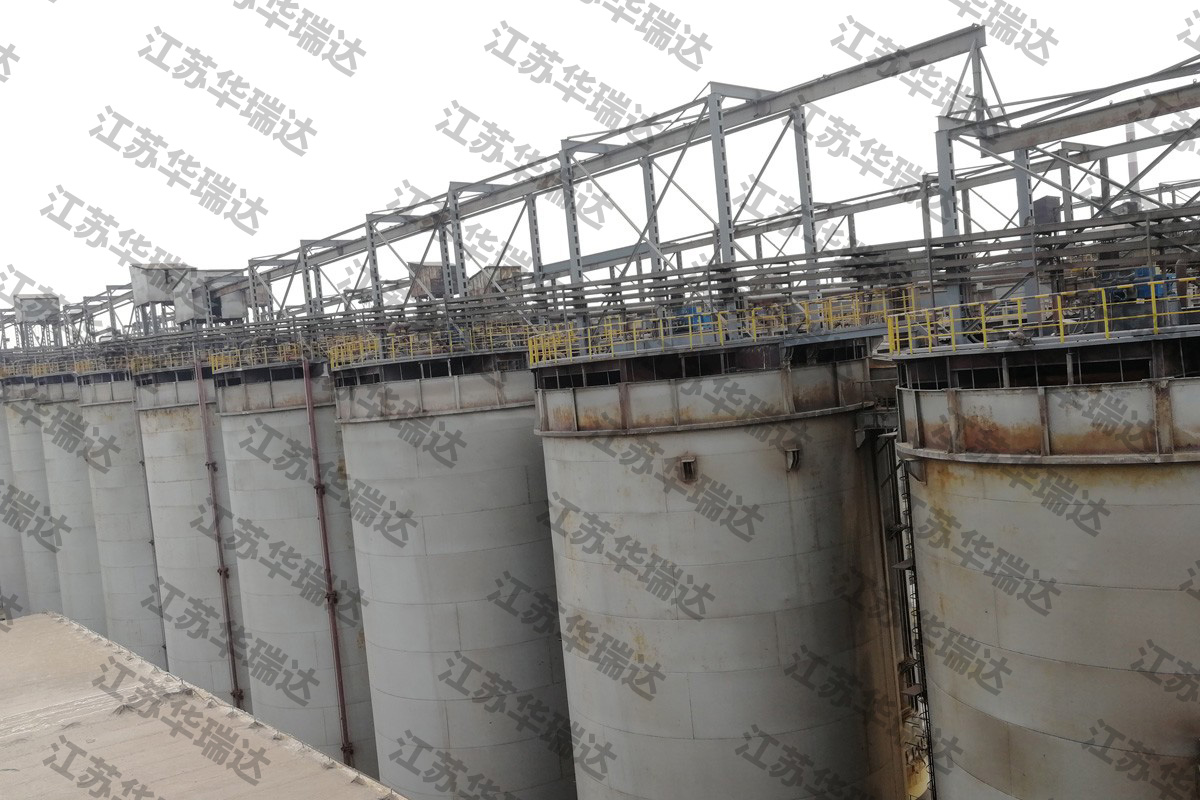
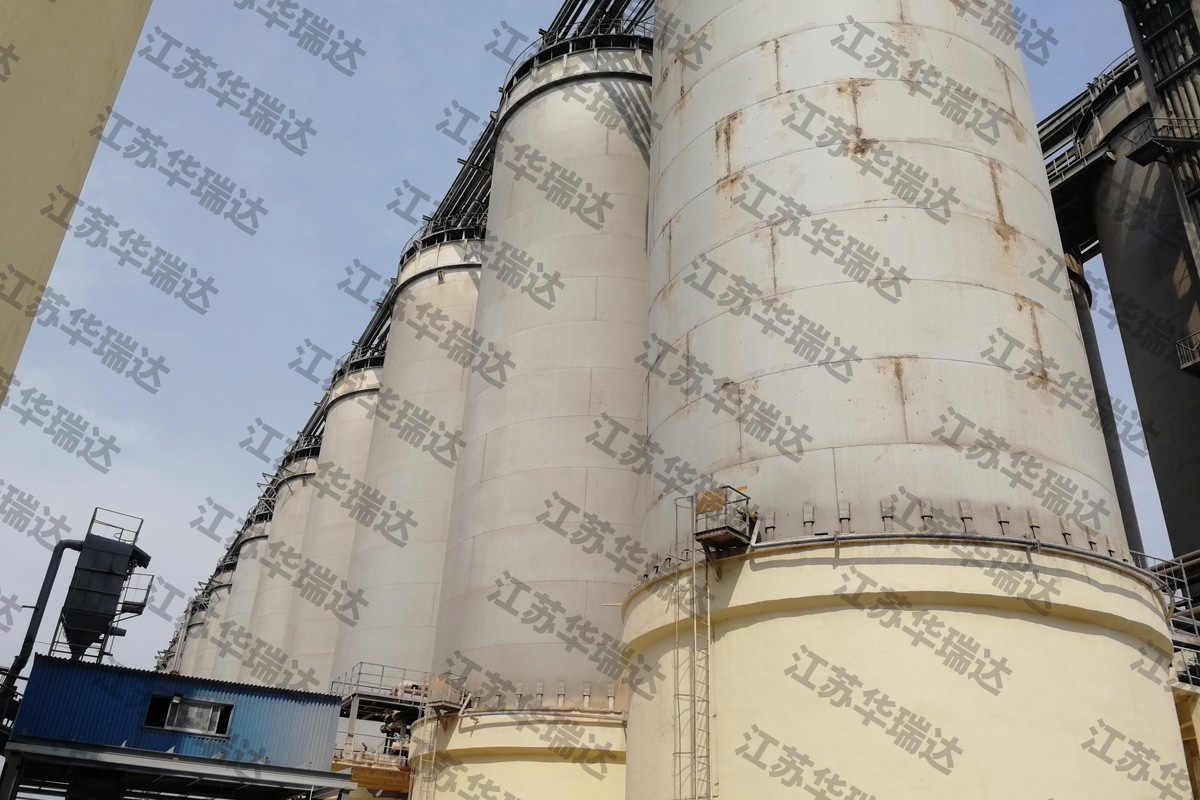
Covering petrochemical, vegetable oil and metallurgy tanks
Strategic Partners
Long-term cooperation with industry leaders such as Bunge China, COFCO oil and Yihai Kerry







Complete solutions for tank anti-sedimentation, blending and cleaning
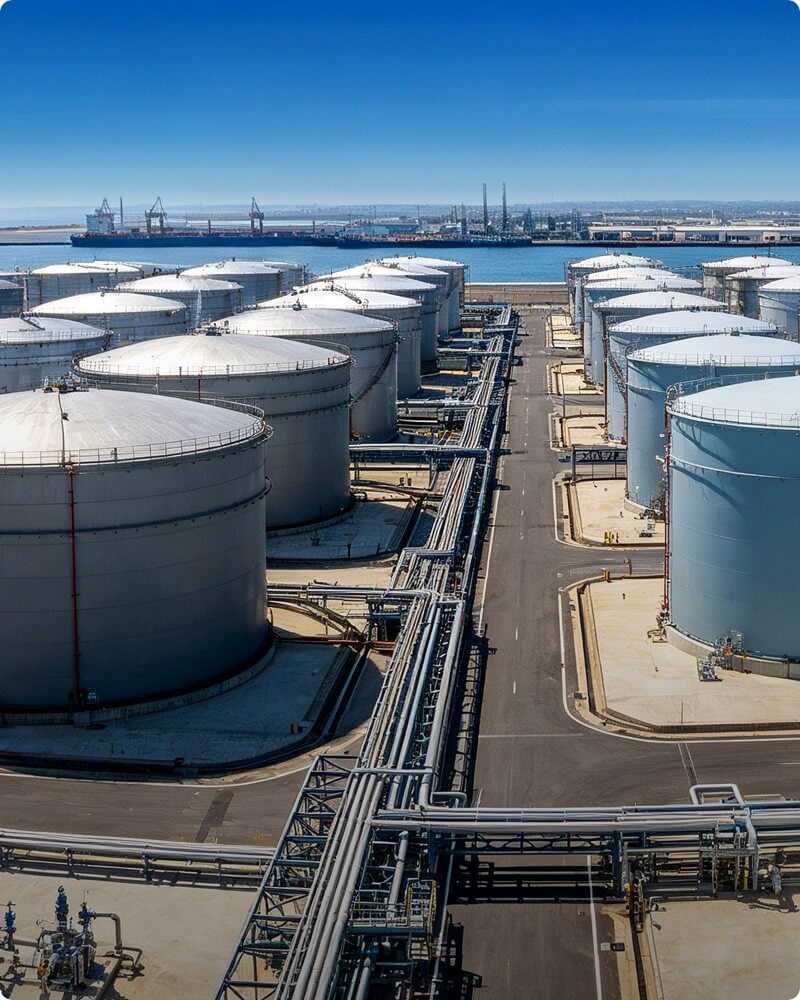
Jiangsu Huaruida Fluid is located in Changzhou, Jiangsu. We specialize in the R&D and production of rotary jet homogenization equipment for storage tanks, serving anti-sedimentation, media blending and in-tank cleaning applications across petrochemical, vegetable oil and alumina industries. Our products replace traditional side-entry agitators, are energy-saving and environmentally friendly, and eliminate frequent tank cleaning. The company has long served enterprises such as Sinopec, COFCO and Yihai Kerry, providing one-stop tank mixing and cleaning solutions.
Latest News
Loss science | Hazardous waste policy | Real retrofit cases
Get your industry-specific retrofit solution
Fill in your details and our engineers will calculate annual tank losses, match equipment and provide a payback estimate